
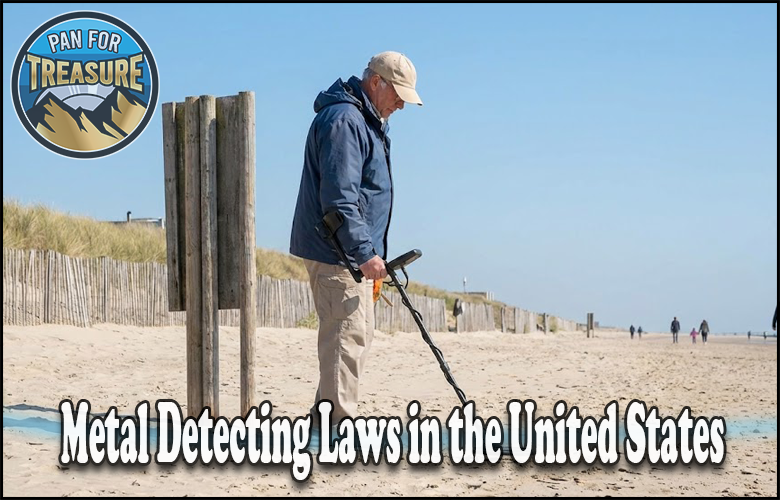
 Metal detecting laws in the United States create a complex legal framework that every treasure hunter must understand before heading out with their detector.
Whether you’re searching for modern finds, coins, relics, or hidden treasures, knowing where you can legally detect and what regulations apply can mean the difference between a successful hunt and serious legal trouble.
This complete directory breaks down federal regulations, state-specific laws, and local restrictions to help you stay legal while pursuing your metal detecting passion across America.
TL;DR – Metal Detecting Laws in the United States
- Federal prohibitions: National Parks, Monuments, and archaeological sites ban all metal detecting
- Generally allowed: BLM lands, most National Forests, many public beaches (with restrictions)
- State variations: Each state sets different rules for parks, beaches, and public lands
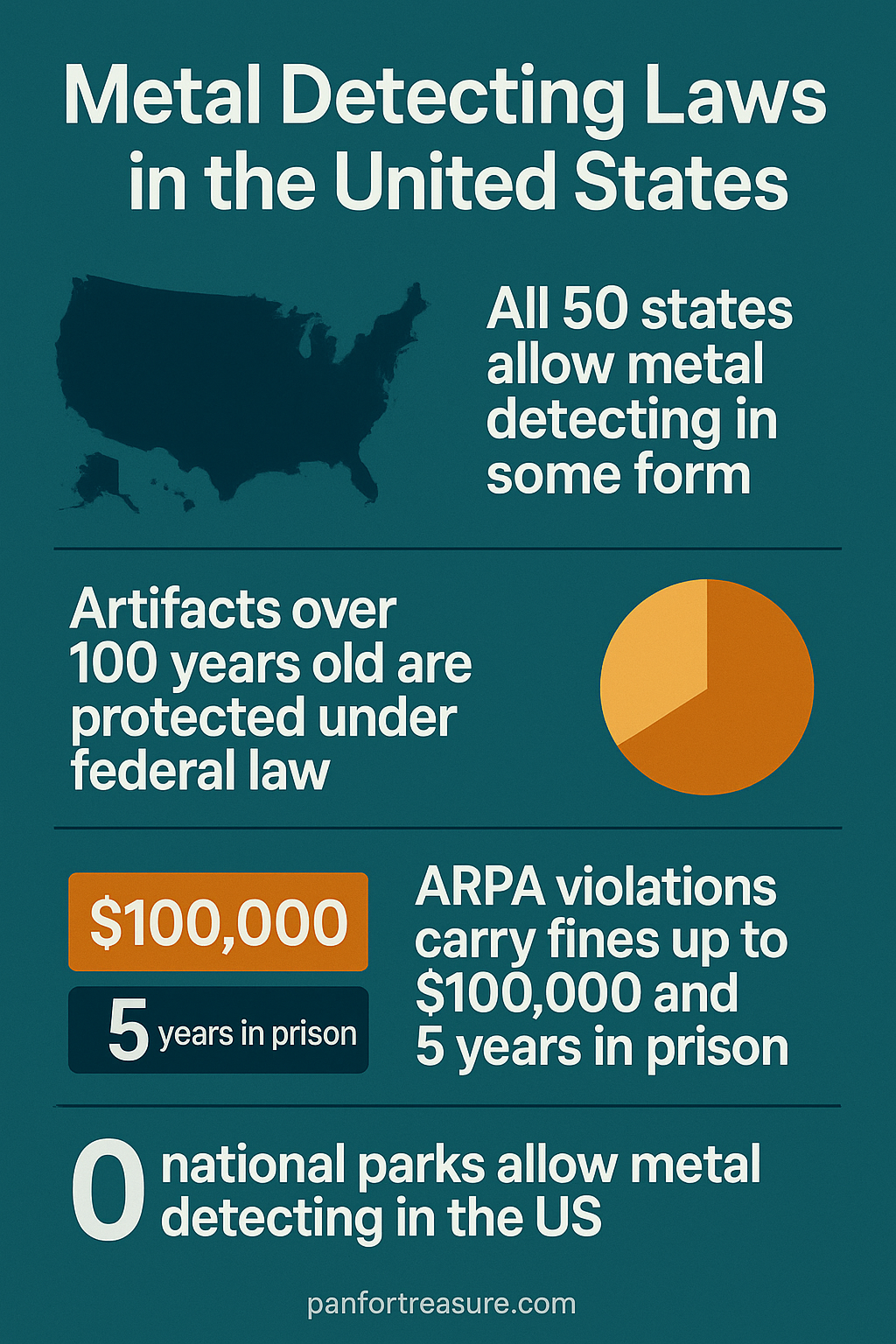
- ARPA protection: Items over 100 years old on public land are federally protected
- Private property: Always requires written landowner permission
- Permit requirements: Some states and parks require permits or have designated detecting areas
- Bottom line: Research before you detect – laws vary dramatically by location and land ownership
Complete Directory of Metal Detecting Laws in the United States
Metal detecting laws in the United States vary widely depending on land ownership, state regulations, and federal protections. Understanding the rules where you detect is essential for legal and successful treasure hunting.




Federal Metal Detecting Laws
Metal detecting on federal land is regulated by several agencies—each with its own rules and limitations. These laws apply nationwide and override any state regulations when you are on federal property.
Archaeological Resources Protection Act (ARPA)
ARPA protects archaeological resources that are over 100 years old. Removing, disturbing, or digging for historical artifacts on federal land without a permit is illegal and can carry severe penalties:
- Scope: Applies to all federal lands including National Forests, BLM areas, and military installations
- Age threshold: Items manufactured or created before 1924 are protected
- Penalties: Fines up to $100,000 and imprisonment for serious violations
- Surface finds: Even items found on the surface may be restricted depending on the land agency
Agency-Specific Federal Regulations
U.S. Forest Service Lands
- Metal detecting is generally allowed for casual, non-archaeological use on U.S. Forest Service lands
- Digging is permitted as long as you avoid cultural or historic locations
- Must restore any holes and minimize environmental impact
- Always check the rules for your specific national forest as some have district-level restrictions
- Wilderness areas within National Forests typically prohibit metal detecting
Bureau of Land Management (BLM)
- Most BLM land allows metal detecting as a recreational activity
- ARPA still applies, and removing historical artifacts is prohibited
- Some BLM sites contain mining claims where metal detecting may be limited
- Areas of Critical Environmental Concern (ACEC) may have additional restrictions
- Check for seasonal wildlife protections that may temporarily restrict access
National Parks and Protected Historic Areas
- Metal detecting is prohibited in all U.S. National Parks, National Monuments, and designated historic sites
- This includes beaches, trails, campgrounds, and parking areas inside the park boundary
- National Historic Sites and National Battlefields also prohibit detecting
- Violations can result in federal criminal charges and equipment confiscation
Military Installations and Government Property
- All active and former military bases prohibit unauthorized metal detecting
- Government buildings, post offices, and federal courthouses are off-limits
- Some decommissioned military sites may allow detecting with special permits
- Trespassing on military property can result in serious federal charges
State-Level Metal Detecting Regulations
Each state sets its own policies for metal detecting in state parks, wildlife management areas, beaches, and public spaces. While some states are very detector-friendly, others have strict rules, permit requirements, or location-specific bans.
Common State-Level Rules
- State parks may require permits or designate allowed areas
- Historic or archaeological sites are always off-limits
- Many states allow metal detecting on public beaches
- Digging tools may have size restrictions
- Recovered items may need to be reported
- Private land requires landowner permission
State Park Systems
- Permissive states: Allow detecting in most state parks with basic rules
- Permit-required states: Require advance permission or registration
- Restricted states: Allow detecting only in designated areas
- Prohibitive states: Ban metal detecting in state parks entirely
Beach and Shoreline Regulations
- High-tide line rules: Some states allow detecting only above the high-tide line
- Seasonal restrictions: Protecting nesting birds or turtle habitats
- Time limitations: Detecting hours may be restricted in some areas
- Equipment restrictions: Size limits on scoops and digging tools
Where Metal Detecting Is Generally Allowed
Public Lands with Detecting Access
- Beaches and shorelines (state-dependent and seasonal restrictions may apply)
- U.S. Forest Service lands (outside wilderness and historic areas)
- Most BLM-managed land (check for mining claims and environmental restrictions)
- Some state parks with permission or in designated areas
- City parks and recreational areas where not explicitly prohibited
- County fairgrounds and sports complexes (with permission)
Private Property Opportunities
- Residential properties with written homeowner permission
- Farmland and rural properties with landowner consent
- Private beaches and recreational areas with proper authorization
- Commercial properties with business owner permission
- Private campgrounds and RV parks with management approval
Where Metal Detecting Is Restricted or Prohibited
Federally Protected Areas
- National Parks and National Monuments – Complete prohibition
- National Historic Sites and Battlefields – Federally protected
- National Wildlife Refuges – Generally prohibited
- Designated archaeological sites – Protected under ARPA
- Native American burial grounds and sacred locations – Culturally and legally protected
State and Local Restrictions
- Designated protected historic areas – State-level archaeological protection
- Areas marked as “no digging” or “no metal detecting” – Posted restrictions
- School grounds and playgrounds – Safety and liability concerns
- Swimming beaches during peak season – Public safety restrictions
- Cemeteries and memorial sites – Respect and legal protection
Understanding Permit Requirements
When Permits Are Required
- State park detecting: Many states require advance registration or permits
- Beach detecting: Some coastal areas require seasonal permits
- Group detecting events: Organized hunts may need special permission
- Commercial detecting: Professional treasure hunting requires business permits
How to Obtain Permits
- Contact the managing agency: State parks, county offices, or land management agencies
- Submit applications in advance: Some permits require weeks of processing time
- Pay required fees: Permit costs vary from free to $100+ depending on location
- Follow permit conditions: Time limits, area restrictions, and reporting requirements
Legal Considerations for Found Items
Modern Items and Personal Property
- Recent jewelry and coins: Generally okay to keep if found on public land
- Lost personal items: Should be turned in to local authorities
- Valuable finds: May require reporting to police in some jurisdictions
- Property identification: Items with names or addresses should be returned
Historical and Archaeological Items
- Items over 100 years old: Protected under ARPA on federal land
- Native American artifacts: Protected under multiple federal laws
- Military items: May be protected regardless of age
- State antiquities: Some states protect items over 50 years old
Safety and Environmental Responsibilities
Digging and Recovery Ethics
- Fill all holes: Restore areas to original condition
- Pack out trash: Remove any debris encountered while detecting
- Respect vegetation: Avoid damaging roots and plant life
- Use appropriate tools: Proper scoops and recovery tools minimize impact
Personal Safety Considerations
- Weather awareness: Beach and desert detecting can be dangerous in extreme conditions
- Wildlife caution: Be aware of local wildlife and seasonal patterns
- Tool safety: Proper handling of sharp digging tools and equipment
- Solo detecting: Inform others of your plans when detecting alone
Tips for Staying Legal While Metal Detecting
Pre-Hunt Research
- Research land ownership before detecting using online mapping tools
- Contact managing agencies when unsure about regulations
- Check local ordinances for city and county-specific rules
- Verify current regulations as laws change frequently
In the Field
- Carry permission slips for private land detecting
- Avoid digging near foundations, ruins, or historic structures
- Follow posted signs and park ranger instructions
- Practice “leave no trace” digging and recovery methods
- Report any found artifacts that may have historical value
Documentation and Records
- Keep permits accessible: Carry required documentation while detecting
- Photo documentation: Record find locations and recovery methods
- Contact information: Maintain records of landowner permissions
- Find logs: Document what you find and where for legal protection
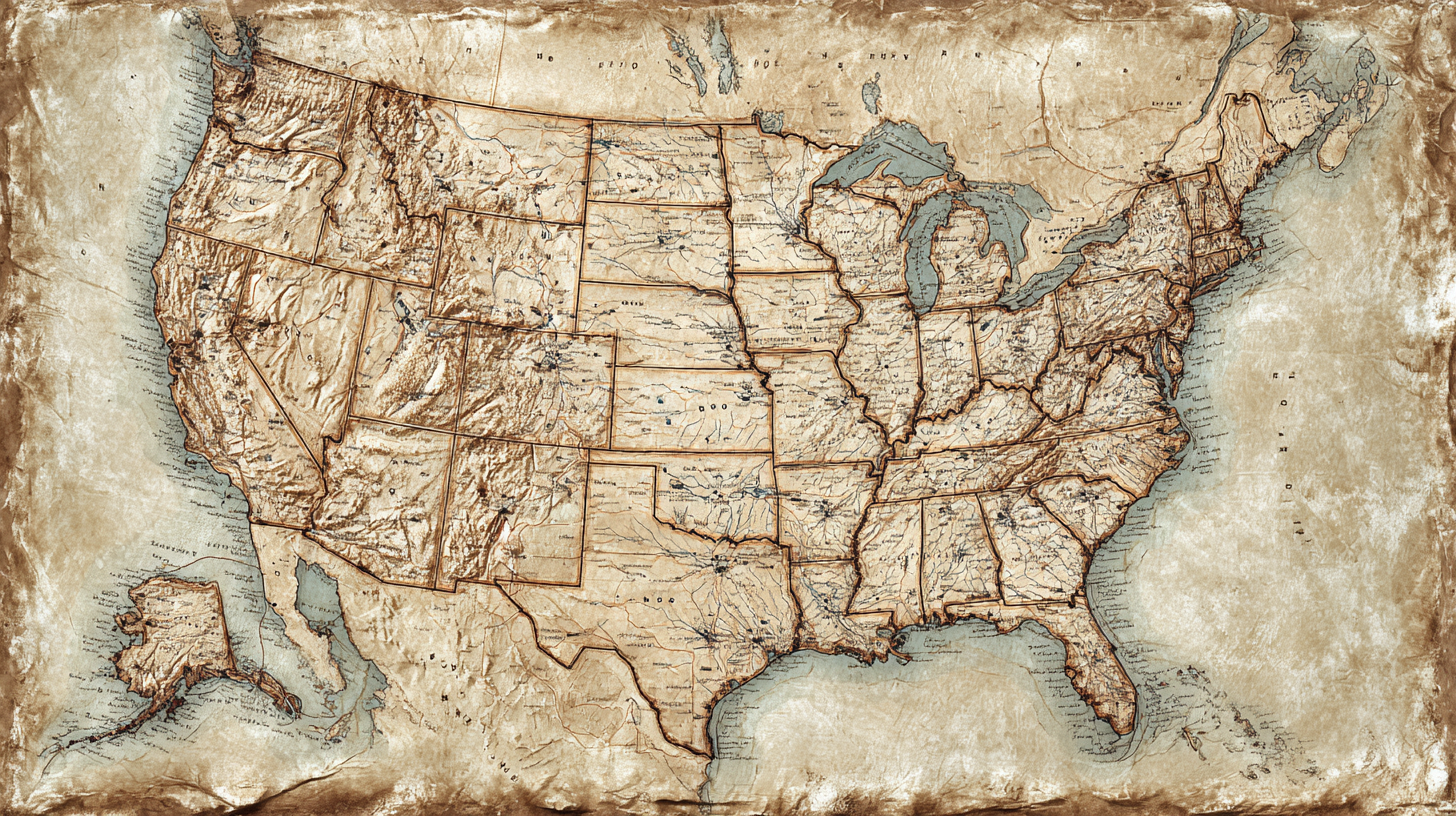
State-by-State Metal Detecting Laws
Use the comprehensive state guides below to access detailed metal detecting laws for each U.S. state. These guides include state park regulations, beach rules, digging restrictions, and land ownership considerations.
Browse all state law guides:
Enforcement and Penalties
Common Violations and Penalties
- Detecting in National Parks: Federal misdemeanor, fines up to $5,000, equipment confiscation
- ARPA violations: Felony charges possible, fines up to $100,000, imprisonment
- Trespassing: State-level charges, fines, and potential civil liability
- Permit violations: Warnings, fines, or detecting privilege suspension
Law Enforcement Agencies
- Park rangers: Enforce regulations in state and federal parks
- BLM rangers: Patrol BLM lands and enforce federal regulations
- Local police: Handle trespassing and municipal violations
- Archaeological investigators: Handle serious ARPA violations
Frequently Asked Questions
Do I need a permit to metal detect?
Some states and parks require a permit, especially for digging or detecting in designated areas. Always check local rules before detecting.
Can I keep what I find?
Modern items are usually allowed to be kept, but historical artifacts on public land may be protected under ARPA and must be reported.
Is metal detecting allowed in state parks?
Rules vary by state. Some allow metal detecting freely, others require a permit, and some restrict detecting to specific beaches or zones.
Is metal detecting legal on beaches?
Many public beaches allow metal detecting, but some states have exceptions or seasonal restrictions. Always verify local rules.
Can I metal detect in national forests?
Usually yes, as long as you avoid archaeological or historic locations and follow “casual use” guidelines.
Can I metal detect in National Parks?
No. Metal detecting is prohibited in all National Parks and National Monuments.
Conclusion
Understanding metal detecting laws in the United States is essential for anyone serious about treasure hunting and relic recovery.
While the legal landscape can seem complex, most areas do provide opportunities for legal detecting when you understand the regulations and obtain proper permissions. The key is thorough research before you detect, respect for historical and archaeological resources, and adherence to environmental protection principles.
Metal detecting laws in the United States continue to evolve as lawmakers balance recreational access with historical preservation and environmental protection. By staying informed about current regulations, practicing ethical detecting methods, and respecting all posted restrictions, you can enjoy this rewarding hobby while contributing to the responsible preservation of our cultural and natural heritage.
Sources and References
- National Park Service – Regulations and Policies
- U.S. Forest Service – Recreation and Special Use Regulations
- Bureau of Land Management – Recreation and Cultural Resources
- U.S. Department of Justice – Archaeological Resources Protection Act
- U.S. Department of the Interior – Cultural Resources and Archaeology
- U.S. Fish and Wildlife Service – National Wildlife Refuge Regulations
Information verified as of February 2026. Federal and state regulations subject to change.
Subscribe to Our Newsletter