
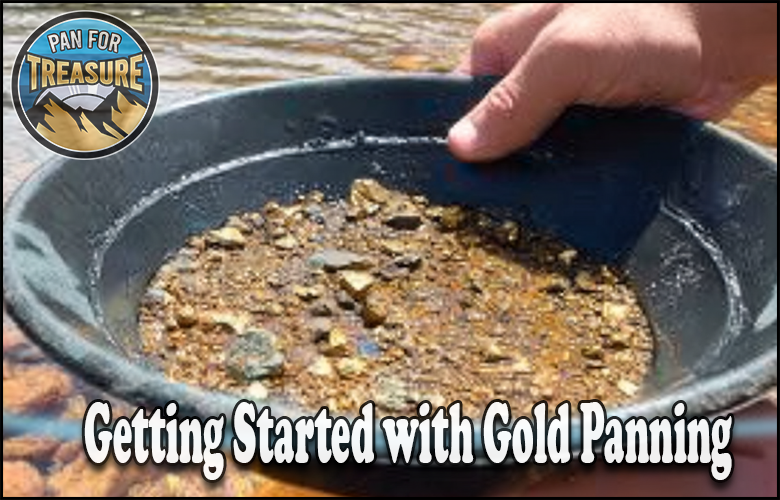
Getting started with gold panning is one of the most rewarding outdoor adventures you can begin, combining the thrill of treasure hunting with the peace of spending time in nature.
Whether you’re completely new to prospecting or looking to improve your technique, having the right foundation makes the difference between finding gold on your first trip and going home empty-handed.
This complete resource directory brings together everything beginners need to know about getting started with gold panning, from choosing your first pan to understanding state laws and finding productive locations.
TL;DR – Getting Started with Gold Panning
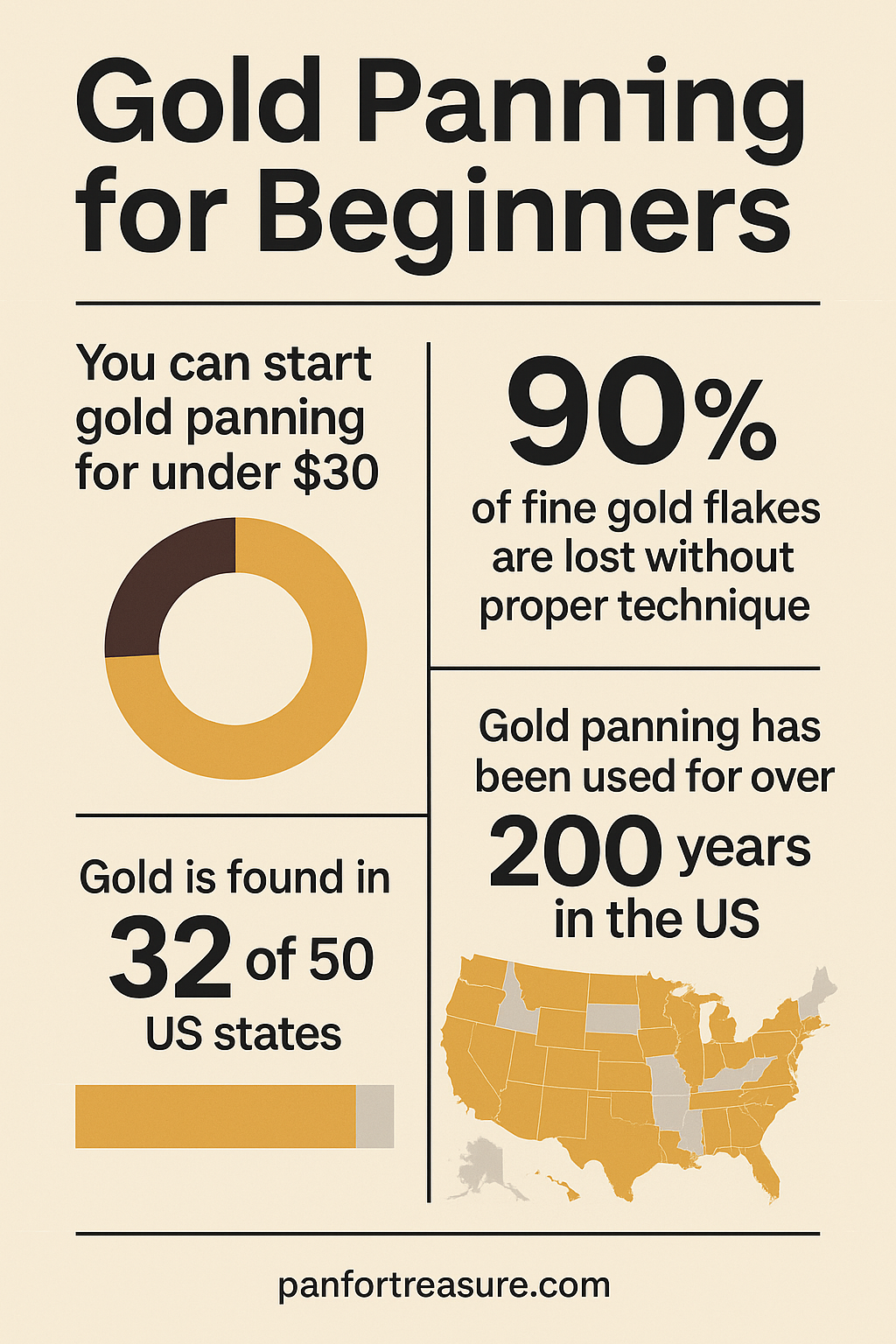
- Essential gear: 14-inch steel pan, classifier, small shovel, and snuffer bottle (under $50 total)
- Best beginner locations: California’s American River, Colorado’s Clear Creek, Arizona’s Lynx Creek
- Legal requirements: Check state laws first – most allow recreational panning on public land without permits
- Realistic expectations: Fine gold flakes are common, nuggets are rare but possible
- Learning curve: Basic technique takes 1-2 trips, proficiency develops over months
- Safety first: Tell someone your plans, check weather, bring first aid kit
- Bottom line: Start simple, focus on technique before investing in expensive equipment
Complete Directory for Getting Started with Gold Panning
Gold panning is one of the most accessible outdoor hobbies you can pick up. All you need is a pan, a creek, and a basic understanding of where gold settles in moving water. Work through these guides in order or jump straight to the topic you need.
Learn the Basics
Master the fundamental techniques and knowledge every successful gold panner needs before heading to the creek.
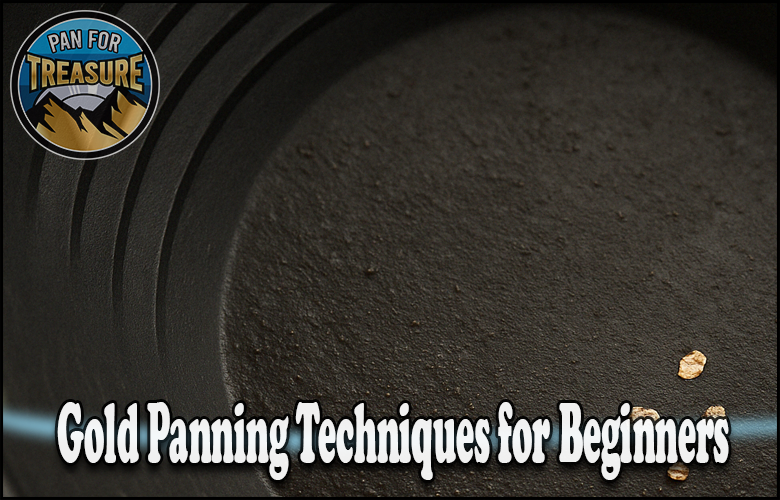
- Gold Panning Techniques for Beginners
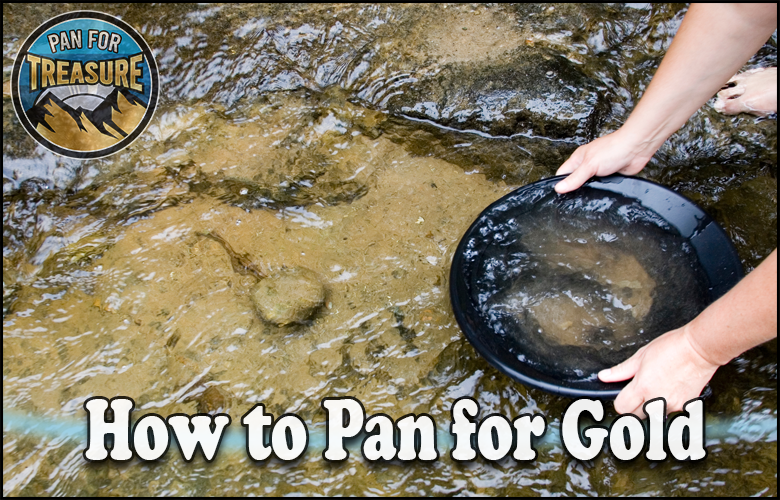
- How to Pan for Gold
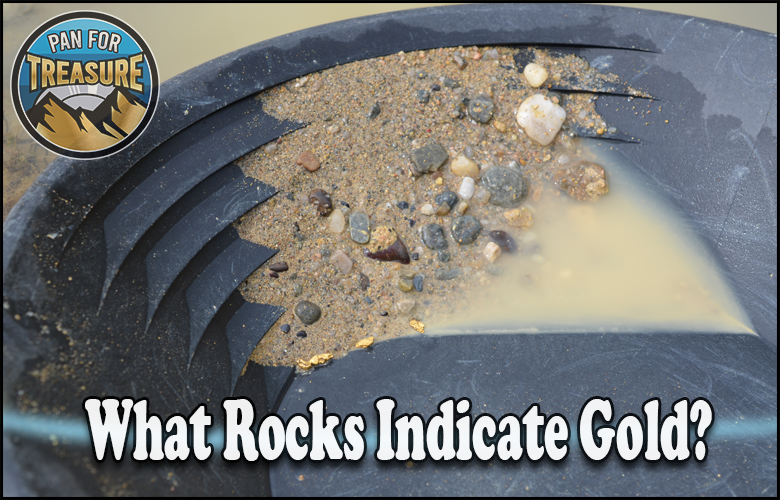
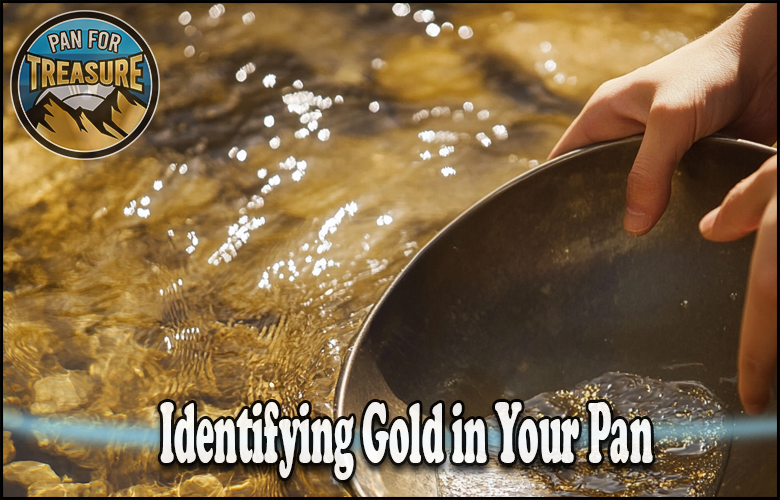
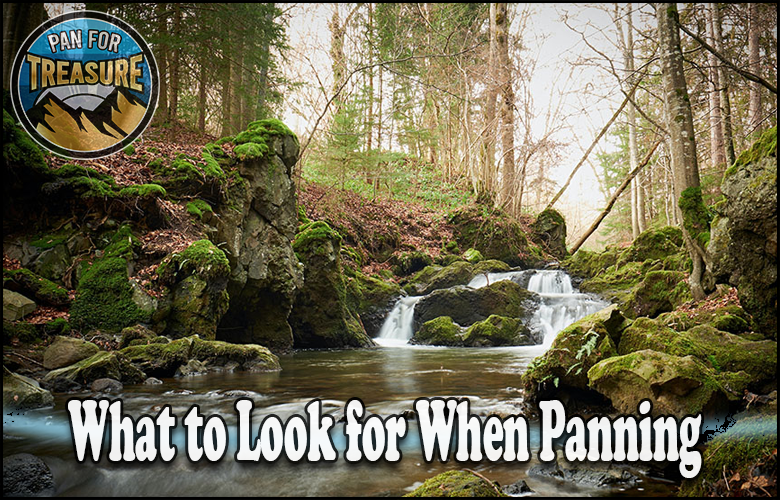
- What to Look for When Panning for Gold
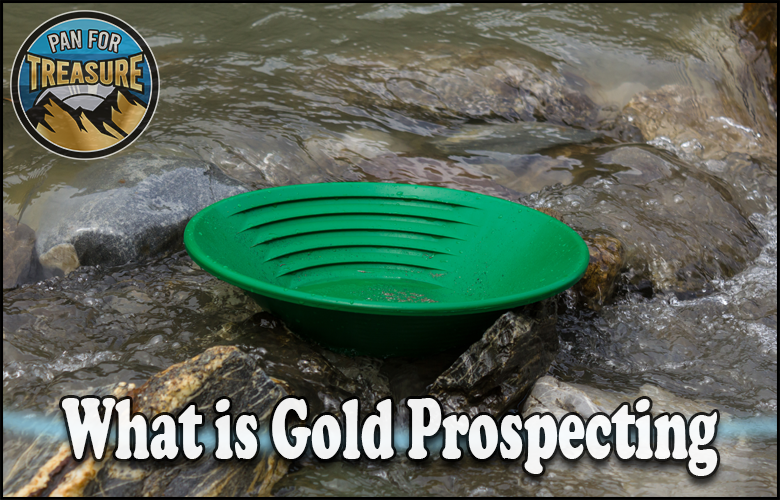
- What is Gold Prospecting?
Choose Where to Go
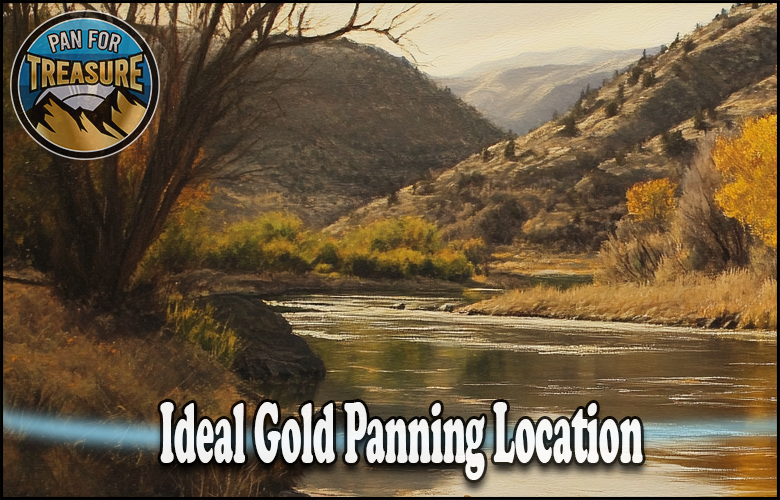
Location selection is crucial for success. Learn how to identify productive areas and understand access requirements.
Get Your Gear
Start with essential equipment that won’t break the bank. Quality basics will serve you better than expensive gadgets you don’t understand yet.
Beginner Equipment Checklist
Essential Items ($40-60 total)
- 14-inch steel gold pan – Easier to learn with than smaller pans
- 1/4-inch classifier – Removes rocks and speeds up panning
- Small folding shovel – For moving gravel into your pan
- Snuffer bottle – For picking up fine gold flakes
- Small vial – To store your gold finds
Helpful Additions ($20-40)
- Magnifying glass – For identifying small gold pieces
- Tweezers – For handling larger flakes and nuggets
- 5-gallon bucket – For carrying water and equipment
- Kneepads – Creek beds are hard on knees
Understand the Laws
Before you head out, make sure you know the rules. Gold panning laws vary by state – some allow recreational panning on public land with no permit, while others have strict restrictions.
Legal Basics for Beginners
Generally Allowed
- Hand panning on most public lands (BLM, Forest Service)
- Using basic hand tools (pan, shovel, classifier)
- Keeping small amounts for personal use
- Recreational panning in designated areas
Usually Prohibited
- Panning in National Parks and Monuments
- Disturbing active mining claims
- Using motorized equipment without permits
- Commercial-scale operations without licensing
Your First Gold Panning Trip
Pre-Trip Planning
- Research your location – Verify public access and current regulations
- Check weather conditions – Avoid flooded or dangerous water levels
- Tell someone your plans – Share location and expected return time
- Pack safety essentials – First aid kit, extra water, emergency contact info
What to Expect
- Learning curve: First trip is about technique, not finding lots of gold
- Physical demands: Expect to be on your knees, bending, and lifting
- Time commitment: Plan 3-4 hours minimum for meaningful practice
- Weather factors: Creek conditions change rapidly with rain or snowmelt
Reading Creek Conditions
Look for These Geological Features
- Inside bends of rivers: Where heavy materials settle
- Behind large boulders: Natural gold traps in the current
- Cracks and crevices in bedrock: Where gold gets stuck
- Black sand deposits: Often associated with gold concentrations
- Changes in creek gradient: Where fast water slows and drops heavy materials
Avoid These Areas
- Straight sections with fast, even flow
- Areas with only large cobbles and no fine material
- Locations downstream from recent construction or mining
- Spots that look “too clean” or artificially disturbed
Basic Panning Technique
Step-by-Step Process
- Fill your pan 2/3 full with gravel from a promising location
- Submerge completely and shake underwater to break up clay
- Pick out large rocks by hand, checking for attached gold
- Keep pan underwater and use circular motion to wash material
- Tilt pan away from you and let lighter material wash out
- Repeat washing and tilting until only heavy concentrates remain
- Add small amount of water and use gentle swirling motion
- Check for gold in remaining black sand and heavy materials
Signs You’re Doing It Right
- Black sand concentrates in the bottom of your pan
- You can see distinct layers of different materials
- The pan gets noticeably lighter as you wash
- Heavy materials stay while lighter ones wash away
Avoid Common Mistakes
Learn from others’ experiences and avoid the most common beginner errors that can cost you gold.
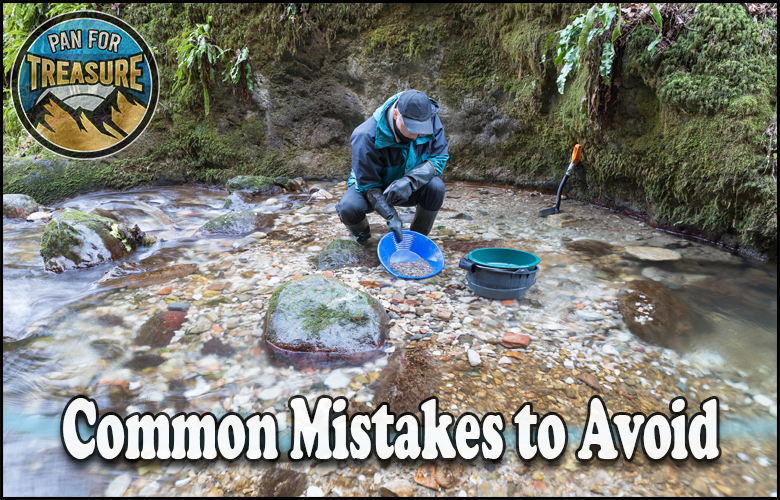
- Common Mistakes to Avoid in Your Early Gold Panning Adventures
- Safety First: Important Precautions for Novice Prospectors
Top 5 Beginner Mistakes
- Panning too aggressively: Washing gold right out of the pan
- Not checking large rocks: Gold often sticks to cobbles
- Giving up too quickly: Takes practice to develop proper rhythm
- Ignoring black sand: Often contains fine gold particles
- Poor location choice: Spending time in unproductive areas
Set Realistic Expectations
Understanding what’s actually possible helps you stay motivated and make informed decisions about time and equipment investments.
What Beginners Typically Find
- First few trips: Fine gold flakes, “color” in the pan
- After gaining experience: Consistent small amounts, occasional small nuggets
- Long-term recreational panning: 1-5 grams per year is typical
- Exceptional finds: Larger nuggets are rare but do happen
Value Beyond Gold
- Outdoor recreation: Time in beautiful natural settings
- Historical connection: Following in the footsteps of gold rush pioneers
- Family activity: Something unique to do with kids and grandparents
- Exercise: Physical activity with a purpose
- Community: Local prospecting clubs and fellow enthusiasts
Safety Considerations
Water Safety
- Never turn your back on water: Flash floods can occur without warning
- Test water depth carefully: Holes and drop-offs may be hidden
- Wear appropriate footwear: Creek beds are slippery and uneven
- Bring a friend when possible: Never pan alone in remote areas
Weather and Environmental Hazards
- Check upstream weather: Rain miles away can cause flooding
- Sun protection: Reflections off water increase UV exposure
- Hypothermia risk: Cold water and wind can quickly drop body temperature
- Wildlife awareness: Know what animals are common in your area
Building Your Skills
Practice Makes Perfect
- Start at home: Practice panning technique with lead shot in a tub
- Join a club: Local prospecting groups offer mentorship and group trips
- Take a class: Many outdoor stores offer gold panning workshops
- Visit commercial operations: Pay-to-dig locations guarantee you’ll find some gold
Advancing Your Knowledge
- Study geology: Understanding rock formations helps predict gold locations
- Learn local history: Old mining records reveal productive areas
- Upgrade equipment gradually: Add tools as you understand their purpose
- Keep detailed records: Track locations, conditions, and results
Frequently Asked Questions
How much gold can a beginner expect to find?
Most beginners find small flakes and “color” in their pan rather than nuggets. In productive areas with good technique, finding 0.1 to 0.5 grams of fine gold per day is realistic for recreational panning.
What’s the best time of year to start gold panning?
Late spring through early fall offers the best conditions for beginners. Water levels are typically lower and more stable, weather is pleasant, and creek access is easier than during winter months.
Do I need expensive equipment to get started with gold panning?
No, basic equipment costs under $60. A steel pan, classifier, small shovel, and snuffer bottle are sufficient to start. Advanced equipment is helpful but not necessary for learning fundamental techniques.
Is gold panning legal everywhere?
No, regulations vary significantly by location. Most public lands allow recreational panning, but National Parks prohibit it entirely. Always research local laws and respect private property and active mining claims.
How long does it take to learn proper panning technique?
Basic technique can be learned in one trip with proper instruction. Developing efficiency and consistently recovering fine gold takes several outings and regular practice over a few months.
What should I do if I find a large nugget?
Document the find with photos, note the exact location, and research local regulations about reporting finds. Large nuggets may have historical or scientific value beyond their gold content.
Regional Considerations
Western States (California, Nevada, Colorado, Arizona)
- Best opportunities: Extensive public land access and documented gold deposits
- Seasonal factors: High elevation areas inaccessible in winter
- Special considerations: Desert areas require extra water and sun protection
Eastern States
- Different geology: Smaller amounts but still present in many areas
- Access challenges: More private land, fewer designated public areas
- Historical significance: Early gold discoveries in Georgia, North Carolina, Virginia
Alaska
- Exceptional potential: Some of the richest deposits in North America
- Extreme conditions: Short season, remote locations, harsh weather
- Advanced planning required: Not recommended for absolute beginners
Ready to Go Deeper?
Once you’ve mastered the basics of getting started with gold panning, explore our detailed guides on advanced tips and techniques, specialized tools and equipment, and the best places to pan for gold in America.
Getting started with gold panning opens the door to a lifetime of outdoor adventure, historical exploration, and the eternal possibility of striking it rich. With proper preparation, realistic expectations, and respect for the environment and regulations, you’ll join a community of prospectors who understand that the real treasure is often the journey itself.
Sources and References
- United States Geological Survey – Mineral Resources and Gold Information
- Bureau of Land Management – Recreation and Mining Guidelines
- U.S. Forest Service – Prospecting and Mineral Collection Policies
- Environmental Protection Agency – Water Quality and Mining Regulations
- Centers for Disease Control – Outdoor Safety and Health Information
- American Red Cross – Wilderness and Water Safety Guidelines
Information verified as of February 2026. Regulations and safety guidelines subject to change.
Subscribe to Our Newsletter