Pan for Treasure – Unleash Your Inner Prospector!
Pan for Treasure is an educational gold panning resource created by Ryan Conlon in Minneapolis, MN. We cover gold panning laws in all 50 states, the best prospecting locations – from California’s Mother Lode to the Black Hills of South Dakota – and beginner-friendly guides to techniques, equipment from trusted brands like Garrett and Keene Engineering, and the gemstones and minerals you’ll find alongside gold in your pan.
Gold Prospecting Laws by State


Explore Gold Panning Laws in Your State
Make sure you understand the local rules and regulations before you begin gold panning in any area.
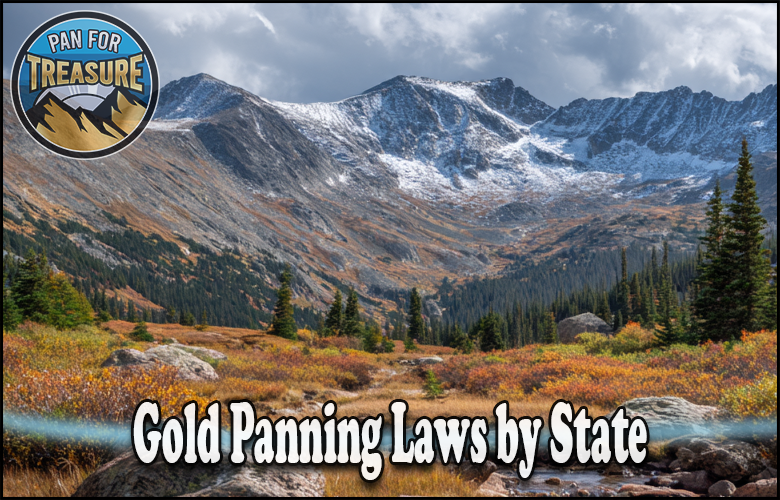
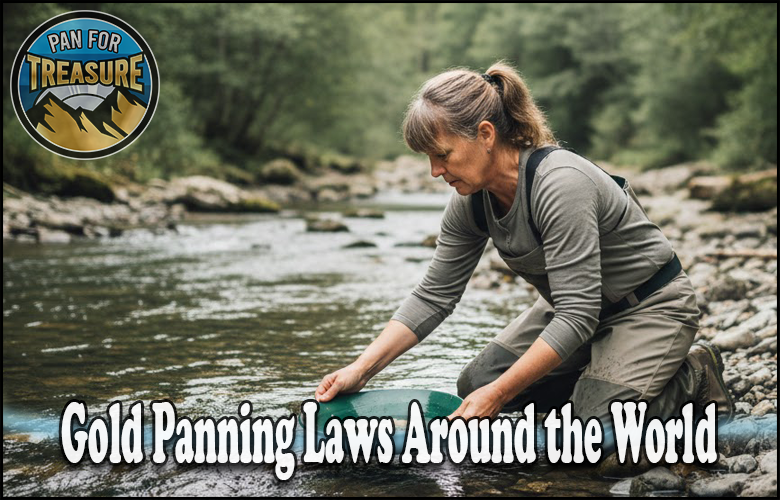
Regulations vary across the country – some states allow recreational panning in public areas, while others may require permits or limit how much you can collect. Federal agencies like the Bureau of Land Management (BLM) and the U.S. Forest Service manage most of the public land where recreational panning is allowed, while the National Park Service prohibits gold panning in all national parks and monuments.
Our state-by-state guides outline the key laws to help you stay informed and avoid any legal issues while prospecting.
Is There Gold in Your State?
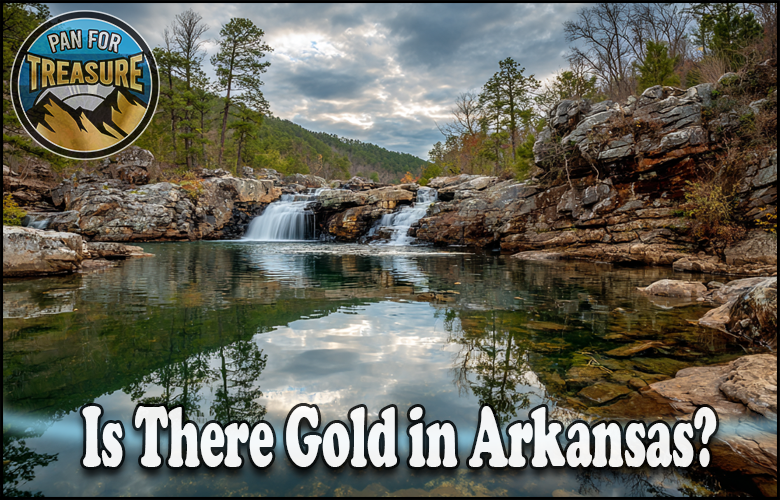
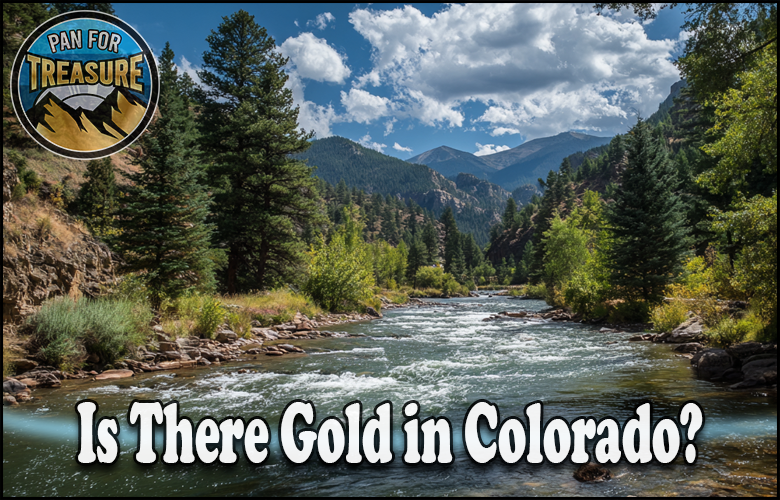
Explore the Best States to Pan for Gold
Curious about where to start your treasure-hunting journey? Look no further!
We’ve scoured the nation to bring you a comprehensive list of the best states to pan for gold.
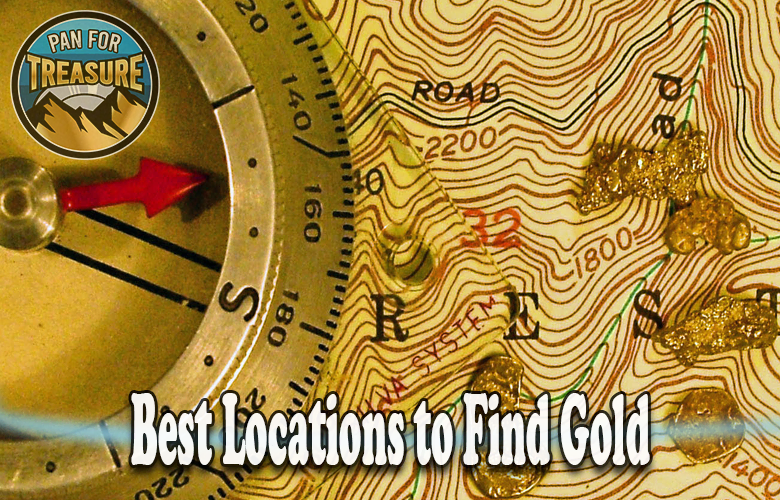
From Colorado’s historic mining towns like Central City and Gold Hill to California’s American River and Nevada County, the Black Hills of South Dakota, and North Carolina’s historic Reed Gold Mine – the site of the first documented gold find in the United States – there’s no shortage of places where gold is still waiting to be discovered.
Beyond gold, many panning locations also produce gemstones and minerals – especially in North Carolina, Montana, and Colorado:
Quartz
Topaz
Amethyst
Sapphire
Citrine & Agate
For a detailed breakdown of specific gold rush sites across the country, visit our Gold Rush Hotspots guide.
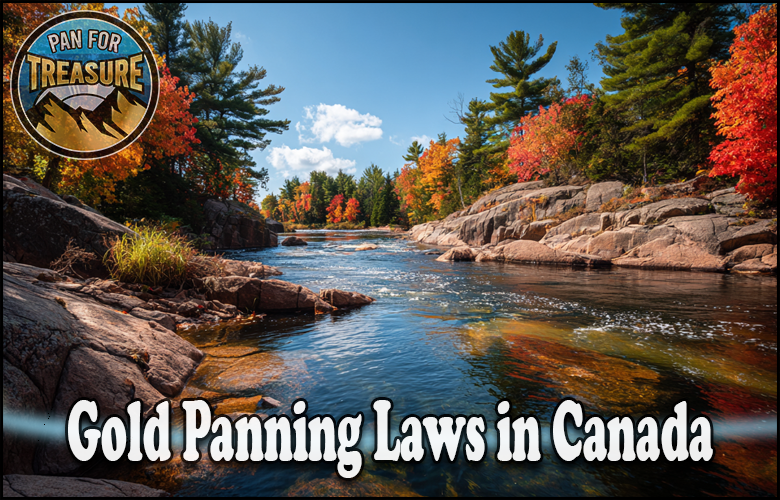
Gold Panning Laws in Canada
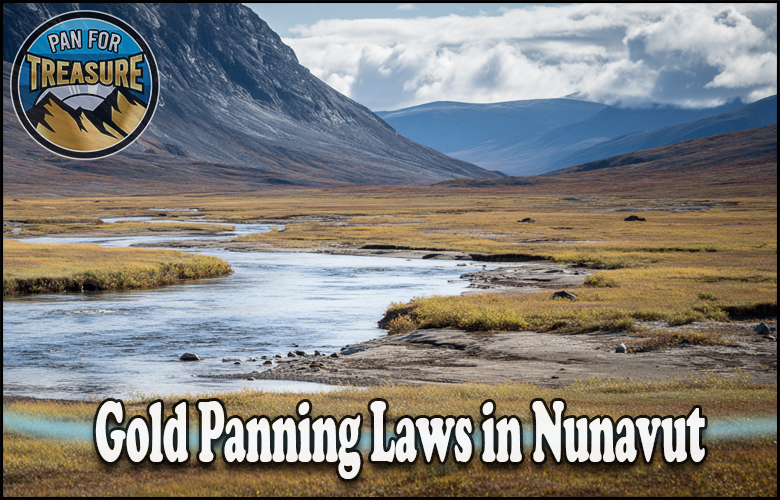
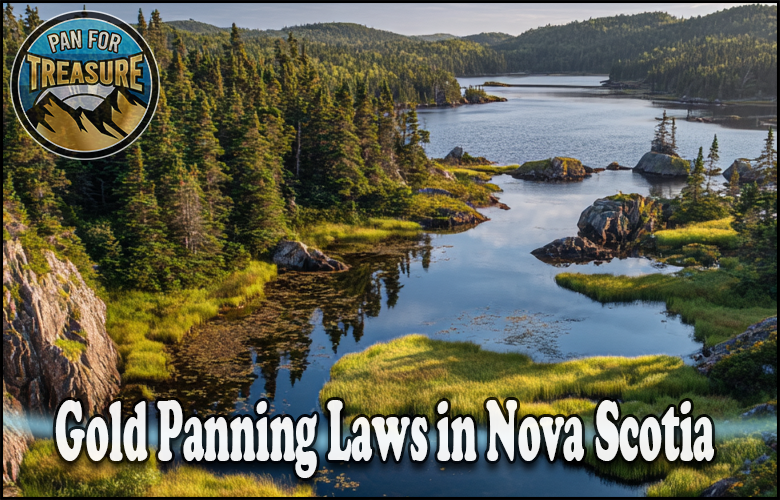
Explore Gold Panning Rules by Province
Canada is one of the most gold-rich countries on Earth, and recreational prospecting is alive and well north of the border. But the rules look very different province to province.
Unlike the United States, where federal agencies like the BLM manage much of the publicly accessible land for recreational panning, Canada’s mineral rights are governed primarily at the provincial and territorial level. That means the rules for where you can pan, how much you can take, and whether you need a permit vary significantly depending on where you are.
In British Columbia, for example, free miners’ certificates allow holders to prospect on Crown land, while provinces like Ontario and Alberta have their own licensing systems and designated prospecting areas. Some territories, including the Yukon – legendary for the Klondike Gold Rush – still offer legal access to gold-bearing creeks under specific conditions.
Before heading out, it’s essential to check the regulations for your specific province or territory. Our Canadian guides break down the key rules so you know exactly what’s required before you hit the creek.
Metal Detecting Laws
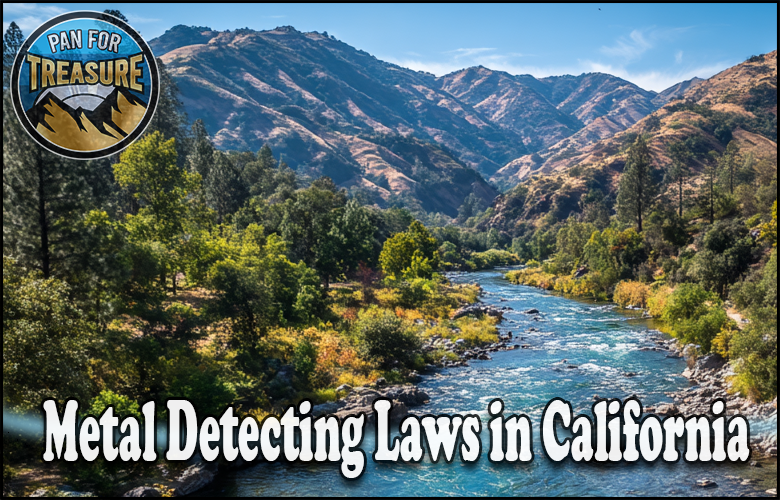

Know the Rules Before You Swing Your Coil
Metal detecting is one of the most popular ways to find gold, coins, relics, and buried treasure – but where you detect matters as much as what detector you use.
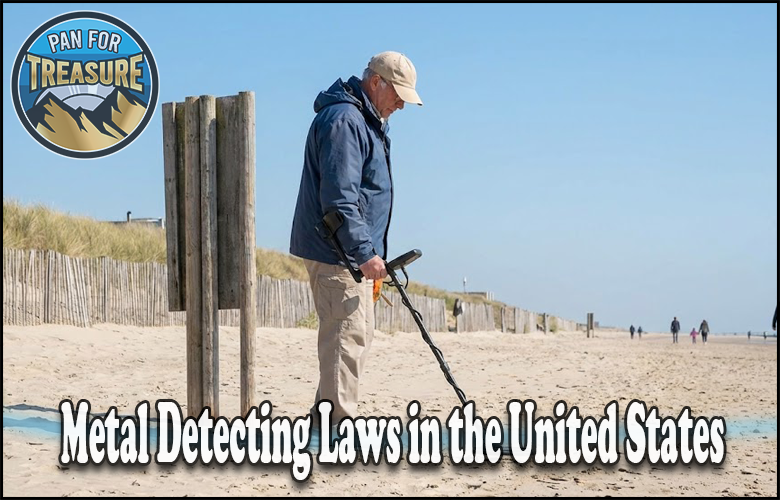
In the United States, detecting on federal public lands is heavily regulated. The Archaeological Resources Protection Act (ARPA) prohibits the removal of artifacts more than 100 years old from federal land without a permit, and the penalties for violations can be severe. National parks and monuments are off-limits entirely. BLM and U.S. Forest Service land may allow casual detecting for modern items, but rules vary by district and activity type.
On private land, permission from the landowner is the key requirement – and always the right call. State parks, beaches, and local public lands each have their own policies, and many municipalities have specific ordinances you’ll want to check before you dig.
Our metal detecting law guides give you a clear breakdown by location so you can detect confidently and legally, wherever your search takes you.

New to Gold Prospecting? Read These First
Not sure what you’ve already been panning or just thinking about trying it.
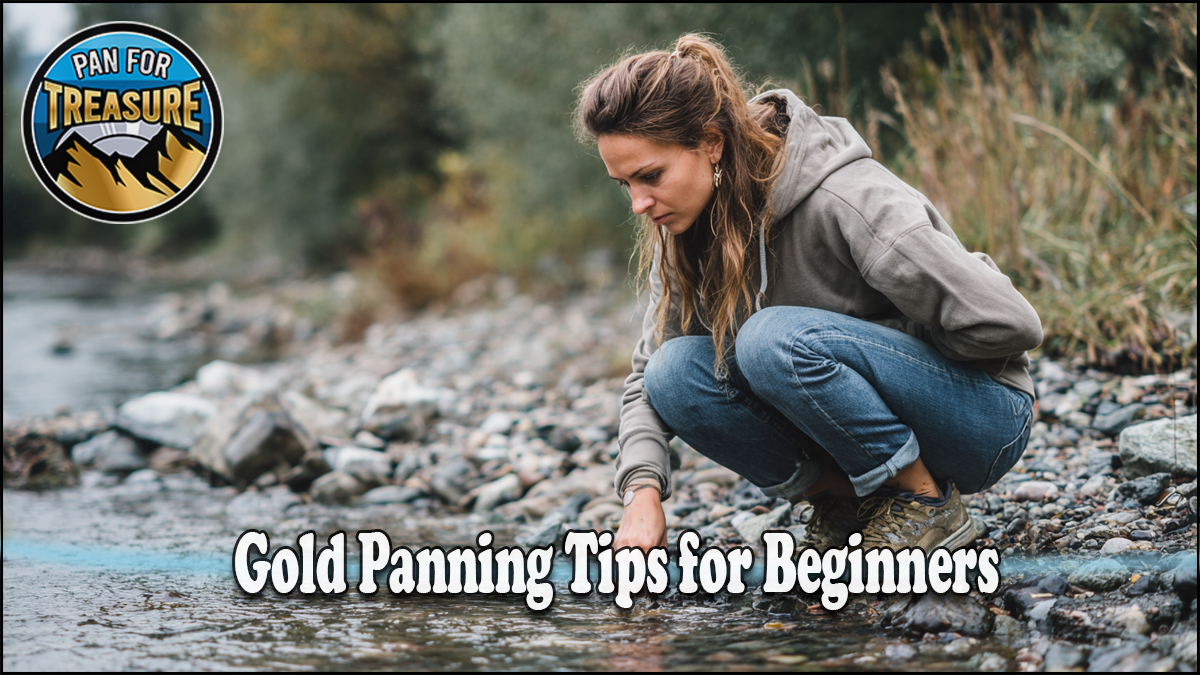
Either way, these guides cover everything you need before your first trip: how to read a creek, what gear to bring, where you’re legally allowed to pan, and the mistakes that cost beginners the most gold.
Start with these guides in order and you’ll be ahead of most people who show up at the creek with nothing but a pan and a hope:
- Getting Started with Gold Panning – what you need to know before your first trip
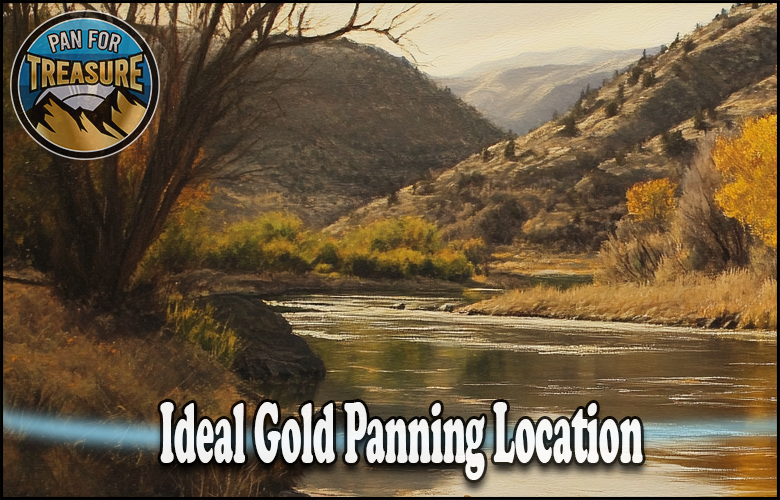
- Selecting the Ideal Location – how to read a creek and find productive ground
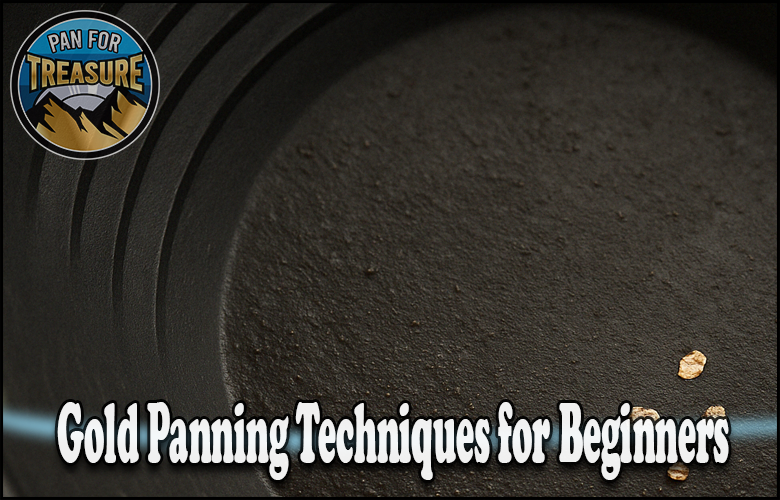
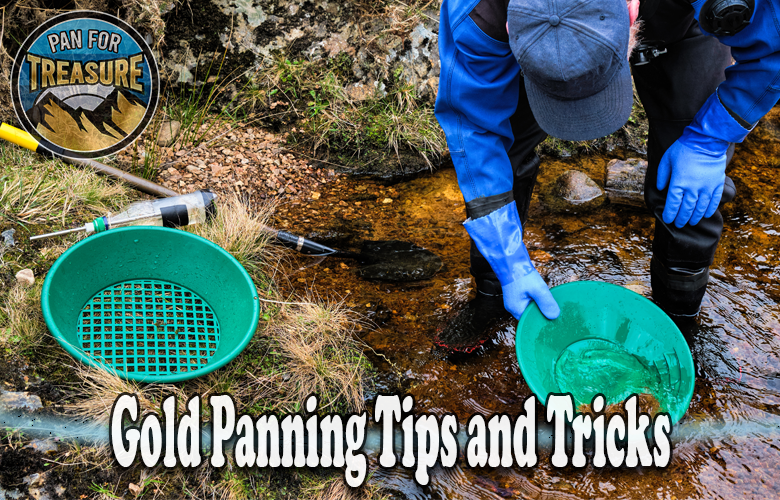
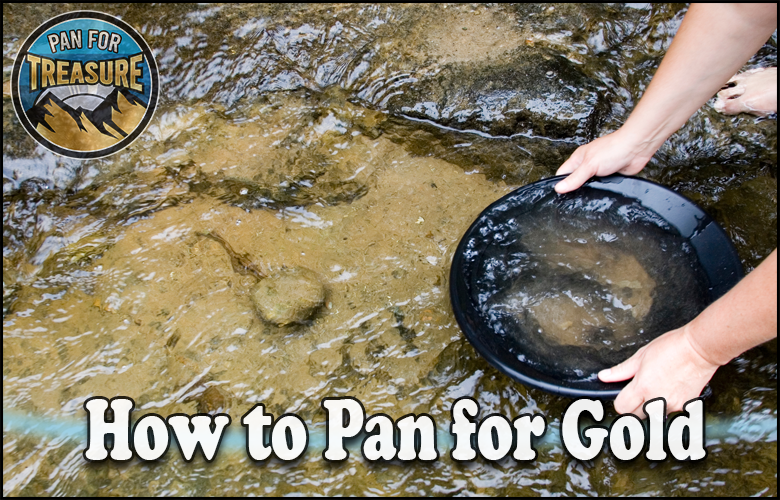
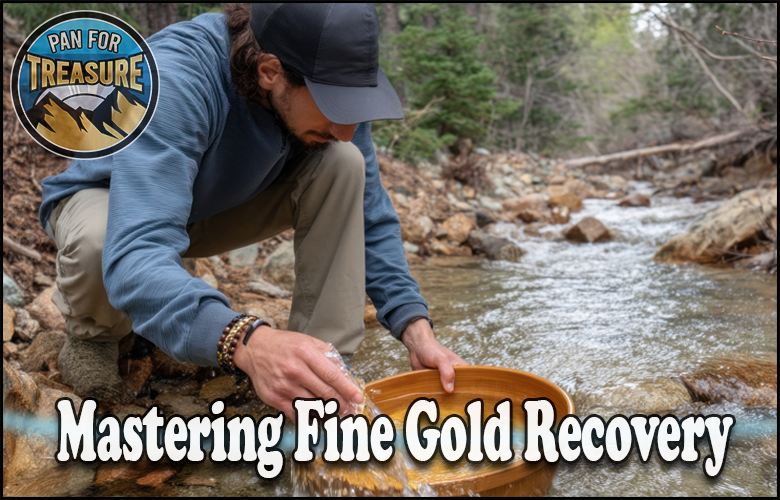
- Techniques for Beginners – the swirling motion, classifying, and recovering fine gold
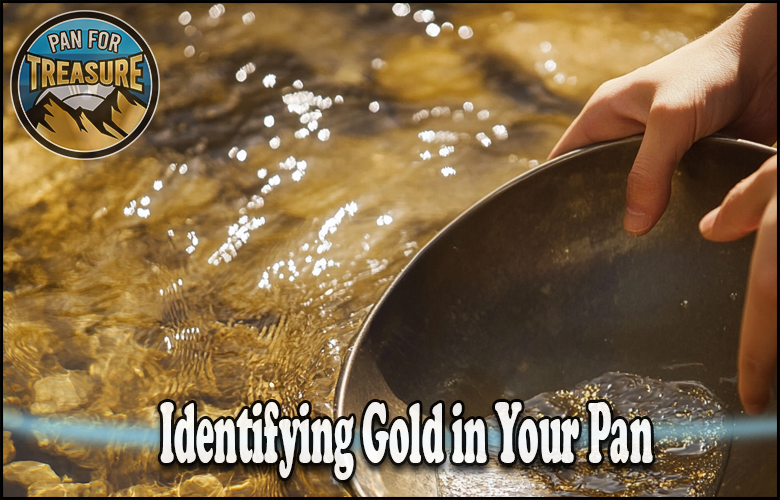
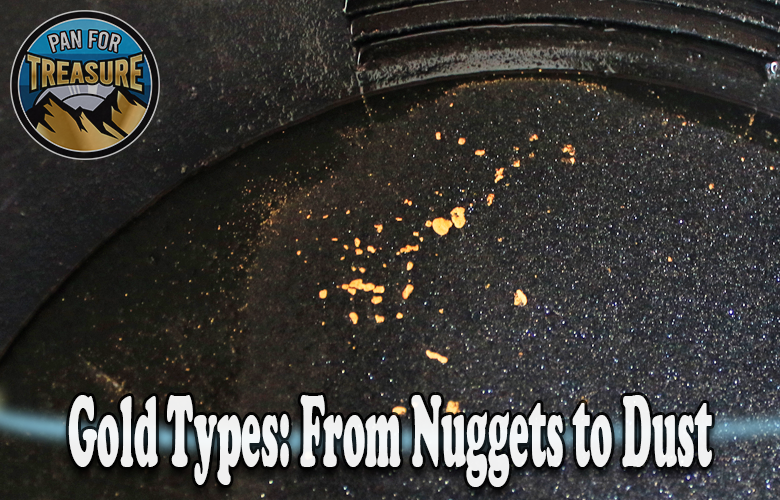
- What to Look For – identifying gold vs. fool’s gold in your pan
- Tips and Tricks – the habits that separate beginners from experienced panners
Step-by-Step Guides and Techniques
If you’re new to gold panning, don’t worry – everyone starts somewhere.
Our guides cover each part of the process, from picking the right tools to learning how to separate gold from gravel and sand.
You’ll get clear, practical instructions to help you recognize real gold and build your skills with every outing. For video walkthroughs, experienced prospectors like Freddy Dodge, Dan Hurd, and Mike Diggins offer excellent field demonstrations on YouTube.
Gold Panning Facts You Probably Didn’t Know

You Can’t Keep Gold in New York
New York has a law dating back to 1776 called “The King’s Law” that says all gold and silver found on public or private land belongs to the state. If you find gold in your own backyard, it’s technically state property.
Metal Detecting Is a Felony in National Parks
Under the Archaeological Resources Protection Act of 1979, metal detecting in any U.S. National Park is illegal. You can’t even have a detector in your car while visiting – just possessing one on park grounds is against the law.
America’s First Gold Rush Wasn’t California
In 1799, a 12-year-old boy named Conrad Reed found a 17-pound gold nugget in a creek in North Carolina while skipping church to go fishing. His family used it as a doorstop for three years before learning it was gold. North Carolina led the nation in gold production for nearly 50 years before the California Gold Rush.
Owning Gold Was Once a Crime
In 1933, President Roosevelt made it illegal for Americans to own gold coins, bullion, or certificates – punishable by a $10,000 fine or 10 years in prison. The ban lasted 41 years until President Ford lifted it in 1974.
Biggest Metal Detector Find Ever
The largest gold nugget ever found with a metal detector is the “Hand of Faith” – 61 pounds discovered just 6 inches underground in Australia in 1980. It sold for over $1 million and now sits on display in a Las Vegas casino.
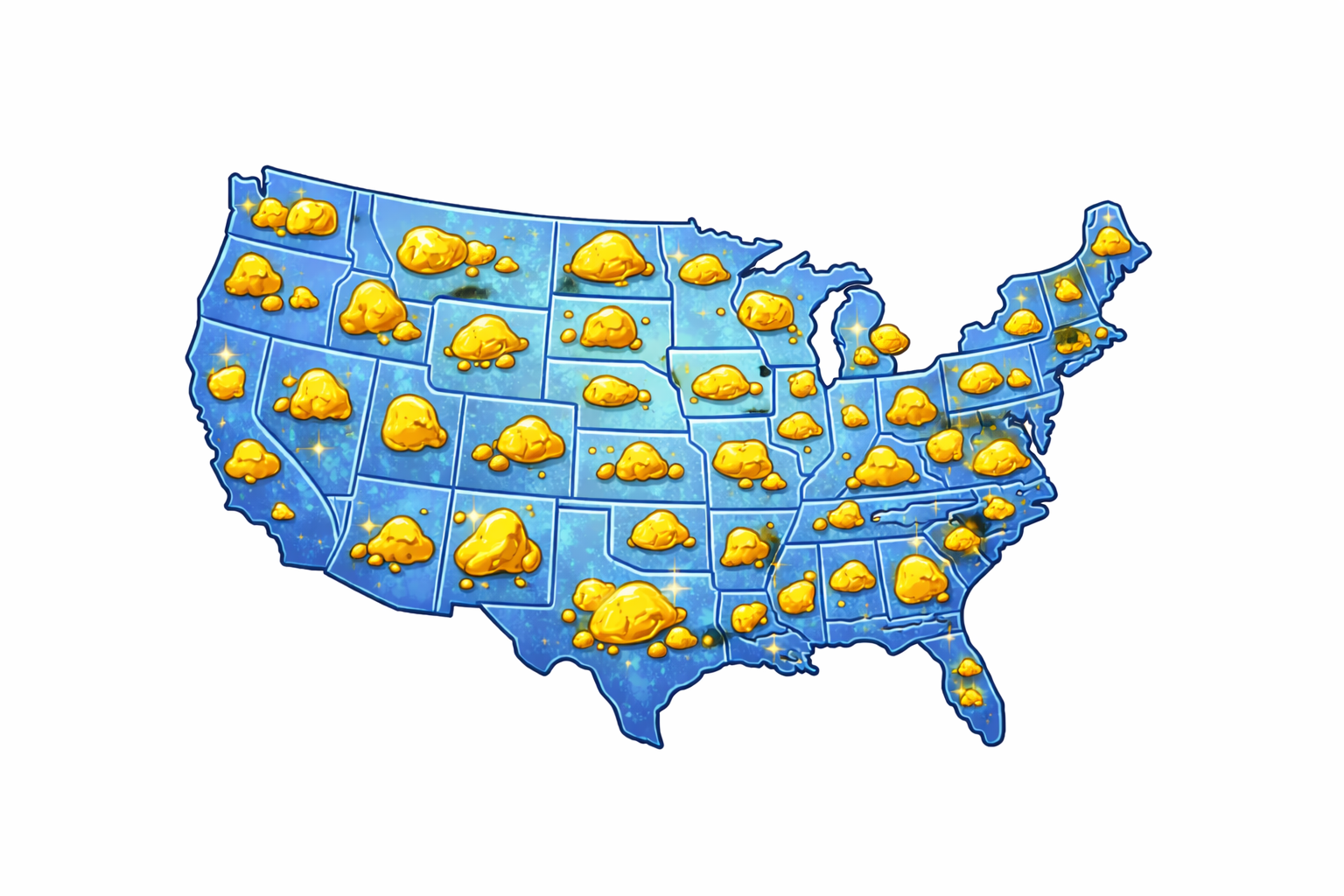
Gold Has Been Found in Nearly Every U.S. State
Gold has been discovered in almost all 50 states. Even states you wouldn’t expect like Indiana, Ohio, and Maine have produced gold. Hawaii is one of the only states where natural gold has never been found.
Essential Gold Prospecting Tools





Must-Have Gear for Every Prospector
The tools you bring can strongly impact how successful and efficient your gold panning experience will be.
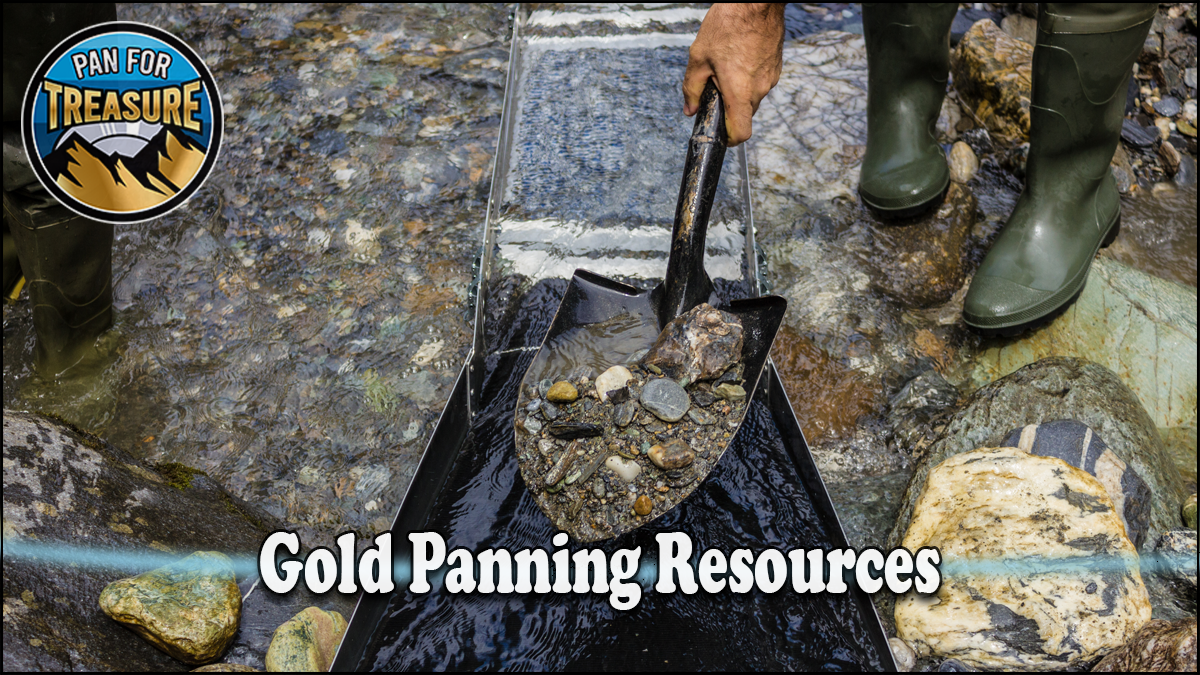
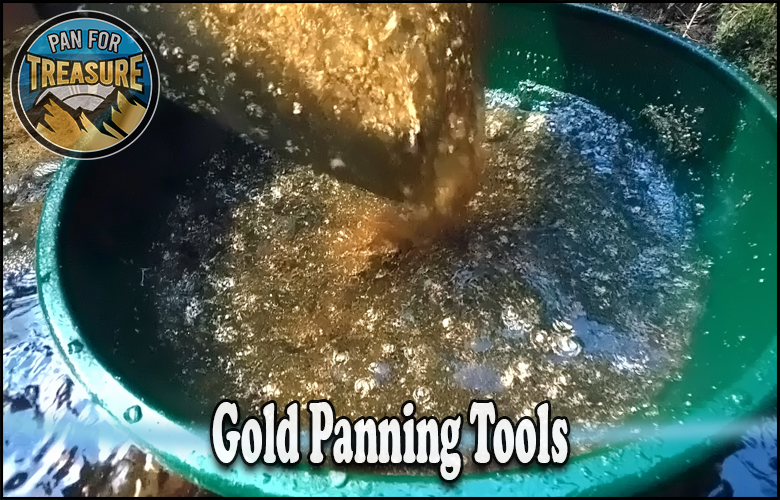
From Garrett gold pans and Keene Engineering classifiers to shovels and snuffer bottles like the Garrett Gold Guzzler, each piece of equipment plays a role in helping you separate gold from gravel more efficiently.
If you’re just starting or upgrading your gear, our guides cover what you need and how to choose the best tools for your prospecting goals.
Helpful Resources and Support
Trusted Sources for Gold Panning Guidance
At Pan for Treasure, our mission is to provide you with all the resources you need to embark on your gold panning journey.
From recommended gear and equipment to permit information, gold panning tips, gold panning terms, and insights into the history of gold mining.
We also highlight the importance of environmental conservation to ensure responsible and sustainable prospecting.
For a broader look at mineral resources and geological data in the U.S., check out the U.S. Geological Survey’s Mineral Resources Program.
Looking to connect with other prospectors? The Gold Prospectors Association of America (GPAA) organizes group outings and provides members with access to gold claims across the country, and the TreasureNet forum is one of the largest online communities for gold panning and prospecting discussion.
I’m always happy to answer your questions – feel free to reach out through the Contact page.
Check Out Our In-Depth Guides
Ready to Try Gold Panning?
Gold panning is a rewarding way to enjoy the outdoors and connect with nature.
From nearby streams to cross-country prospecting trips, Pan for Treasure offers the tips and resources you need to get started and stay informed every step of the way.
Frequently Asked Questions
What is Pan For Treasure?
Pan For Treasure is a comprehensive website with guides for gold panning, metal detecting, prospecting gear, and adventure tips – created for enthusiasts and beginners alike.
Who writes the content on Pan For Treasure?
I’m Ryan Conlon, a gold panning enthusiast based in Minneapolis, MN. I write all the content on this site based on my own prospecting experience and research.
Can beginners use this site?
Absolutely. We publish beginner‑friendly guides, tool recommendations, and location‑based articles to help newcomers get started with gold panning and prospecting.
What kind of equipment do you cover?
We cover gold pans from brands like Garrett, classifiers from Keene Engineering, sluice boxes, metal detectors, snuffer bottles, and detailed reviews of kits and tools you’ll use for prospecting or panning.
Where are the best places to pan for gold in the U.S.?
Some of the top locations include California’s Mother Lode region and Nevada County, Colorado’s Clear Creek near Central City, the Black Hills of South Dakota, North Carolina’s Reed Gold Mine, and Arizona’s Lynx Creek. Our Gold Rush Hotspots guide covers dozens more.
What gemstones can you find while gold panning?
Depending on the location, you may find garnet, quartz, topaz, amethyst, citrine, agate, sapphire, and aquamarine alongside gold in your pan. Our gemstone panning guide covers the top sites.
Are there gold panning communities I can join?
Yes – the Gold Prospectors Association of America (GPAA) offers group outings and claims access for members, and TreasureNet is one of the largest online prospecting forums where you can ask questions and learn from experienced panners.
How can I contact you for questions or collaborations?
You can reach us through our Contact Us page or email us at [email protected] with your inquiry, suggestion, or partnership idea.
Subscribe to Our Newsletter