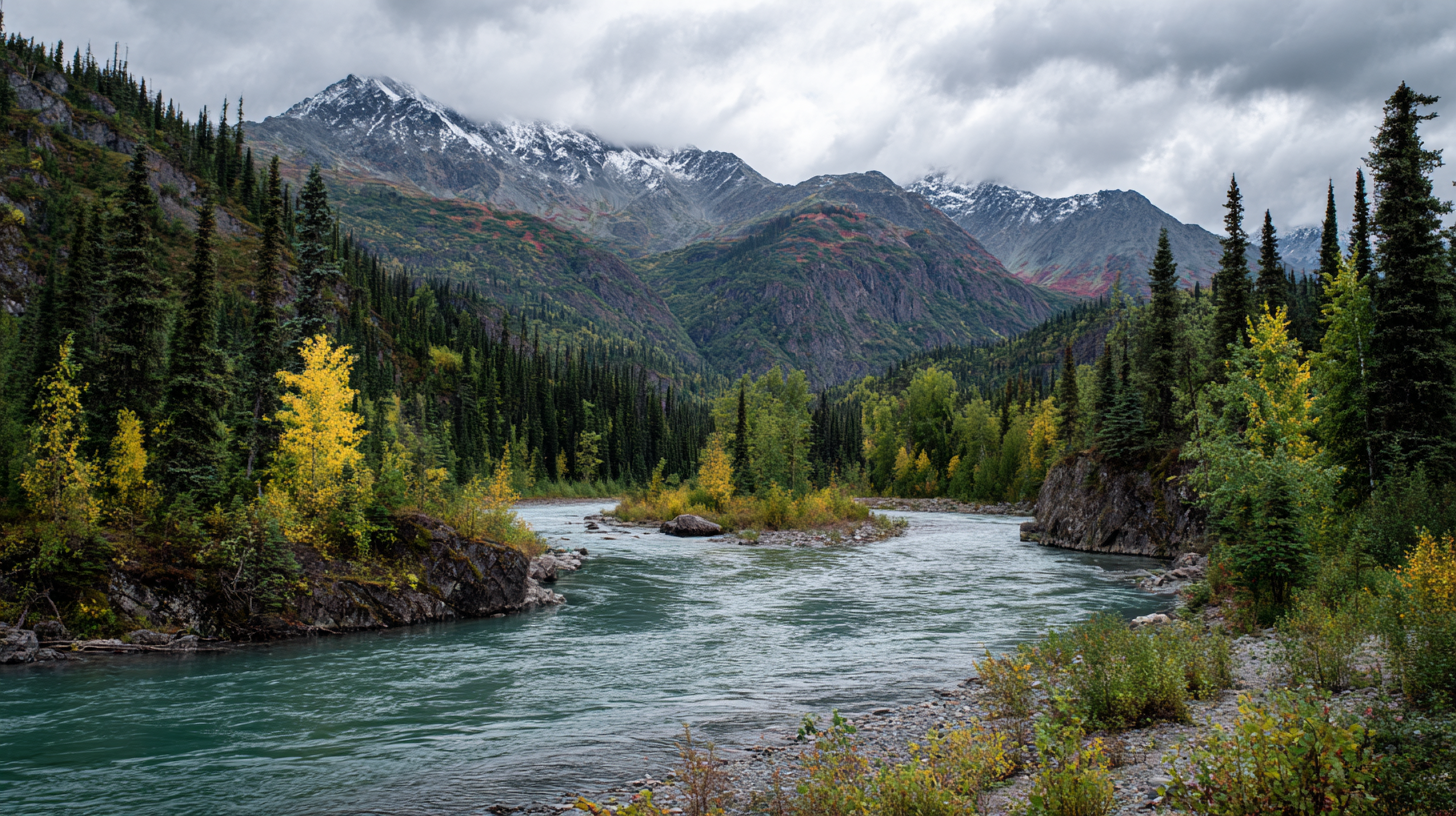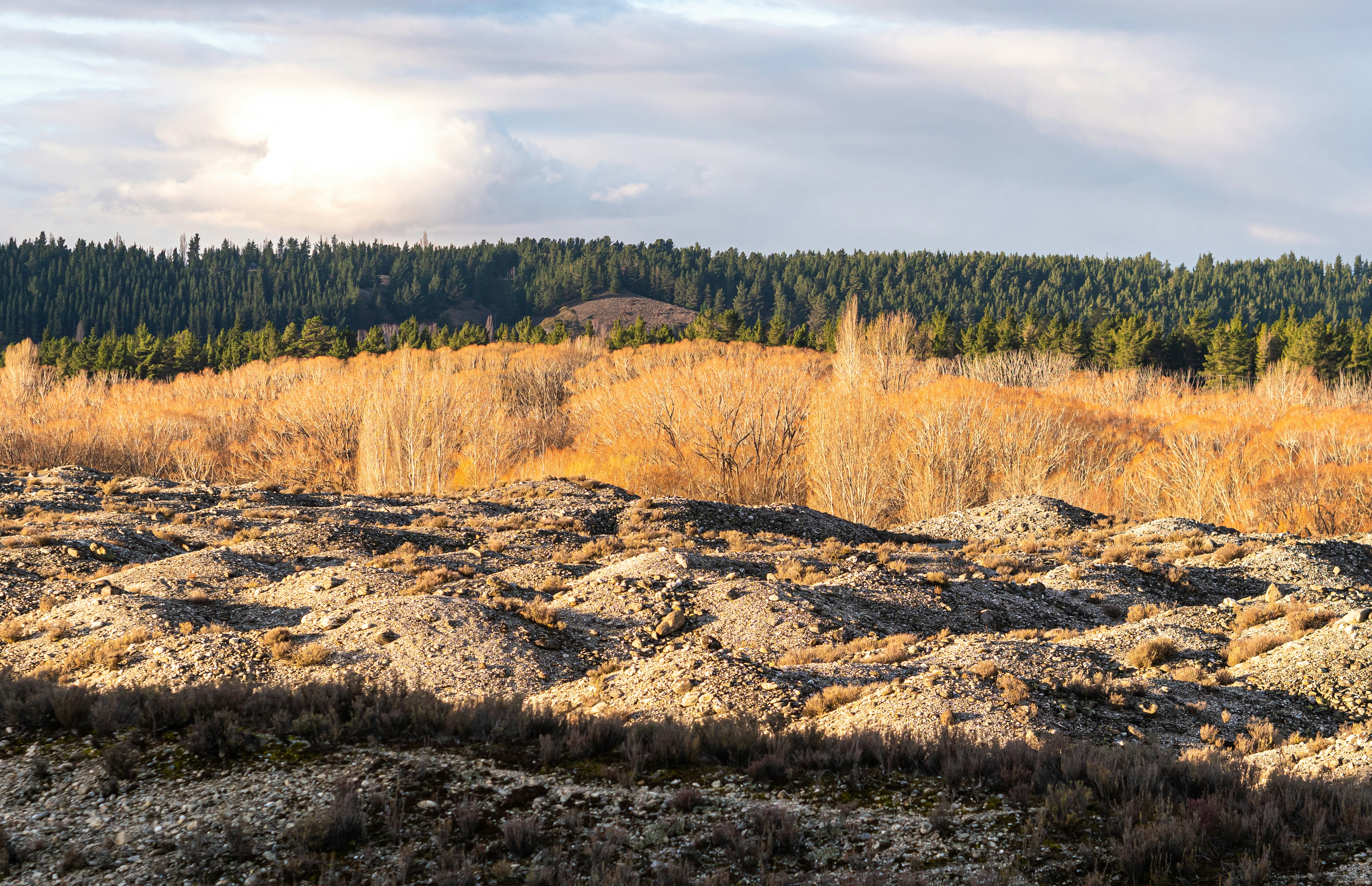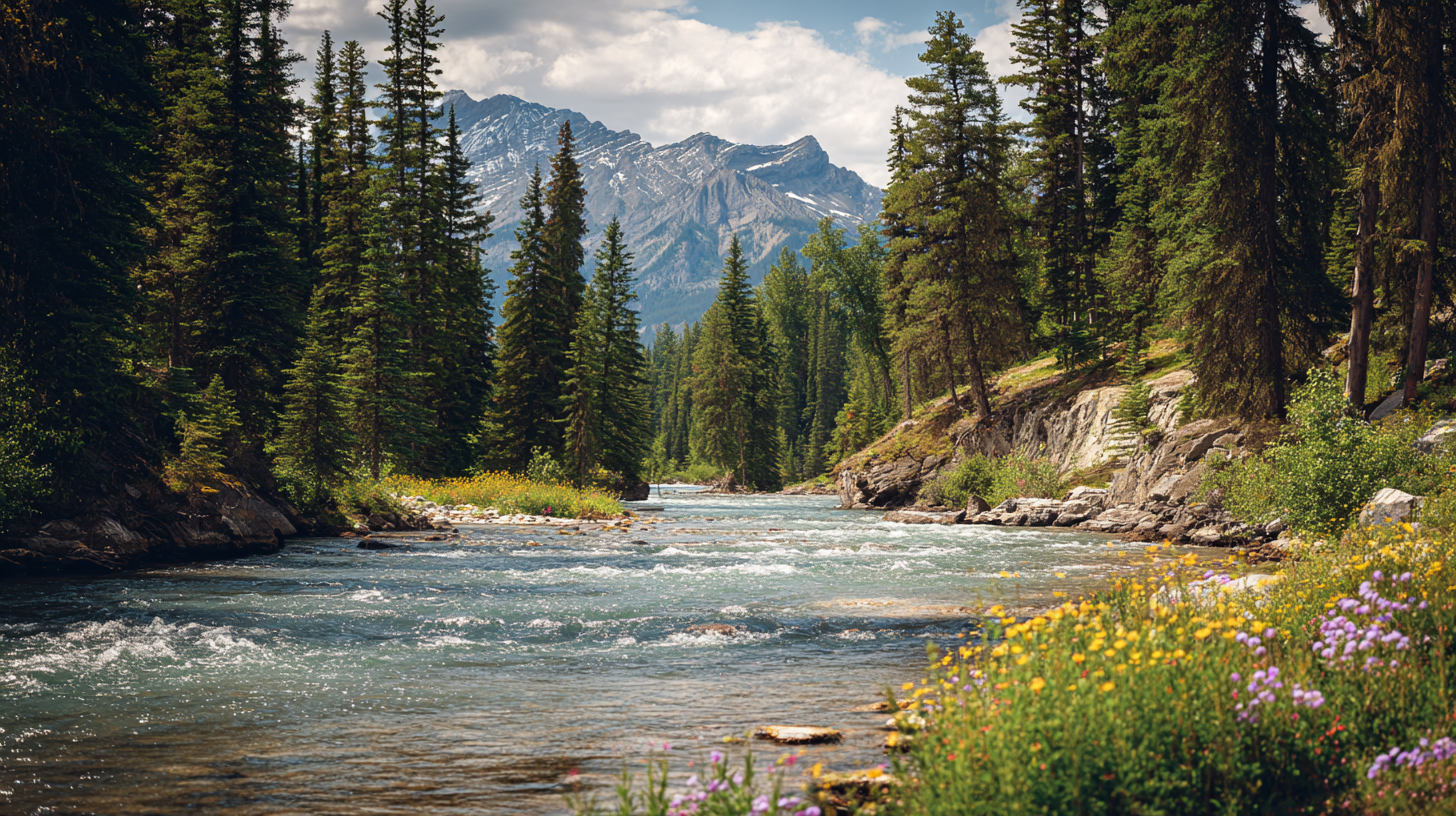
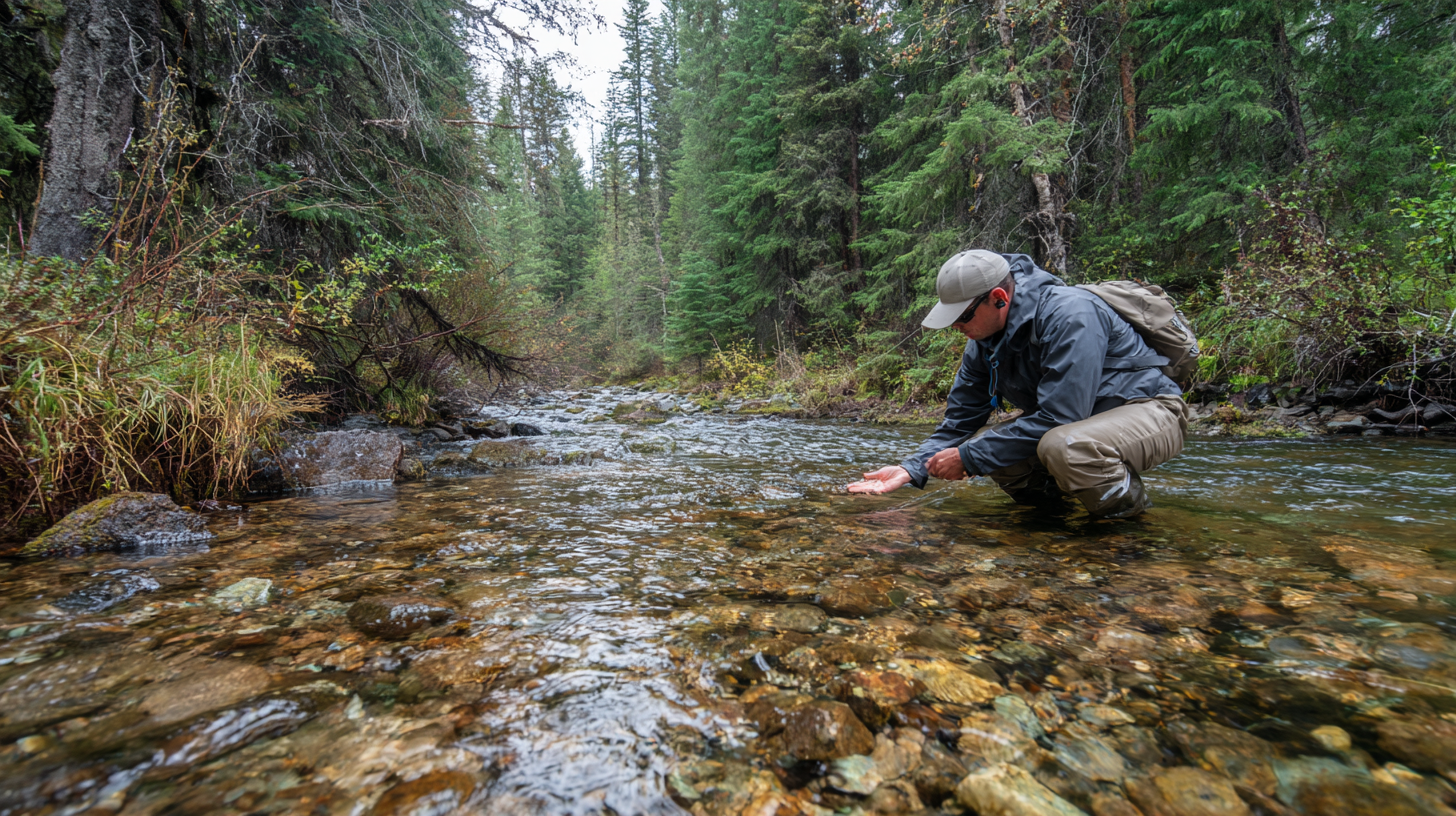
Wetland gold prospecting offers real opportunity for finding gold, since wetland environments naturally concentrate fine gold particles through water flow and sediment deposition.
But these ecologically sensitive areas come with a specific set of rules that differ from prospecting on dry ground, and understanding them before you head out is essential.
TL;DR
- Wetlands concentrate gold because slow-moving water and organic sediment trap fine particles that wash down from upstream sources.
- The U.S. Army Corps of Engineers regulates activities in wetlands under Section 404 of the Clean Water Act.
- Hand panning in active stream channels within wetland areas is generally allowed without a permit, but motorized equipment triggers permitting requirements.
- A jurisdictional determination from the Corps clarifies whether your site falls under federal wetland regulations.
- State laws often add restrictions beyond federal requirements — several states require permits even for non-motorized prospecting near wetlands.
- Leave-no-trace practices are critical in wetland environments, where even minor disturbance can damage fragile ecosystems.
Featured
Why Wetlands Hold Gold Deposits
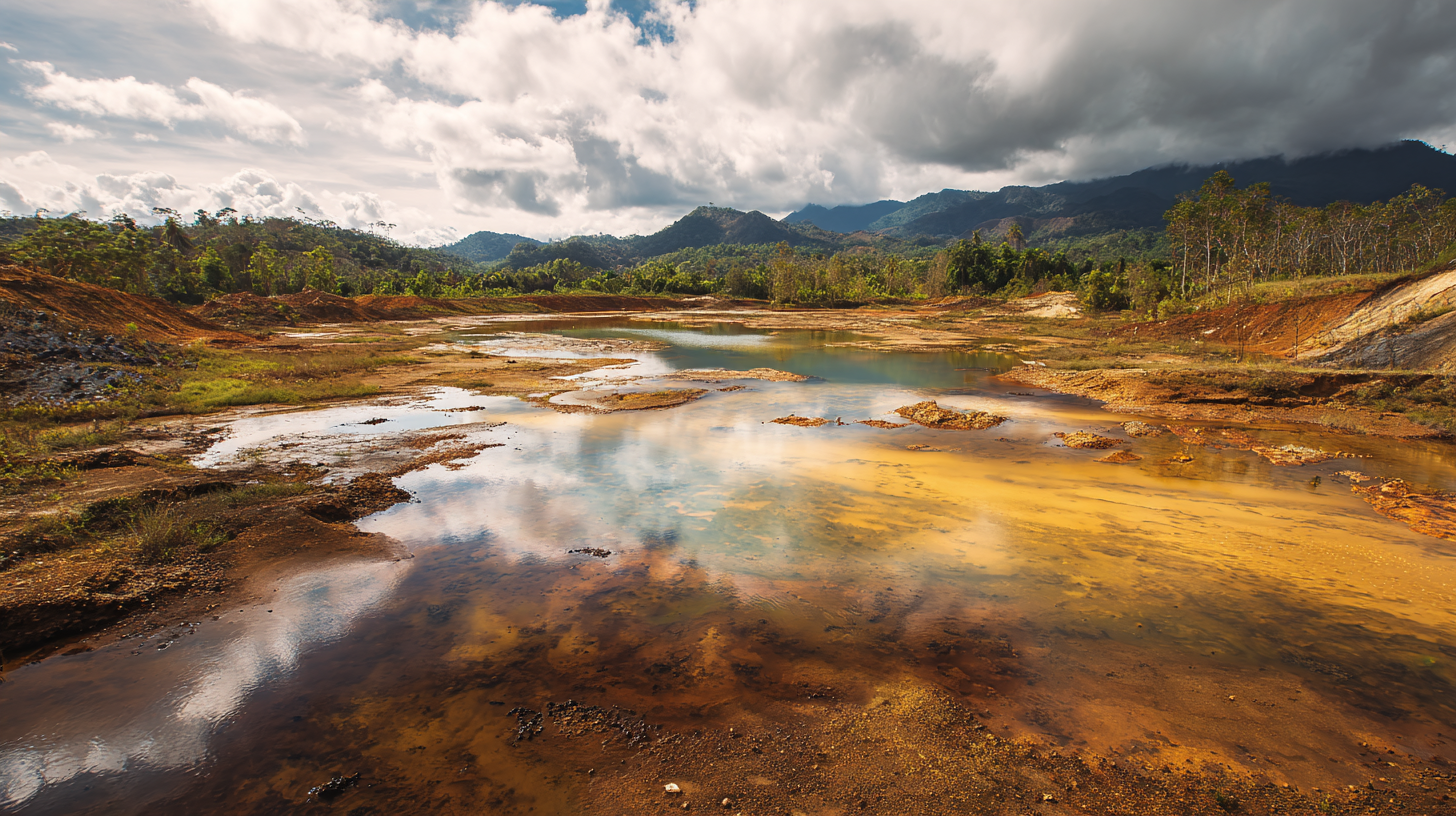
Gold accumulates in wetland environments through the same geological processes that create placer deposits elsewhere — just in slower motion.
As water flows from higher elevations through streams and rivers, it carries fine gold particles downstream.
When that water enters a wetland, the flow velocity drops dramatically.
Heavier particles, including gold, settle out of suspension and become trapped in the sediment.
Over time, repeated flooding cycles concentrate gold in specific layers within wetland soils.
Areas where streams enter wetlands, where channels narrow or bend, and where organic material creates natural riffles are particularly productive spots.
The best indicators to look for when prospecting include exposed bedrock within the wetland, gravel bars at stream entry points, and areas where heavy black sand accumulates.
Historical mining records and USGS geological surveys can help you identify wetlands downstream of known gold-bearing formations.
Our Favorite Posts
Wetland Gold Prospecting Regulations
The regulatory framework for wetland prospecting centers on the Clean Water Act, administered jointly by the U.S. Army Corps of Engineers and the EPA.
Section 404 of the Clean Water Act requires a permit for any discharge of dredged or fill material into “waters of the United States,” which includes most wetlands.
For prospectors, this means:
- Hand panning in the active stream channel with no bank disturbance generally does not constitute a regulated discharge and is allowed without a permit.
- Using a suction dredge, motorized pump, or any equipment that moves sediment from the streambed to a processing device triggers Section 404 requirements.
- Digging into wetland soils outside the active stream channel can constitute fill or excavation activity that requires a permit.
If you plan to use anything beyond basic hand tools, contact your regional Army Corps of Engineers district office before you begin.
They can advise you on whether your planned activity requires a permit and guide you through the application process.
For a deeper look at the permitting framework, see our guide on wetland protection and gold mining.
Getting a Jurisdictional Determination for Your Site
A jurisdictional determination (JD) tells you whether the wetland features at your prospecting site are regulated under federal law.
Not all wet areas qualify as jurisdictional wetlands.
To be regulated, an area must meet three criteria: hydric soils, hydrophytic vegetation, and wetland hydrology.
| JD Type | What It Does | Timeline | Validity |
|---|---|---|---|
| Preliminary JD | Assumes all water features are jurisdictional — no detailed study needed | Weeks | Not binding |
| Approved JD | Formal delineation of jurisdictional boundaries based on field data | Months | Binding for 5 years |
For most recreational prospectors, a preliminary JD is sufficient.
It lets you proceed with the permitting process quickly while assuming the most conservative regulatory posture.
If you own or have a long-term claim on wetland property, an approved JD is worth the additional time because it gives you a definitive, binding determination of which areas are and are not regulated.
Recommended Reading
Effective Techniques for Wetland Prospecting
Wetland environments call for slightly different prospecting techniques than standard stream panning.
The sediment tends to be finer, more organic, and stickier than typical stream gravel.
- Sample at stream entry points — Where flowing water enters the wetland, velocity drops and gold settles. Dig small test holes in the gravel at these transitions and pan the material.
- Work exposed bedrock — If bedrock is visible within the wetland stream channel, use a crevicing tool to clean out cracks and pockets where gold gets trapped.
- Use a classifier — Wetland sediment often contains roots, organic debris, and clay that can mask gold. A 1/8-inch or 1/4-inch classifier screen helps you separate the heavy concentrates from the organic material.
- Pan slowly and carefully — Fine gold in wetland sediment requires patience. Use a slow, controlled panning technique to avoid washing flour gold over the rim.
- Target the inside bends of channels — Just like in larger rivers, gold deposits on the inside of meander bends where water slows down.
Permits
Leave-No-Trace Practices in Wetland Areas
Wetland ecosystems are among the most productive and sensitive environments in the United States.
They filter water, buffer floods, sequester carbon, and support a disproportionate share of the nation’s biodiversity.
Prospecting responsibly in these areas means leaving them exactly as you found them.
Backfill every hole you dig so the streambed returns to its natural grade.
Do not trample or remove riparian vegetation — these plants stabilize the banks and filter runoff.
Stay on existing access trails to avoid creating new paths through sensitive areas.
Keep all equipment, fuel, and supplies well away from the water’s edge.
If you are camping near a wetland, set up at least 200 feet from the water and use established campsites where available.
Report any obvious dumping, pollution, or illegal activity you encounter to the managing agency.
Resources for Wetland Gold Prospecting
- U.S. Army Corps of Engineers — Regulatory Program — Find your regional district office and learn about Section 404 permits and jurisdictional determinations.
- EPA — Wetlands Protection — Federal wetland policy, Clean Water Act guidance, and wetland identification resources.
- Bureau of Land Management — Mining and Minerals — BLM policies on casual use and mining on public lands adjacent to wetlands.
- U.S. Fish and Wildlife Service — National Wetlands Inventory — Interactive maps showing wetland locations across the United States.
- Gold Prospectors Association of America (GPAA) — Membership organization with legal prospecting resources and claim access.
Conclusion
Wetlands are often overlooked by prospectors who assume the regulatory complexity is not worth the effort.
But these environments can hold excellent gold deposits, and the rules for hand panning in them are manageable once you understand the basics.
Get a jurisdictional determination if you plan to return regularly, stay in the active stream channel, use hand tools only unless you have the appropriate permits, and practice strict leave-no-trace habits.
With that approach, wetland gold prospecting is both productive and sustainable.
Frequently Asked Questions – Wetland Gold Prospecting
Is it legal to pan for gold in a wetland?
Hand panning in the active stream channel of a wetland is generally legal on public land without a federal permit. However, using motorized equipment, digging into wetland soils, or disturbing the banks may require a Section 404 permit from the Army Corps of Engineers. State laws may add further requirements.
Why do wetlands contain gold?
Wetlands trap gold because water velocity drops when streams enter these flat, vegetated areas. Heavier particles like gold settle out of suspension and accumulate in the sediment over time, especially at stream entry points, along bedrock exposures, and on the inside of channel bends.
Do I need a jurisdictional determination before prospecting in a wetland?
A JD is not required for casual hand panning, but it is strongly recommended if you plan to use any motorized equipment or return to the site regularly. It clarifies whether the site is federally regulated and can protect you from inadvertent violations.
Can I use a sluice box in a wetland?
A hand-fed sluice box placed in the active stream channel generally qualifies as casual use on federal land. A pump-fed sluice or highbanker is motorized equipment and typically requires a Section 404 permit plus any applicable state permits.
What happens if I accidentally damage a wetland while prospecting?
Even unintentional damage to jurisdictional wetlands can result in enforcement action under the Clean Water Act, including fines, cease-and-desist orders, and mandatory restoration at your expense. The best protection is to stay in the active stream channel and avoid disturbing banks or vegetation.
Are all wet areas considered regulated wetlands?
No. A regulated wetland must meet three specific criteria: hydric soils, hydrophytic vegetation, and wetland hydrology. Seasonal puddles, irrigation ditches, and artificially created water features may not qualify. A jurisdictional determination can clarify the status of your specific site.
What is the best time of year for wetland prospecting?
Late summer and early fall are often ideal because water levels are lower, exposing more streambed and gravel deposits. Lower water also makes panning safer and easier. Some states impose seasonal restrictions on in-stream activities during fish spawning periods, so check local regulations.
⛏ Recommended Gear ⛏


* As an Amazon Associate I earn from qualifying purchases at no extra cost to you.
Subscribe to Our Newsletter

Ryan Conlon is the founder of Pan for Treasure.
A lifelong gold panning enthusiast, he created this site to help beginners learn the ropes and share practical tips from his own time on the creek. [email protected]