
Legal requirements for gold prospecting in the United States cover everything from where you can pan to what equipment you can use, and understanding them is the first step toward prospecting safely and legally.
Whether you are a weekend hobbyist or a serious prospector, the same laws apply.
TL;DR
- Federal law allows prospecting on open BLM and Forest Service land under casual-use provisions — no permit needed for hand tools.
- Motorized equipment triggers permitting requirements at both the federal and state level.
- National Parks, Wilderness Areas, and Wildlife Refuges have strict restrictions or outright bans on prospecting.
- State laws vary significantly and can impose additional permits, seasonal closures, and equipment restrictions.
- Private land requires written permission from the landowner and may involve county or state permits.
- Tax obligations apply to gold you find — the IRS treats found gold as taxable income at fair market value.
Featured
The Federal Legal Requirements for Gold Prospecting
The federal legal framework for prospecting is built on three pillars: the General Mining Law of 1872, the Federal Land Policy and Management Act (FLPMA), and the various land management regulations issued by BLM and the Forest Service.
Together, these laws establish that public domain lands are generally open to mineral exploration, but with graduated levels of oversight based on the scale and impact of your activity.
| Legal Requirement | What It Covers | Who It Applies To |
|---|---|---|
| Casual-use compliance | Hand tools only, negligible disturbance, no motorized equipment | All recreational hand panners on federal land |
| Notice of Intent | Small motorized operations, minor surface disturbance | Prospectors using dredges, pumps, or powered equipment |
| Plan of Operations | Significant surface disturbance, large-scale operations | Commercial miners, large mechanized operations |
| Mining claim filing | Exclusive mineral rights to a specific parcel | Anyone seeking exclusive rights to prospect or mine a specific area |
| Annual maintenance fees | $165/claim/year to BLM by September 1 | All mining claim holders |
For a deep dive into the permitting tiers, see our guide on permitting for gold mining.
Our Favorite Posts
Legal Requirements: Where You Can and Cannot Prospect
Not all public land is open to prospecting.
The legal designation of the land determines your access.
- BLM public lands — Open to prospecting under casual-use provisions unless withdrawn from mineral entry. Check the BLM LR2000 database for land status.
- National Forests — Open to casual-use prospecting on most Forest Service land. Some areas are closed to mining by forest plan direction or special designations.
- National Parks — Prospecting is prohibited unless you hold valid pre-existing mineral rights.
- Wilderness Areas — Open to hand-tool prospecting only. No motorized or mechanized equipment allowed.
- National Wildlife Refuges — Generally closed to prospecting unless specifically authorized.
- State lands — Rules vary by state. Some states lease mineral rights on state trust lands, while others prohibit prospecting in state parks.
- Private land — Always requires written landowner permission. No federal right of access exists on private property.
Our gold panning laws by state guide breaks down the specific rules for each state.
State-Level Legal Requirements
State law adds a second layer of regulation on top of federal rules.
The most common state requirements that prospectors encounter:
- Dredge permits — Required in most western states for any suction dredging, with restrictions on nozzle size, season, and eligible waterways.
- Water-use authorizations — Some states treat any diversion or use of stream water for mining as a water-right issue requiring a permit.
- Environmental compliance — Discharge of sediment or process water may require a state NPDES-equivalent permit.
- Seasonal closures — Many states close waterways to motorized mining during fish spawning seasons.
- County recording of claims — Required in most states in addition to federal BLM filing.
These rules change regularly, particularly around dredging and environmental compliance.
Verify current requirements with your state agency before each season.
Recommended Reading
Tax Obligations on Found Gold
Many prospectors overlook a significant legal requirement: taxes on found gold.
The IRS considers gold you find while prospecting to be taxable income, valued at the fair market value of the gold on the date you find it.
This applies whether you sell the gold or keep it.
If you sell the gold later for more than its value when you found it, the difference is a capital gain and subject to additional tax.
If you sell it for less, you may be able to claim a capital loss.
Keeping records of your finds — including dates, weights, and estimated values — makes tax compliance straightforward.
If prospecting is your hobby rather than a business, your deductible expenses may be limited.
Consult a tax professional for guidance specific to your situation.
This article is for general educational purposes and does not constitute legal or tax advice. Consult a qualified attorney or CPA for guidance specific to your situation.
Permits
Equipment Restrictions and Legal Requirements
The type of equipment you use directly determines what permits you need.
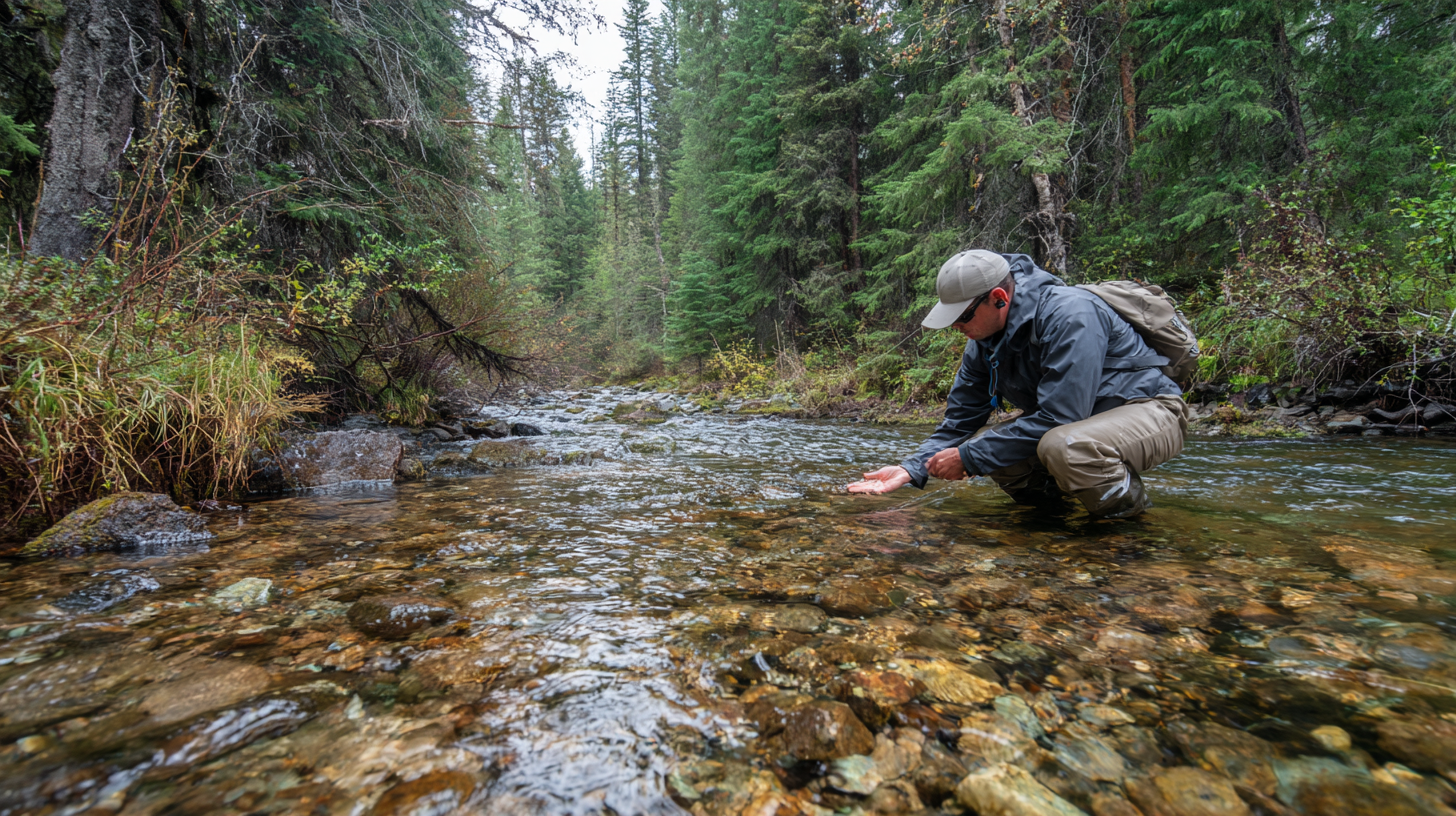
Hand tools — pans, hand sluices, shovels, crevicing picks, classifiers — are universally allowed under casual-use provisions on open federal land.
Motorized equipment crosses the line into regulated activity.
- Suction dredges require both federal and state permits in most jurisdictions. California has maintained a moratorium on dredging since 2009.
- Pump-fed highbankers are motorized equipment and require at least a Notice of Intent on federal land.
- Metal detectors are generally allowed on BLM and Forest Service land for prospecting purposes, but metal detecting laws prohibit recovering archaeological artifacts on federal land.
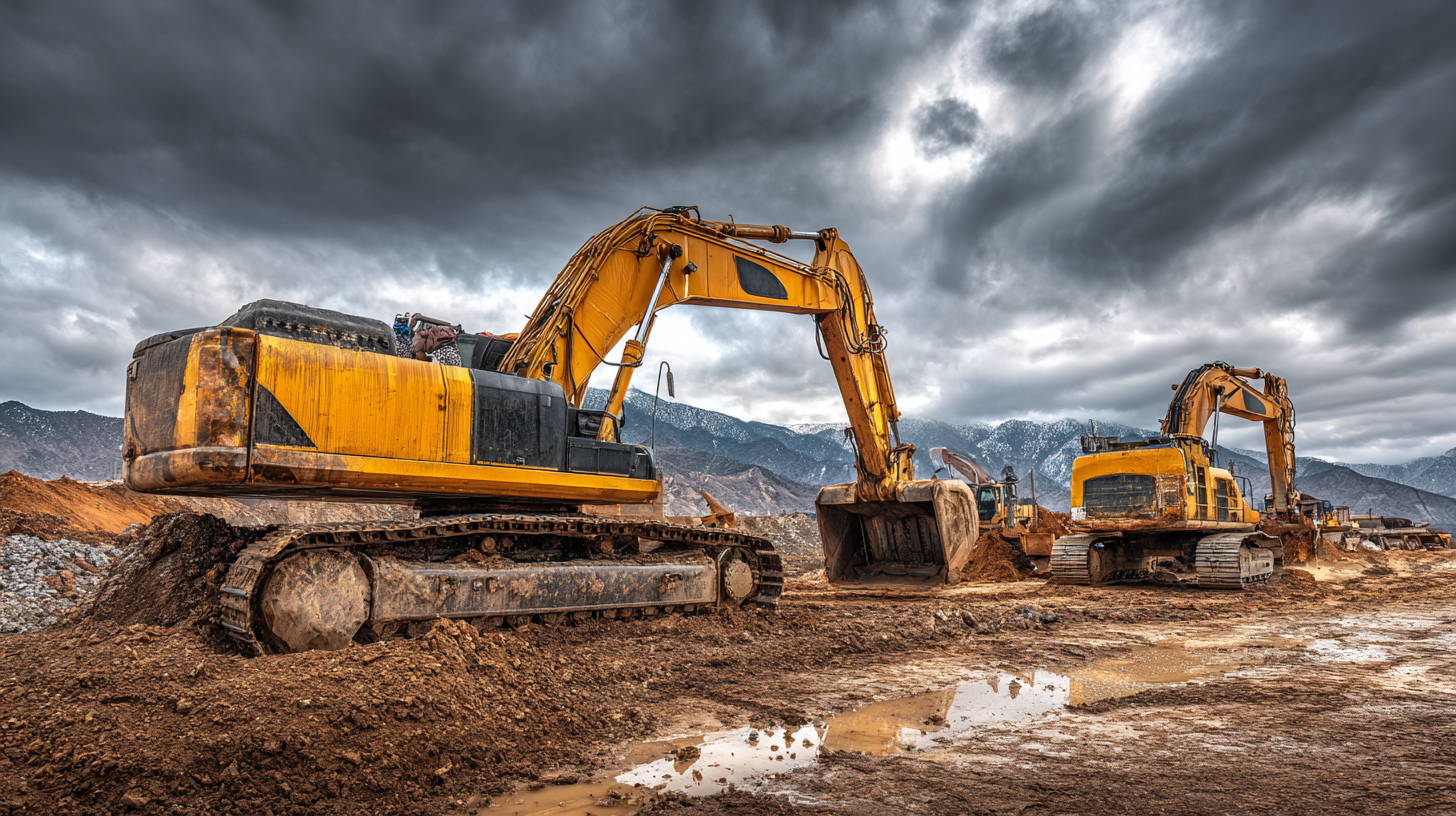
- Power winches and excavators require a Plan of Operations with full environmental review.
Resources for Legal Requirements
- Bureau of Land Management — Mining and Minerals — Federal guidance on casual use, permitting, and mining claims.
- USDA Forest Service — Minerals and Geology — Forest Service prospecting regulations and district contacts.
- National Park Service — Geology Permits — NPS policies on mineral collection and prospecting in National Parks.
- IRS — Casualty, Disaster, and Theft Losses / Found Property — IRS guidance on reporting found property as income.
- Gold Prospectors Association of America (GPAA) — Prospector advocacy, legal resources, and access to permitted claims.
Conclusion
The legal landscape for gold prospecting is more straightforward than it looks once you break it into components: federal land-use rules, state environmental and permitting requirements, equipment-based thresholds, and tax obligations.
For the recreational hand panner, the rules are minimal — find open federal land, use hand tools, and leave the site as you found it.
For anyone stepping up to motorized equipment or commercial operations, the permitting system provides a clear path, though it requires more paperwork and time.
Whatever your level, understanding the legal requirements for gold prospecting protects you from fines, protects the environment, and keeps this tradition accessible for future prospectors.
Frequently Asked Questions – Legal Requirements
Do I need a license to pan for gold?
There is no general federal license required for recreational gold panning. Hand panning on open BLM and Forest Service land falls under casual-use provisions and needs no license, permit, or registration. Some states require permits for specific activities like suction dredging.
Is it legal to keep gold I find on public land?
Yes. Gold you find while prospecting on public land under casual-use provisions or on a valid mining claim is yours to keep. However, the IRS considers found gold to be taxable income at its fair market value.
What are the penalties for prospecting illegally?
Penalties vary by violation. Prospecting in a National Park can result in federal citations and fines. Operating without required permits can lead to fines, mandatory reclamation, and equipment seizure. ARPA violations for disturbing archaeological resources carry up to $100,000 in fines and imprisonment.
Do I need written permission to prospect on private land?
Yes. No federal right of access exists on private property. You must have the landowners written permission before prospecting on private land, and additional county or state permits may be required depending on your activity and location.
Can I use a metal detector while gold prospecting on federal land?
Yes, metal detecting for gold nuggets is generally allowed on open BLM and Forest Service land. However, you cannot use a metal detector to recover archaeological artifacts on federal land — that is illegal under the Archaeological Resources Protection Act.
Do I have to pay taxes on gold I find?
Yes. The IRS treats found gold as taxable income at fair market value on the date of discovery. If you later sell the gold for a profit above its value when found, the additional gain is subject to capital gains tax. Keep records of dates, weights, and values for tax reporting.
What is the most important legal requirement for a beginner prospector?
Confirm the land designation before you start. Knowing whether you are on BLM land, Forest Service land, a National Park, private property, or state land determines everything else — what equipment you can use, what permits you need, and whether prospecting is allowed at all.
Are there age restrictions for gold prospecting?
There are no federal age restrictions for recreational gold panning. Anyone can pan for gold on public land under casual-use provisions. Mining claim filing requires being a U.S. citizen or having declared intent to become one, but there is no minimum age specified in the General Mining Law.

⛏ Recommended Gear ⛏


* As an Amazon Associate I earn from qualifying purchases at no extra cost to you.
Subscribe to Our Newsletter

Ryan Conlon is the founder of Pan for Treasure.
A lifelong gold panning enthusiast, he created this site to help beginners learn the ropes and share practical tips from his own time on the creek. [email protected]