
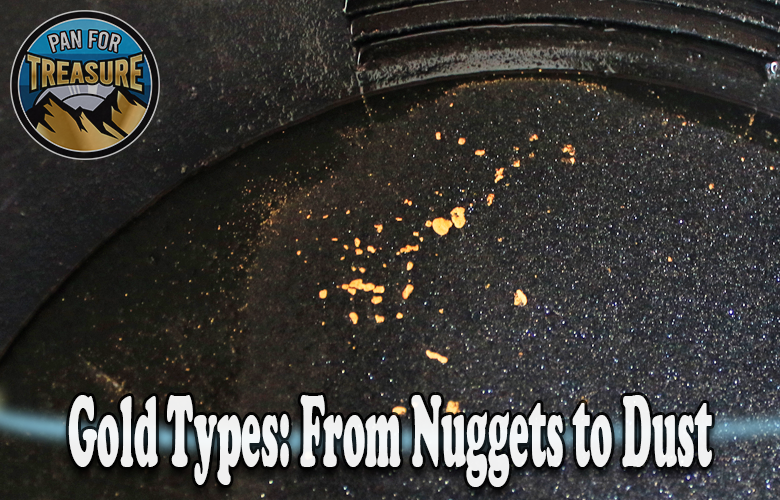
Gold types encompass an incredible variety of forms, from massive nuggets found in creek beds to microscopic particles that require specialized equipment to detect and recover.
Understanding the different gold types is essential for prospectors, collectors, and anyone involved in gold-related activities, as each type presents unique characteristics, recovery challenges, and value considerations.
This complete resource directory explores every form of gold you might encounter, from natural specimens to processed materials, helping you identify, understand, and work with various gold types effectively.
TL;DR – Gold Types
- Natural forms: Native gold, electrum, placer gold, and lode gold occur in nature
- Size categories: Nuggets (large), flakes (medium), fine gold (small), flour gold (microscopic)
- Purity levels: Native gold is purest, alloys contain other metals for different properties
- Commercial forms: Bullion, coins, jewelry, and industrial applications
- Recovery methods: Different types require specific techniques and equipment
- Value factors: Purity, rarity, size, and form affect gold’s worth
- Bottom line: Knowing gold types helps you identify finds, choose recovery methods, and understand value
Complete Directory of Gold Types
Gold, the precious metal that has captivated human imagination for millennia, comes in various forms and types, each with unique characteristics and properties. From natural deposits to manufactured products, understanding gold types opens the door to successful prospecting and informed collecting.

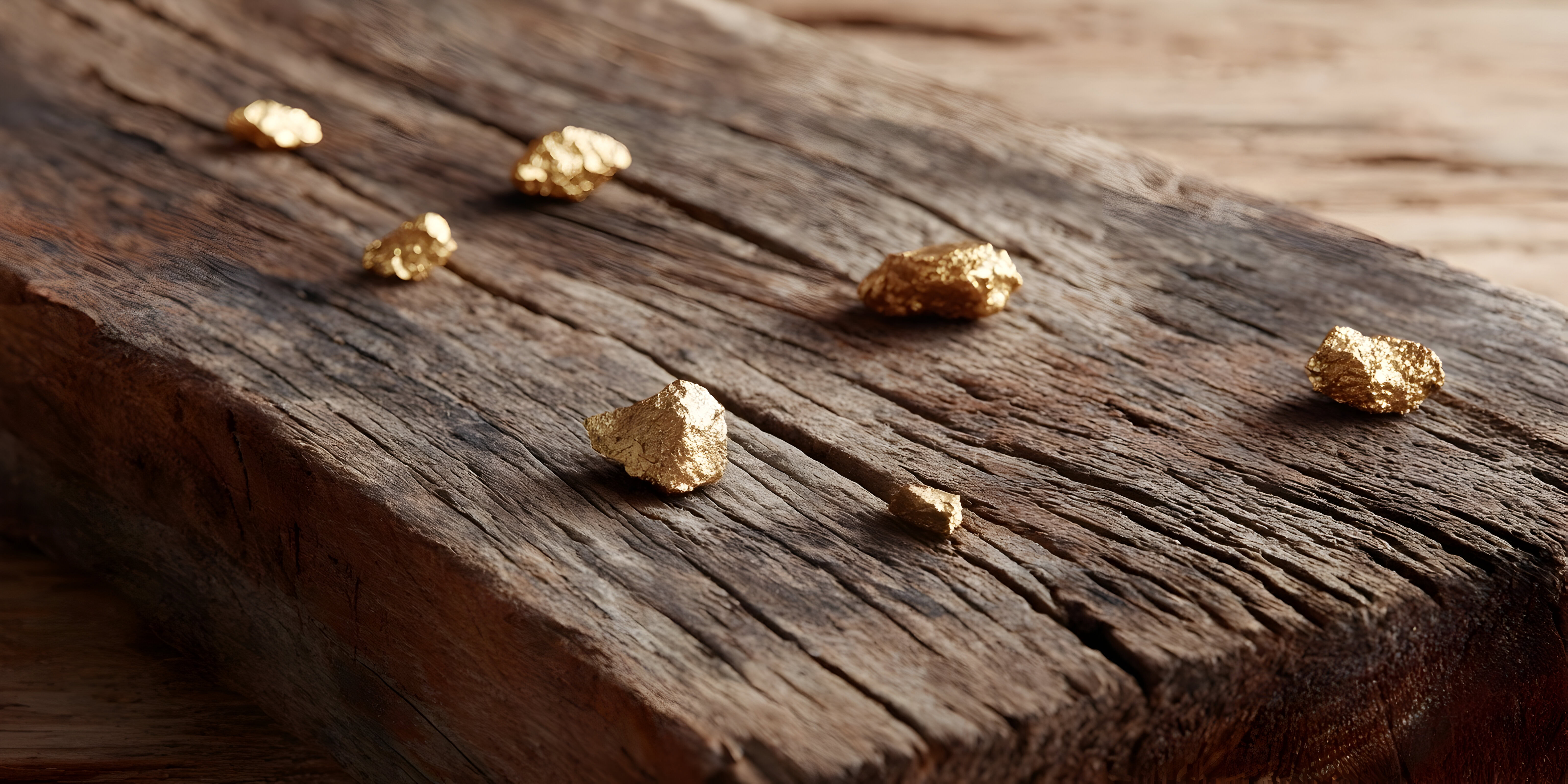
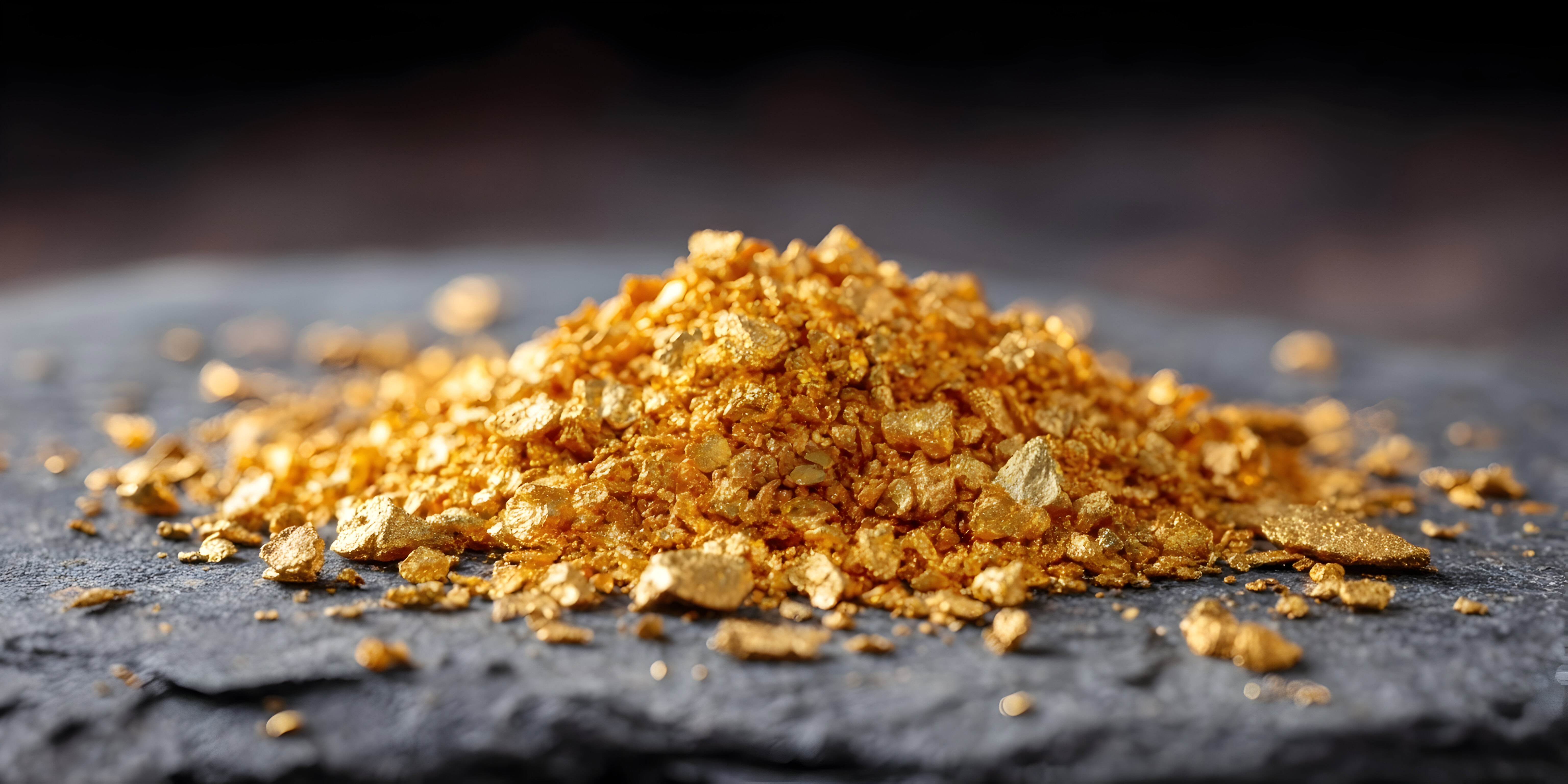
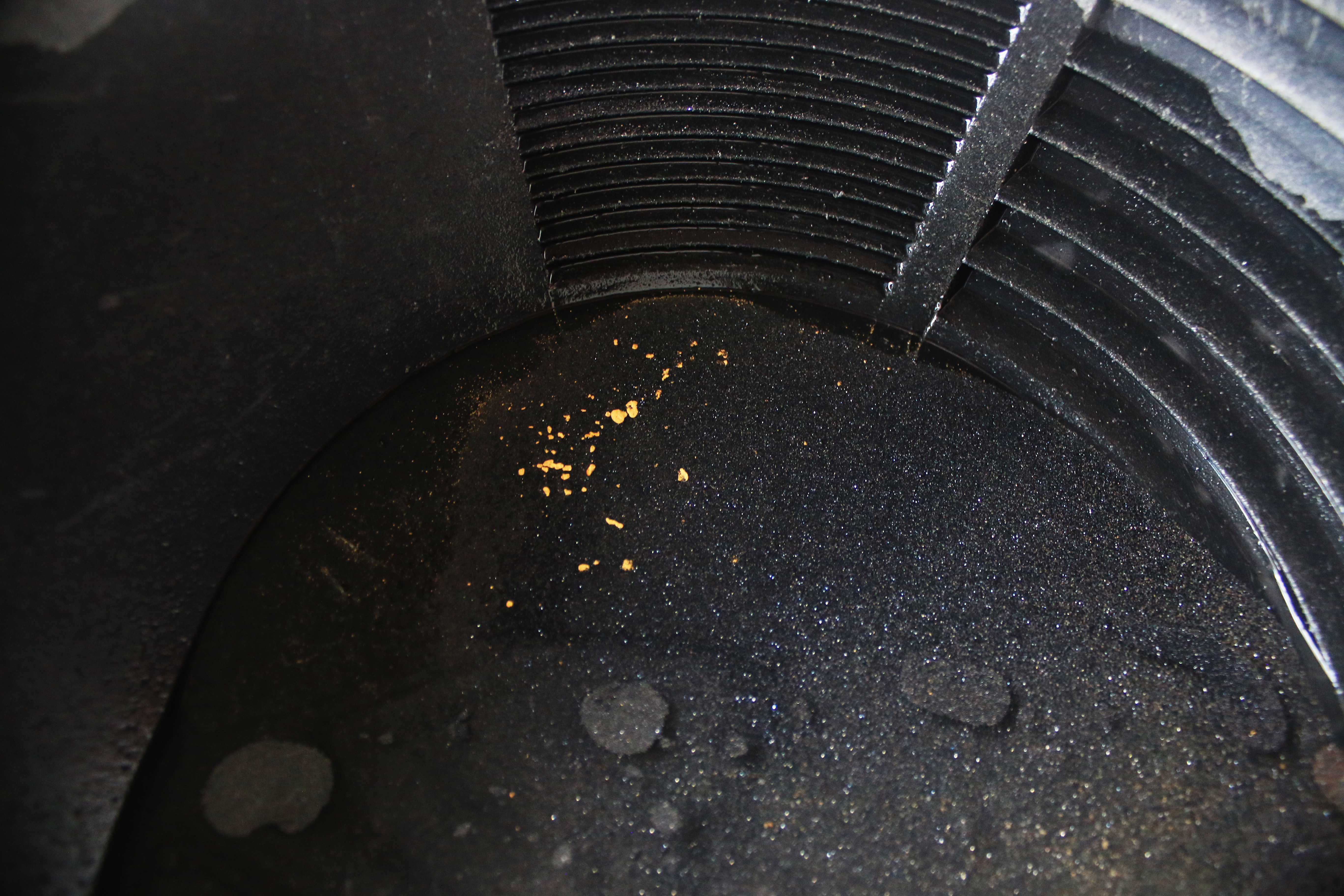
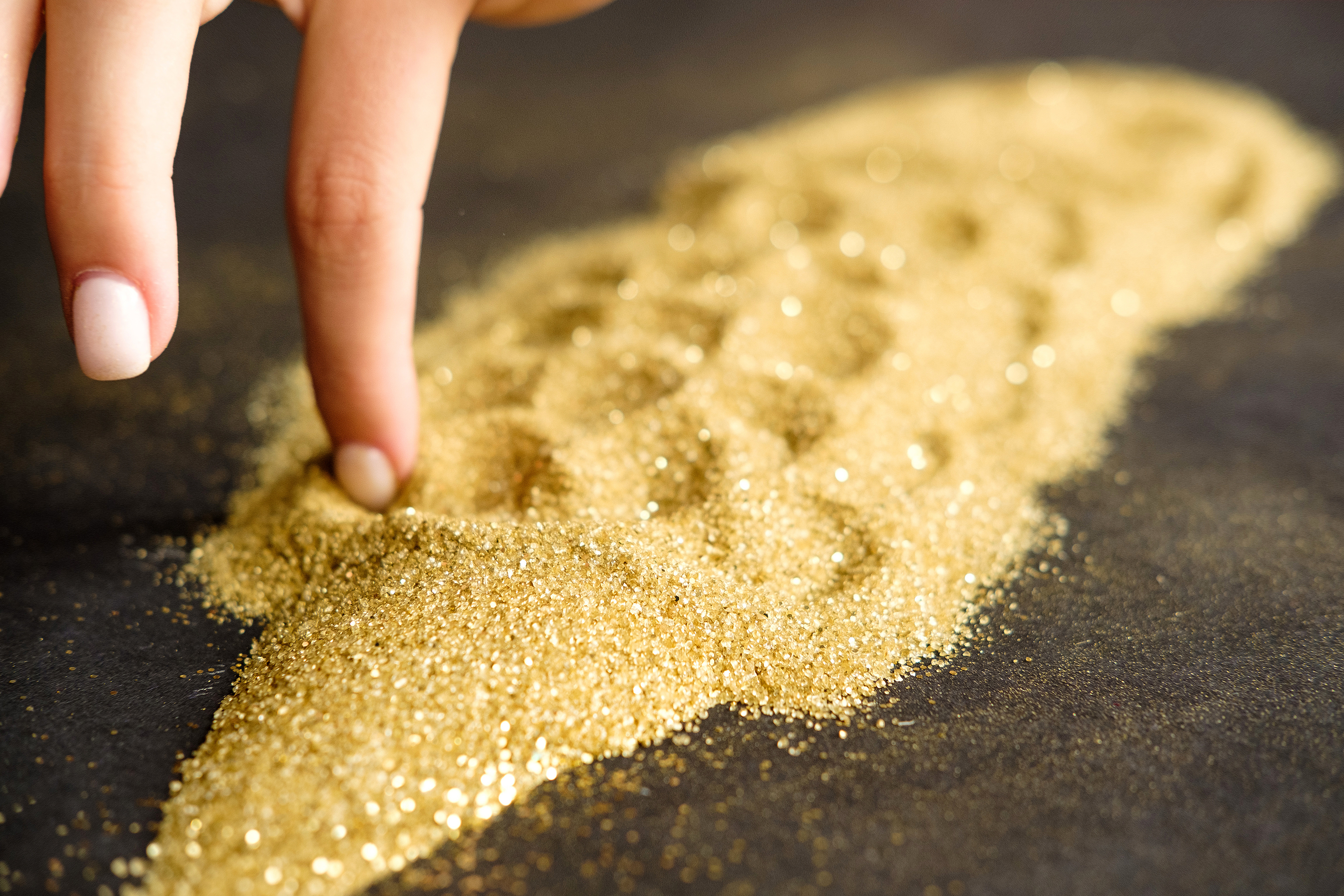
For detailed identification guidance, learn how to identify different forms of gold, including nuggets, placer gold, fine gold, and lode deposits, in this comprehensive gold types guide.
Natural Gold Types
Native Gold
Definition and Characteristics
- Pure form: Native gold is the purest form of gold found in nature, typically 95-99% pure
- Natural occurrence: Forms through geological processes without human intervention
- Crystal structure: Crystallizes in the cubic system, often forming dendritic or wire-like shapes
- Color variations: Ranges from bright yellow to pale yellow depending on silver content
Where Native Gold Occurs
- Quartz veins: Primary deposits within host rock formations
- Alluvial deposits: Weathered from primary sources and concentrated in waterways
- Associated minerals: Often found with quartz, pyrite, galena, or silver
- Global locations: Found on every continent except Antarctica
Collectibility and Value
- Specimen value: Natural gold specimens often worth more than melt value
- Rarity factors: Unique shapes and formations increase collector appeal
- Authentication: Natural gold shows specific characteristics distinguishing it from refined gold
- Market demand: High demand from collectors, museums, and investors
Electrum
Natural Alloy Properties
- Composition range: Gold content varies from 20% to 80%, with silver making up the balance
- Color variations: Pale yellow to silver-white depending on gold-silver ratio
- Hardness: Harder than pure gold due to silver content
- Natural occurrence: Forms when gold and silver deposit together in geological processes
Historical and Modern Significance
- Ancient coinage: First metal used for standardized currency in Lydia (modern Turkey)
- Greek and Roman use: Valued for its durability in monetary applications
- Modern applications: Used in specialized industrial applications requiring specific conductivity
- Prospecting indicator: Often signals presence of separate gold and silver deposits nearby
Gold by Physical Form and Size
Gold Nuggets
Size Classifications
- Large nuggets: Over 1 ounce (31.1 grams) – extremely rare and valuable
- Medium nuggets: 1-10 grams – collectible and sought after
- Small nuggets: 0.1-1 gram – common in productive areas
- Picker nuggets: Large enough to pick up with fingers or tweezers
Formation and Characteristics
- Primary formation: Develop in quartz veins through hydrothermal processes
- Secondary concentration: Enlarge through mechanical and chemical action in waterways
- Shape indicators: Angular shapes suggest nearby source, rounded indicates transport
- Surface features: Natural textures distinguish authentic nuggets from cast replicas
Gold Flakes and Flakes
Physical Characteristics
- Flat, thin pieces: Hammered flat by water action and transport
- Flexible nature: Bend rather than break when handled
- Size range: Typically 1-5mm in diameter
- Recovery methods: Panning and sluicing most effective
Formation Process
- Mechanical action: Tumbling in streams flattens gold particles
- Chemical weathering: Removes base metals, concentrating gold
- Hydraulic sorting: Water action separates gold from lighter materials
- Concentration zones: Accumulates in specific areas of waterways
Fine Gold and Flour Gold
Ultra-Fine Classifications
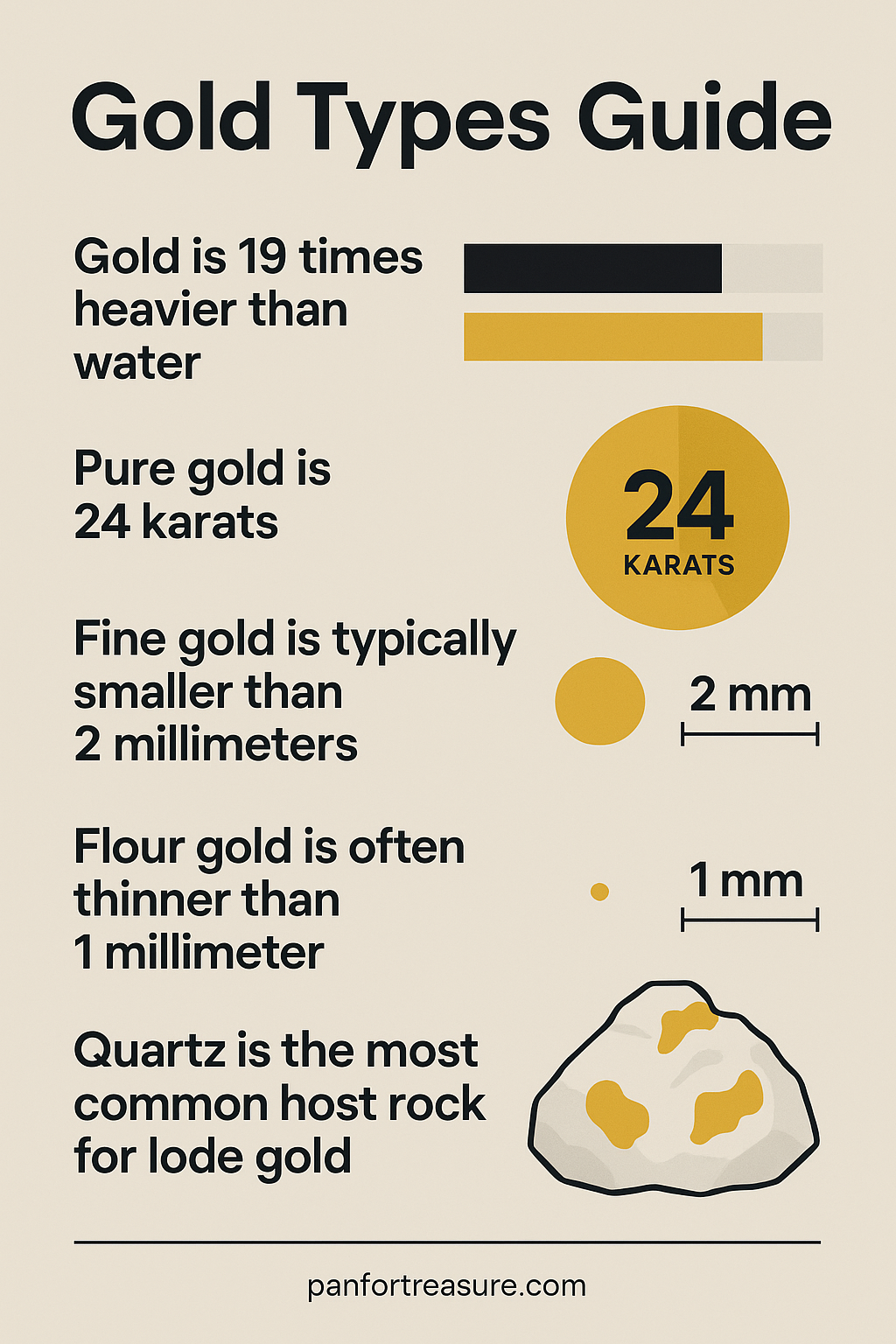
- Fine gold: 100-200 mesh size, visible but requires magnification
- Flour gold: 200+ mesh, extremely fine powdery gold
- Colloidal gold: Microscopic particles suspended in solution
- Micron gold: Measured in micrometers, requires specialized recovery
Recovery Challenges
- Standard panning limitations: Too fine for traditional panning methods
- Specialized equipment: Requires concentrators, blue bowls, or chemical methods
- Surface tension issues: Fine gold can float rather than settle
- Black sand association: Often found mixed with heavy minerals
Gold Types by Geological Origin
Placer Gold
Formation and Characteristics
- Secondary deposits: Weathered from primary lode sources and transported
- Alluvial concentration: Concentrated by water action in streams and rivers
- Glacial deposits: Moved and concentrated by glacial action
- Desert placers: Concentrated by wind action in arid environments
Common Locations
- Stream placers: Active and ancient waterways
- Beach placers: Coastal areas with heavy mineral concentration
- Bench placers: Ancient river terraces now elevated above current water levels
- Residual placers: Gold concentrated in place as host rock weathers away
Lode Gold
Primary Deposit Characteristics
- In-place formation: Original formation location within host rock
- Vein deposits: Concentrated in quartz or other mineral veins
- Disseminated deposits: Scattered throughout large rock formations
- Contact zones: Concentrated where different rock types meet
Mining and Recovery
- Hard rock mining: Requires blasting, crushing, and processing
- Processing complexity: Often requires chemical extraction methods
- Associated minerals: Found with sulfides, requiring specialized treatment
- Commercial operations: Typically requires large-scale industrial methods
Processed and Manufactured Gold Types
Gold Alloys
Common Jewelry Alloys
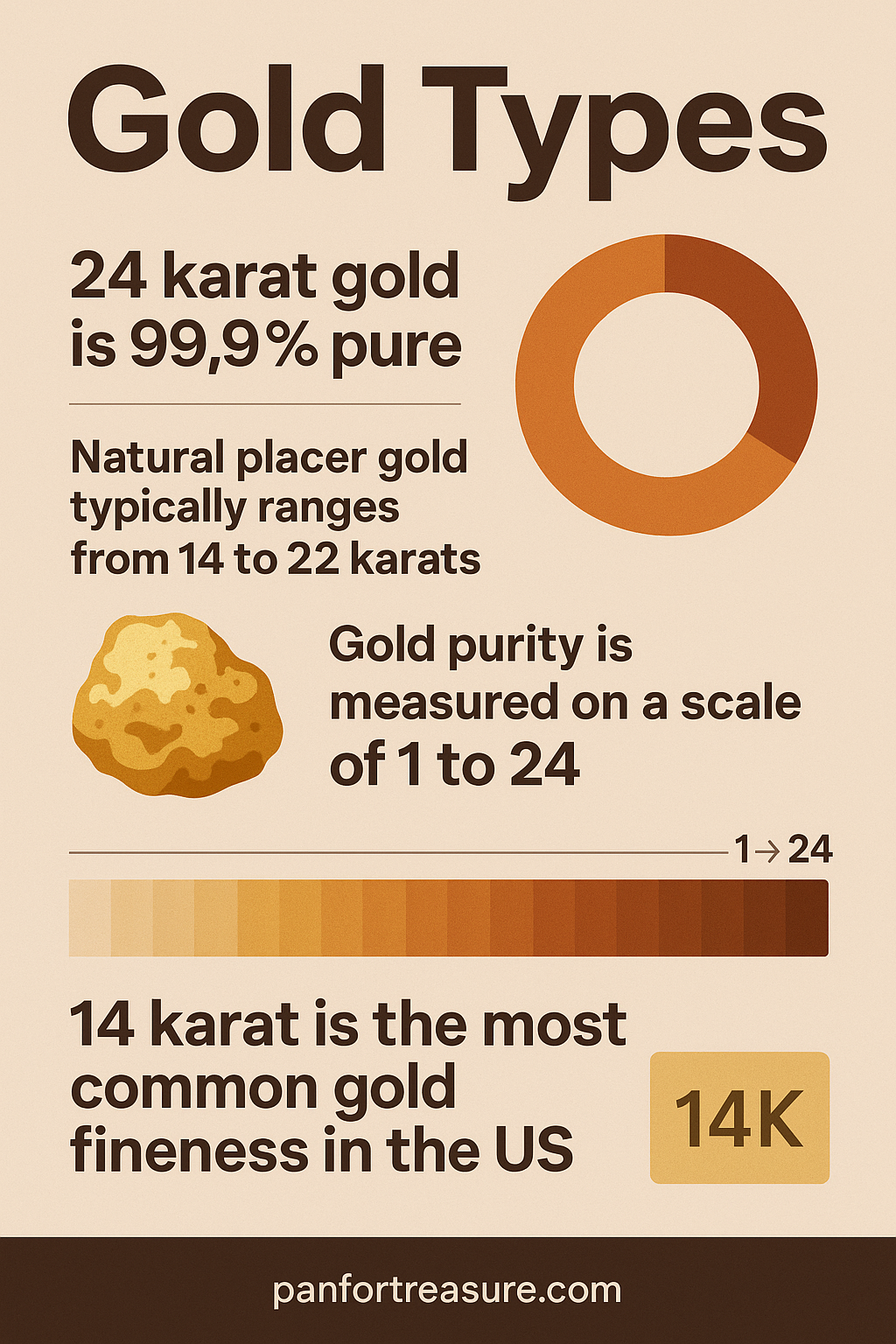
- 24K Gold: Pure gold (99.9%), soft and bright yellow
- 22K Gold: 91.7% gold, traditional in many cultures
- 18K Gold: 75% gold, optimal balance of purity and durability
- 14K Gold: 58.3% gold, popular for everyday jewelry
- 10K Gold: 41.7% gold, minimum legally called “gold” in US
Colored Gold Alloys
- White Gold: Gold alloyed with nickel, palladium, or platinum
- Rose Gold: Gold mixed with copper for pinkish color
- Green Gold: Gold alloyed with silver for greenish tint
- Black Gold: Surface treatments or alloys creating dark appearance
Gold Bullion
Investment-Grade Gold
- Purity standards: Typically 99.5% to 99.99% pure gold
- Weight standards: Measured in troy ounces (31.1 grams)
- Certification: Assayed and certified by recognized authorities
- Market recognition: Accepted in international precious metals markets
Popular Bullion Forms
- Gold bars: Range from 1 gram to 400-ounce Good Delivery bars
- Gold coins: American Eagle, Canadian Maple Leaf, South African Krugerrand
- Gold rounds: Coin-like products from private mints
- Fractional gold: Small denominations for affordable investment
Specialized Gold Applications
Gold Leaf and Foil
Ultra-Thin Gold Products
- Gold leaf: Hammered to 0.1-0.125 micrometers thick
- Thickness comparison: 250 times thinner than human hair
- Applications: Gilding, art, architecture, and restoration
- Handling requirements: Extremely delicate, requires specialized tools
Manufacturing Process
- Goldbeating: Traditional hammering technique
- Modern methods: Rolling and pressing with specialized equipment
- Purity requirements: Must be high-purity gold for proper workability
- Packaging: Interleaved with special papers to prevent sticking
Industrial Gold
Electronic Applications
- Circuit boards: Gold plating for corrosion resistance and conductivity
- Connectors: Gold-plated contacts for reliable electrical connections
- Semiconductors: Gold wire bonding in integrated circuits
- Aerospace: Critical components requiring ultimate reliability
Medical and Dental Uses
- Dental restorations: Gold alloys for crowns, bridges, and inlays
- Medical implants: Biocompatible gold components
- Pharmaceutical applications: Gold compounds in specialized treatments
- Diagnostic equipment: Gold nanoparticles in medical testing
Identification and Testing Methods
Visual Identification
Color and Appearance
- True gold color: Rich, buttery yellow that doesn’t tarnish
- Metallic luster: Bright, reflective surface when clean
- Malleability test: Real gold bends without breaking
- Density feel: Gold feels noticeably heavy for its size
Common Gold Look-Alikes
- Pyrite (Fool’s Gold): Brittle, sulfur smell when struck
- Chalcopyrite: More iridescent, softer than pyrite
- Mica flakes: Very light, flaky, not metallic
- Brass and bronze: Duller color, may show green oxidation
Scientific Testing Methods
Acid Testing
- Nitric acid test: Gold resists nitric acid, other metals react
- Electronic gold testers: Non-destructive electronic analysis
- X-ray fluorescence: Precise elemental composition analysis
- Fire assay: Most accurate method for determining gold content
Physical Property Tests
- Specific gravity: Gold’s density is 19.3 g/cm³
- Hardness testing: Gold rates 2.5-3 on Mohs scale
- Magnetic testing: Pure gold is not magnetic
- Streak testing: Gold leaves a golden-yellow streak
Value Considerations by Gold Type
Factors Affecting Gold Value
Purity and Content
- Gold content percentage: Higher purity commands premium prices
- Alloy metal values: Silver, platinum, palladium add value
- Certification importance: Documented purity increases marketability
- Refining costs: Processing expenses reduce net value
Form and Rarity
- Natural specimens: Often worth more than melt value
- Size premiums: Large nuggets command collector premiums
- Historical significance: Provenance can dramatically increase value
- Artistic merit: Unique shapes and formations add premium
Recovery Methods by Gold Type
Traditional Methods
Panning Effectiveness
- Best for: Nuggets, flakes, and coarse gold
- Limitations: Fine gold recovery rates are low
- Technique importance: Proper motion critical for retention
- Equipment variations: Different pan designs for different gold types
Sluicing and High-Banking
- Volume processing: Handle larger quantities of material
- Size limitations: Most effective on medium to coarse gold
- Mat selection: Different materials trap different gold sizes
- Water requirements: Adequate flow essential for operation
Modern Recovery Techniques
Specialized Equipment
- Blue bowls: Concentrate fine gold using water spiral action
- Shaking tables: Use vibration and water flow for separation
- Centrifugal concentrators: Use centrifugal force for fine gold recovery
- Electronic recovery: Detect and concentrate gold electronically
Chemical Methods
- Mercury amalgamation: Historical method, now banned in many areas
- Cyanide processing: Industrial method for fine gold extraction
- Acid dissolution: Separate gold from other metals chemically
- Environmental considerations: Modern methods emphasize safety and ecology

Frequently Asked Questions
What are the main types of gold found in nature?
The main natural gold types are native gold (pure gold nuggets and flakes), electrum (natural gold-silver alloy), placer gold (transported and concentrated by water), and lode gold (still embedded in host rock formations).
How can I tell the difference between real gold and fool’s gold?
Real gold is soft, malleable, heavy, and doesn’t tarnish. Fool’s gold (pyrite) is brittle, lighter, may have a sulfur smell when struck, and often shows cubic crystal shapes. Real gold also resists acid while pyrite reacts.
What’s the difference between placer gold and lode gold?
Placer gold has been weathered from its original source and transported by water, wind, or ice to new locations. Lode gold remains in its original formation within host rock and typically requires hard rock mining to extract.
Why is fine gold so difficult to recover?
Fine gold is challenging because it’s so small and light that surface tension can cause it to float rather than settle. It also gets mixed with black sand and other heavy materials, requiring specialized equipment like blue bowls or centrifugal concentrators.
What makes some gold more valuable than its melt price?
Natural gold specimens, especially large nuggets or unusually shaped pieces, often have collector value beyond their gold content. Rarity, size, beauty, historical significance, and provenance can all add premium value.
How pure is natural gold compared to refined gold?
Natural gold typically ranges from 70-95% pure, with silver being the most common impurity. Refined gold can reach 99.99% purity through industrial processes. The natural impurities often give natural gold its distinctive color variations.
Conclusion
Understanding the various gold types opens up a world of possibilities for prospectors, collectors, and gold enthusiasts.
Whether you’re panning for placer gold in a mountain stream, collecting native gold specimens, or investing in gold bullion, each type of gold offers unique characteristics, challenges, and rewards. The key to success lies in understanding how different gold types form, where they’re found, and the best methods for recovery and evaluation.
Gold types continue to fascinate us with their diversity and beauty, from microscopic flour gold that challenges our recovery skills to massive nuggets that capture our imagination. By understanding these different forms, you can become a more successful prospector, a more informed collector, and a more knowledgeable participant in the world of gold.
Sources and References
- United States Geological Survey – Gold and Mineral Information
- National Institute of Standards and Technology – Precious Metals Standards
- London Bullion Market Association – Gold Standards and Testing
- Mindat.org – Mineral Database and Information
- USGS Publications – Gold Geology and Occurrence
- Gold Prospectors Association – Educational Resources
Information verified as of February 2026. Gold market standards and classifications subject to change.
Pins for Pinterest
If you like what you see, feel free to share some love on Pinterest ❤️
Subscribe to Our Newsletter