Advanced gold panning techniques are what you reach for when the easy gold is gone and conditions turn difficult: packed clay, heavy black sand, super-fine flour gold, cold or murky water, and ground that has already been worked by others. The basics still apply, but refining your classification, your motion, and your finishing work lets you pull gold out of situations where average panners give up. This is where skill truly pays off.
TL;DR
- Fine-tune classification: multiple screen sizes let you handle each fraction perfectly.
- Beat black sand: magnets and careful finishing separate heavy sand from fine gold.
- Break up clay: packed material traps gold, so work it apart before panning.
- Master flour gold: the tiniest flakes need gentle motion and reduced surface tension.
- Work tough conditions: adapt technique for murky, cold, or worked-over ground.
- Finish carefully: save delicate final cleanup for clear, controlled conditions.
Featured
Advanced Classification
Beginners screen to one size; advanced panners classify into several. Separating your material into multiple size fractions means you can handle each one with the technique that suits it, coarse material fast and aggressive, flour gold slow and gentle.
Running everything together forces a compromise that loses the finest gold. By splitting sizes, you stop letting the needs of coarse gravel dictate how you treat delicate flour gold, and your overall recovery climbs noticeably.
| Size Fraction | How to Handle It | Why |
|---|---|---|
| Coarse | Faster, more aggressive panning | Heavy gold settles easily |
| Medium | Standard settle-and-wash rhythm | Balanced, reliable recovery |
| Fine | Slow, gentle motion | Prevents flushing light flakes |
| Flour gold | Very gentle, reduced surface tension | Tiniest flakes float away easily |
Beating Black Sand and Clay
Two things frustrate advanced panners more than anything: heavy black sand that concentrates right alongside your gold, and sticky clay that locks gold away. Both need dedicated handling.
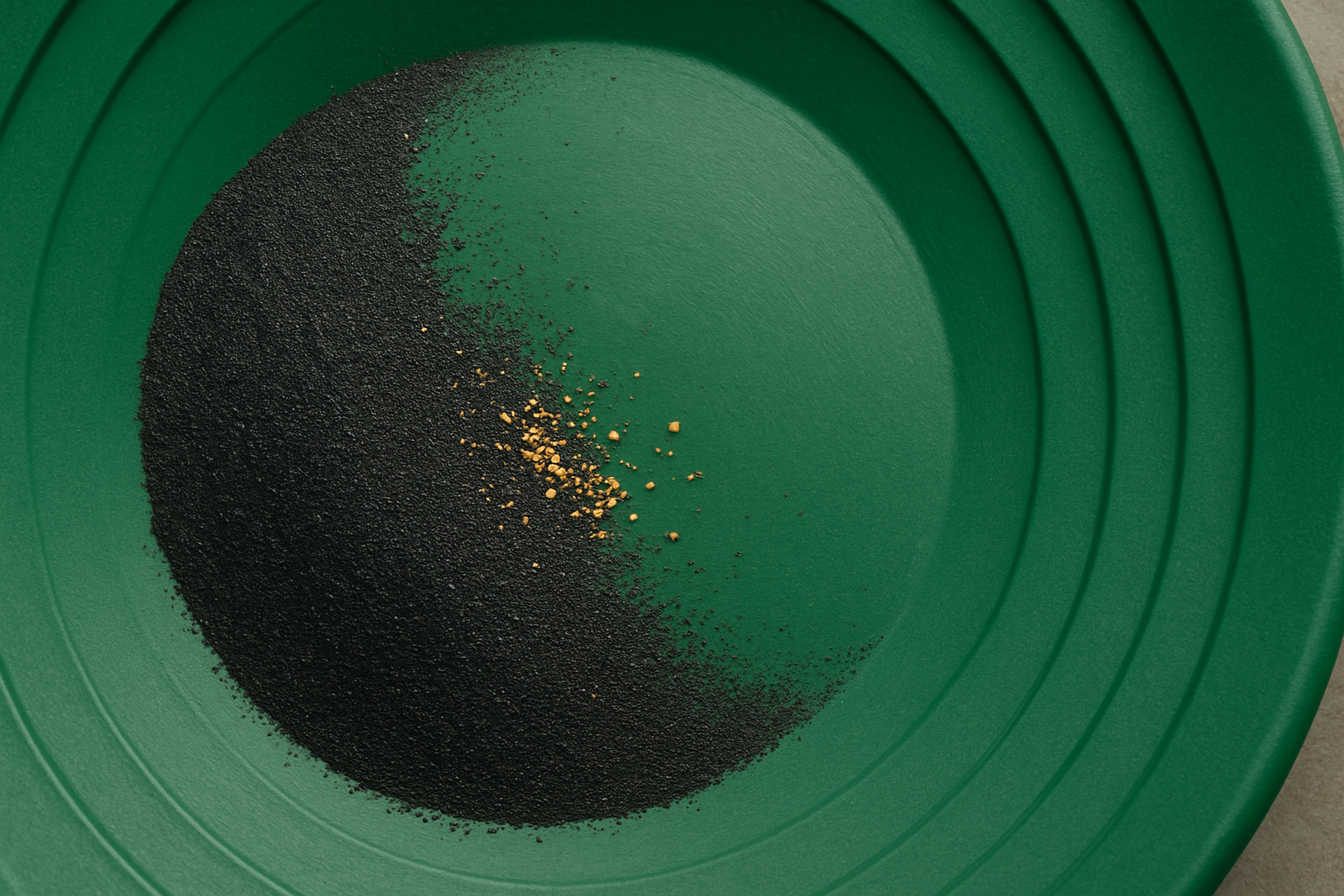
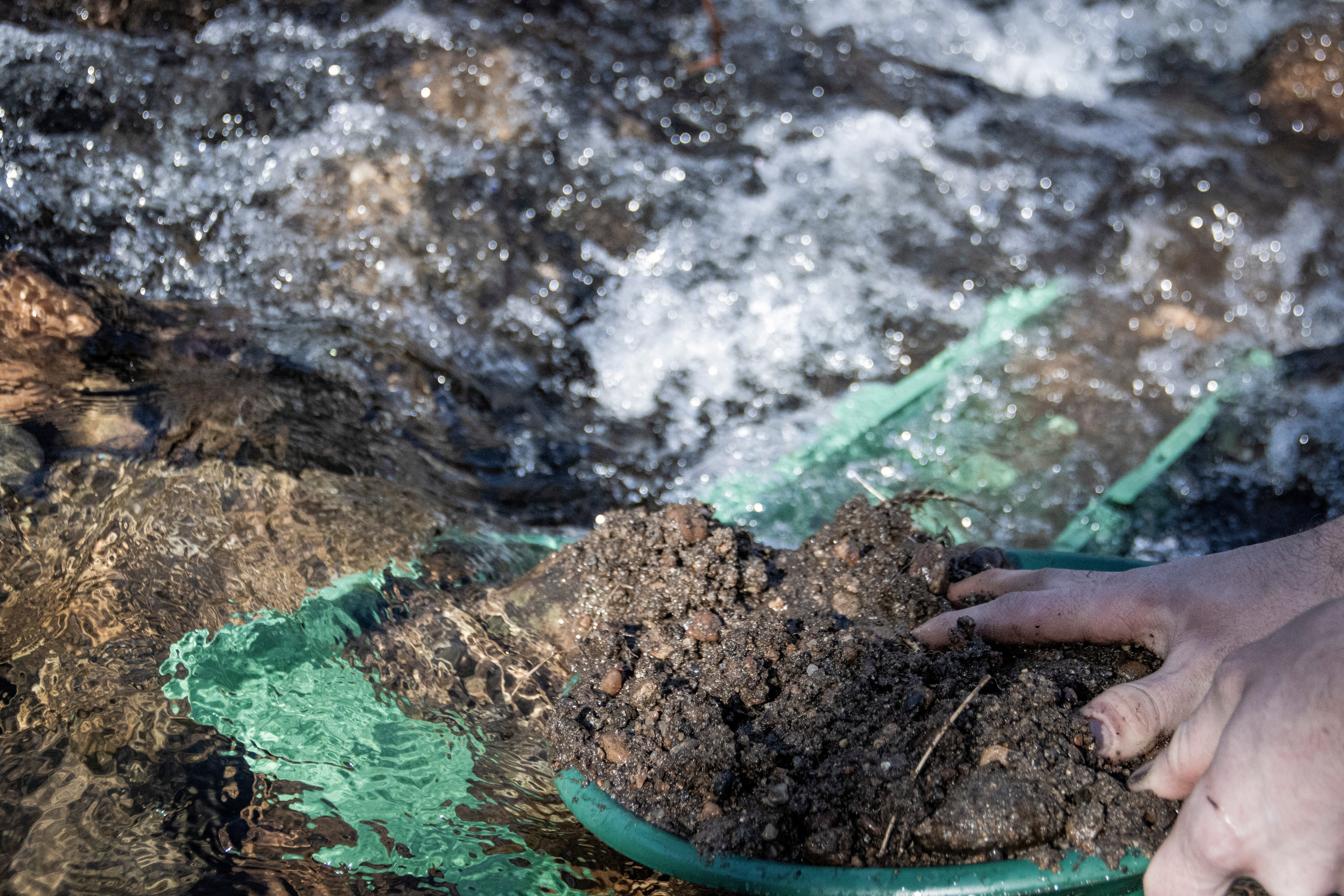
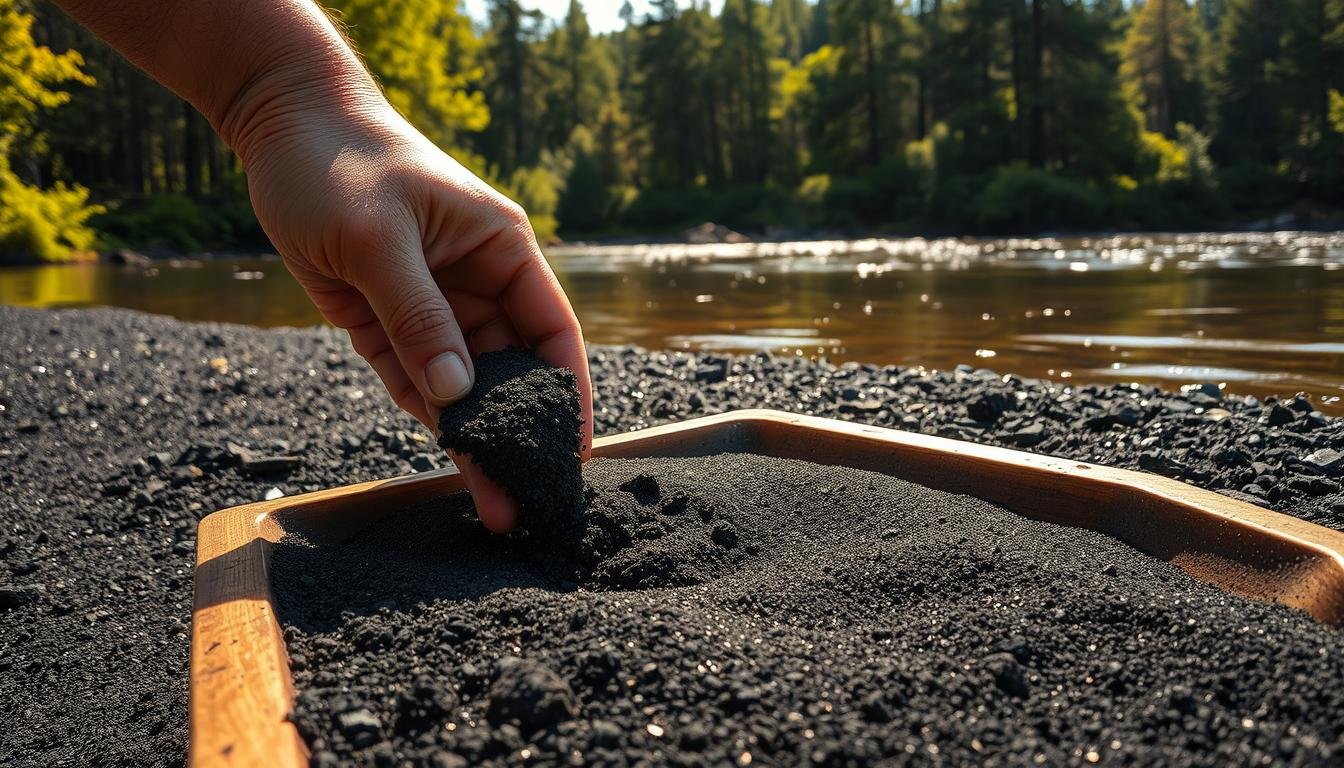
For black sand, a rare-earth magnet pulls out the magnetic portion during cleanup, leaving your gold much easier to isolate. For clay, the key is to break the packed material apart thoroughly in water before you start panning, since any clay clump can carry gold straight over the edge undetected.
- Soak and break up clay by hand until the material is fully loose.
- Classify the loosened material to remove oversize rocks.
- Pan down to your heavy concentrate as usual.
- Use a magnet to remove magnetic black sand from the concentrate.
- Finish the remaining non-magnetic material carefully to isolate the gold.
Mastering Flour Gold
The finest gold, often called flour gold, is where advanced technique earns its keep. These flakes are so light that water’s surface tension can float them right out of the pan, so they demand the gentlest handling.
Work flour gold slowly with minimal, smooth motion, and give the material plenty of time to settle. A drop of rinse aid in your finishing water lowers the surface tension so tiny flakes sink instead of floating. Keep more concentrate than usual and finish it under controlled conditions where you can see and protect every speck.
- Classify flour gold away from coarser material and handle it separately.
- Use very gentle, deliberate motion and long settling pauses.
- Add a drop of rinse aid to reduce surface tension in the finishing dish.
- Use a smooth-bottomed pan or dish so flakes do not cling.
- Do the final separation in clear, calm water for maximum recovery.
Recommended Reading
Working Tough and Worked-Over Ground
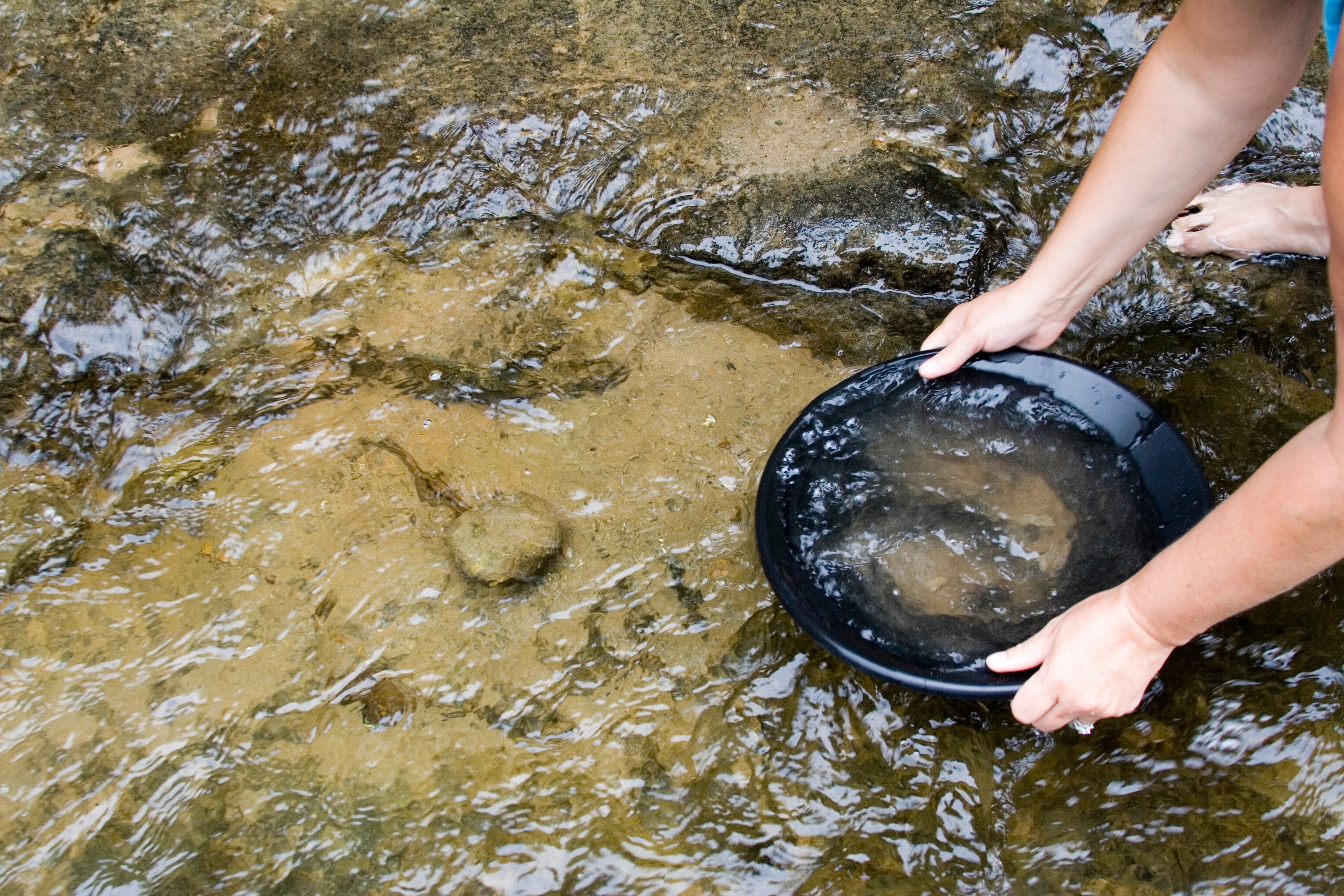
Advanced panning also means adapting to conditions that stop most people. Murky water calls for working by feel with a slower, more deliberate motion and saving cleanup for clear water. Cold water calls for warm layers, good gloves, and shorter sessions so numb hands do not cause mistakes.
Ground that others have already worked is not necessarily empty, either. Previous prospectors often leave fine gold behind, and floods reshuffle deposits, so patient, refined technique on picked-over spots can still pay. Throughout, mind your footing and the current, do not work alone in remote areas, and always confirm you have legal access before digging.
Tips and Tricks
Resources for Advanced Prospecting
- U.S. Geological Survey (USGS) – Maps and geologic information on gold-bearing streams and districts.
- USGS Mineral Resources Online Spatial Data – Searchable maps of documented gold occurrences.
- USGS Water Data for the Nation – Streamflow data for judging safe, workable conditions.
- Bureau of Land Management (BLM) – Land status and rules for prospecting on public lands.
- Gold Prospectors Association of America (GPAA) – Clubs, claims, and education for prospectors.
Conclusion
When conditions get hard, refined technique is what keeps the gold coming. Classify into multiple sizes, defeat black sand with a magnet, break up clay before panning, handle flour gold with the gentlest touch, and adapt to murky, cold, or worked-over ground.
These are the moves that recover gold others walk away from, all while working safely and legally. Build them into your routine and you will have truly mastered advanced gold panning techniques.
Frequently Asked Questions – Advanced Gold Panning Techniques
What separates advanced panning from basic panning?
Advanced panning refines every step, classifying into multiple sizes, defeating black sand and clay, handling flour gold gently, and adapting to tough conditions, so you recover gold in situations where basic technique falls short.
Why classify into multiple sizes?
Each size fraction pans best with a different touch, coarse material fast, flour gold gentle. Splitting sizes lets you treat each one correctly instead of compromising, which noticeably improves your recovery of the finest gold.
How do I deal with heavy black sand?
Pan down to your concentrate, then use a rare-earth magnet to pull out the magnetic black sand. Removing it leaves the remaining non-magnetic material much easier to finish and your gold far simpler to isolate.
Why is clay such a problem?
Sticky clay locks gold inside packed clumps that can float right over the pan’s edge undetected. Breaking the material apart thoroughly in water before panning frees the trapped gold so it can settle properly.
What is flour gold and why is it hard?
Flour gold is the finest gold, so light that water’s surface tension can float it out of the pan. It needs very gentle motion, long settling pauses, and a drop of rinse aid to help the tiny flakes sink.
Can I still find gold in worked-over spots?
Often, yes. Previous prospectors leave fine gold behind, and floods reshuffle deposits. Patient, refined technique on picked-over ground can still produce, so do not assume a well-known spot is completely empty.
How should I adapt to murky or cold water?
In murky water, work by feel with slower motion and save cleanup for clear water. In cold water, wear warm layers and good gloves and keep sessions short, since numb hands lead to costly mistakes.
What safety points matter for advanced panning?
Watch your footing and the current, dress for cold water, keep sessions manageable, and avoid working alone in remote areas. And always confirm you have legal access before digging any spot, no matter how promising.
Keep Exploring
For the bigger picture, start with our Gold Panning Tips and Tricks guide.
⛏ Recommended Gear ⛏


* As an Amazon Associate I earn from qualifying purchases at no extra cost to you.
Subscribe to Our Newsletter

Ryan Conlon is the founder of Pan for Treasure.
A lifelong gold panning enthusiast, he created this site to help beginners learn the ropes and share practical tips from his own time on the creek. [email protected]