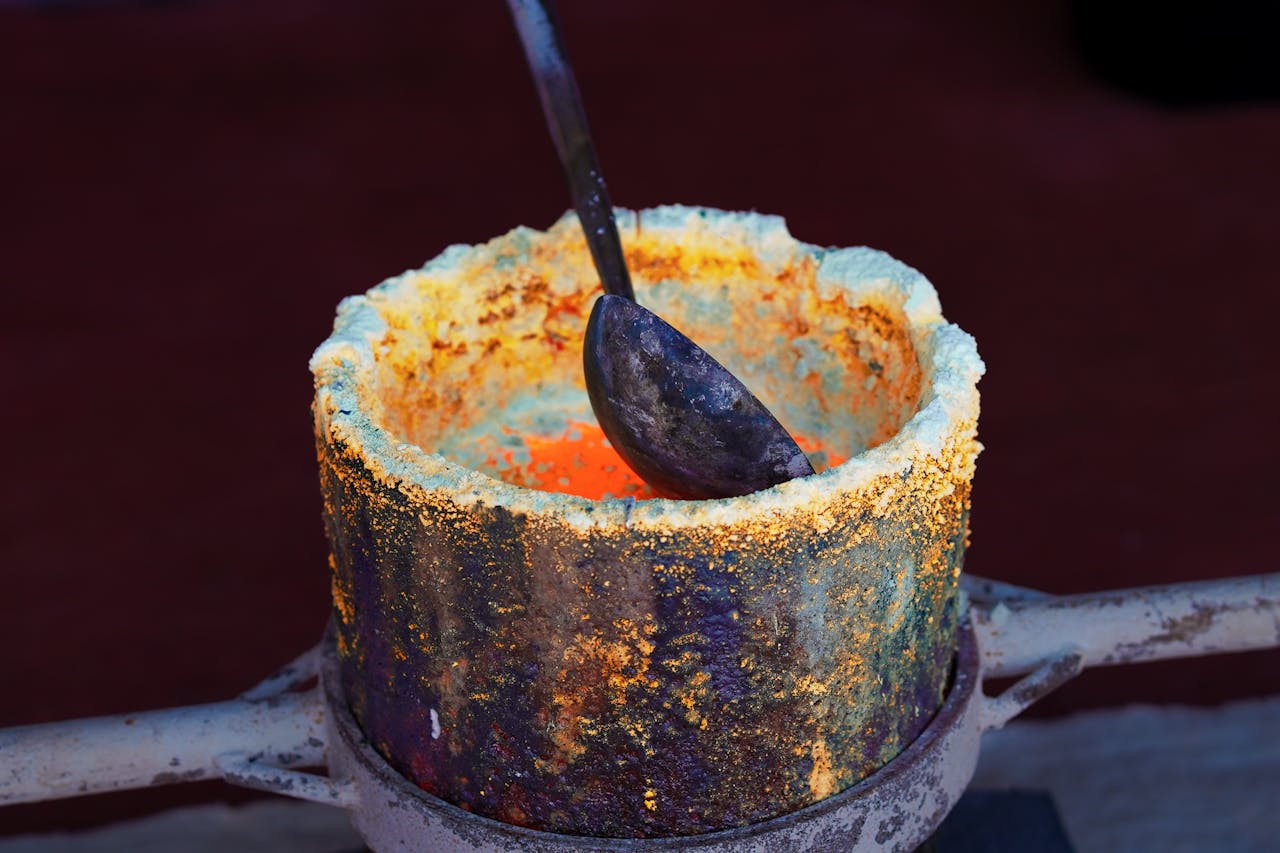
Gold refining and extraction methods are how raw gold, whether it comes from ore or from the flakes and nuggets a prospector recovers, is turned into pure metal. It helps to understand what these methods are and how they differ, but it is just as important to understand that the industrial processes involved are hazardous, heavily regulated, and generally best left to professional refiners. For most hobby prospectors, the practical path is knowing enough to make smart, safe choices about what to do with the gold they find.
TL;DR
- Extraction vs refining: extraction frees gold from ore; refining purifies gold that has already been recovered.
- Industrial methods are hazardous: leaching and acid refining use dangerous, regulated chemicals and are not DIY projects.
- Mercury is dangerous and restricted: historic amalgamation is toxic, environmentally harmful, and often illegal today.
- Hobbyists have simple options: most prospectors sell or send concentrate to a professional refiner.
- Assaying tells you what you have: professional testing measures purity before refining or sale.
- Safety and legality first: know the rules and the risks before going near any refining chemistry.
Featured
Extraction Versus Refining
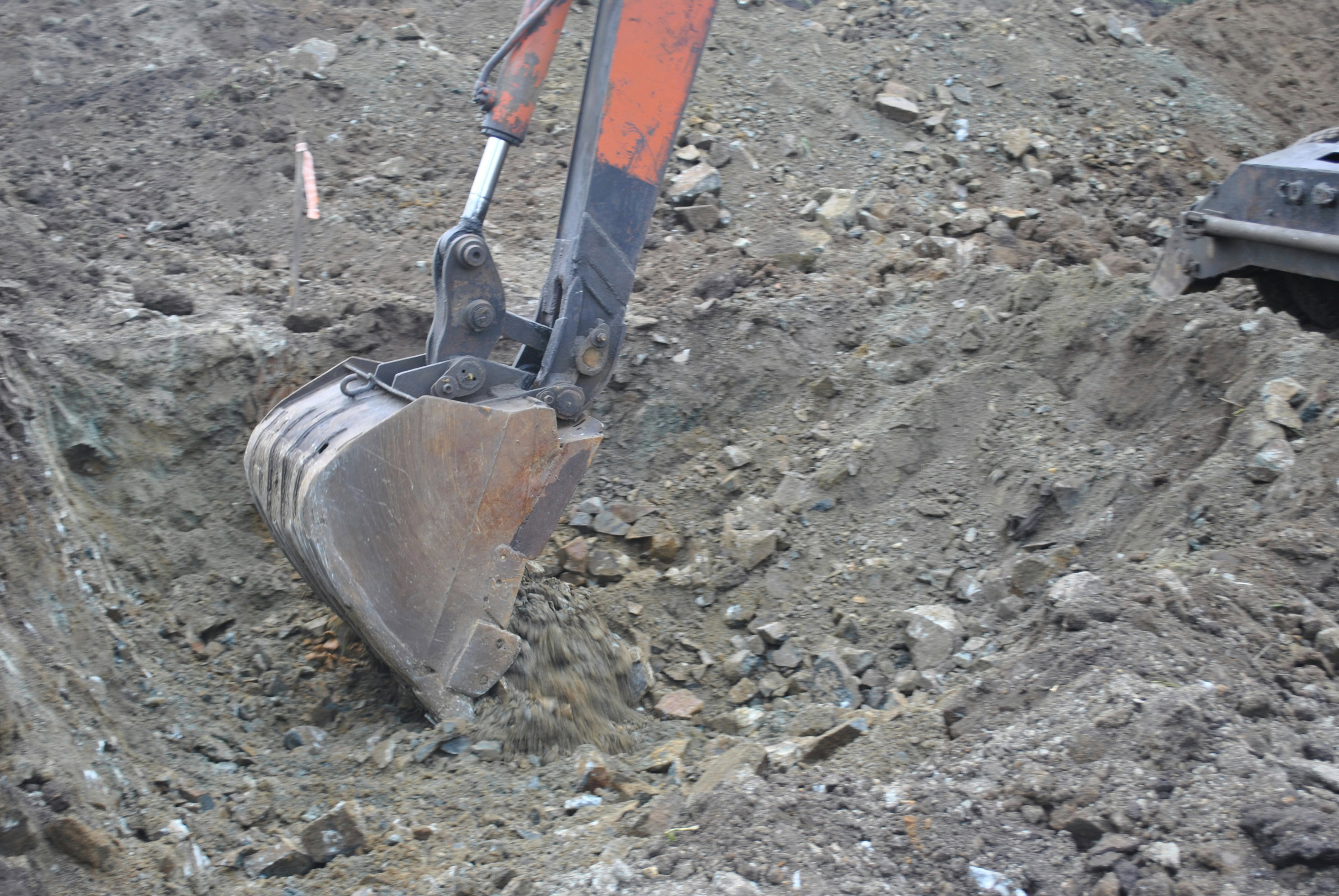
People use these terms loosely, but they describe two different stages. Extraction is about liberating gold that is still locked inside rock or ore. Refining is about taking gold that has already been recovered and raising it to high purity by removing the other metals mixed in with it.
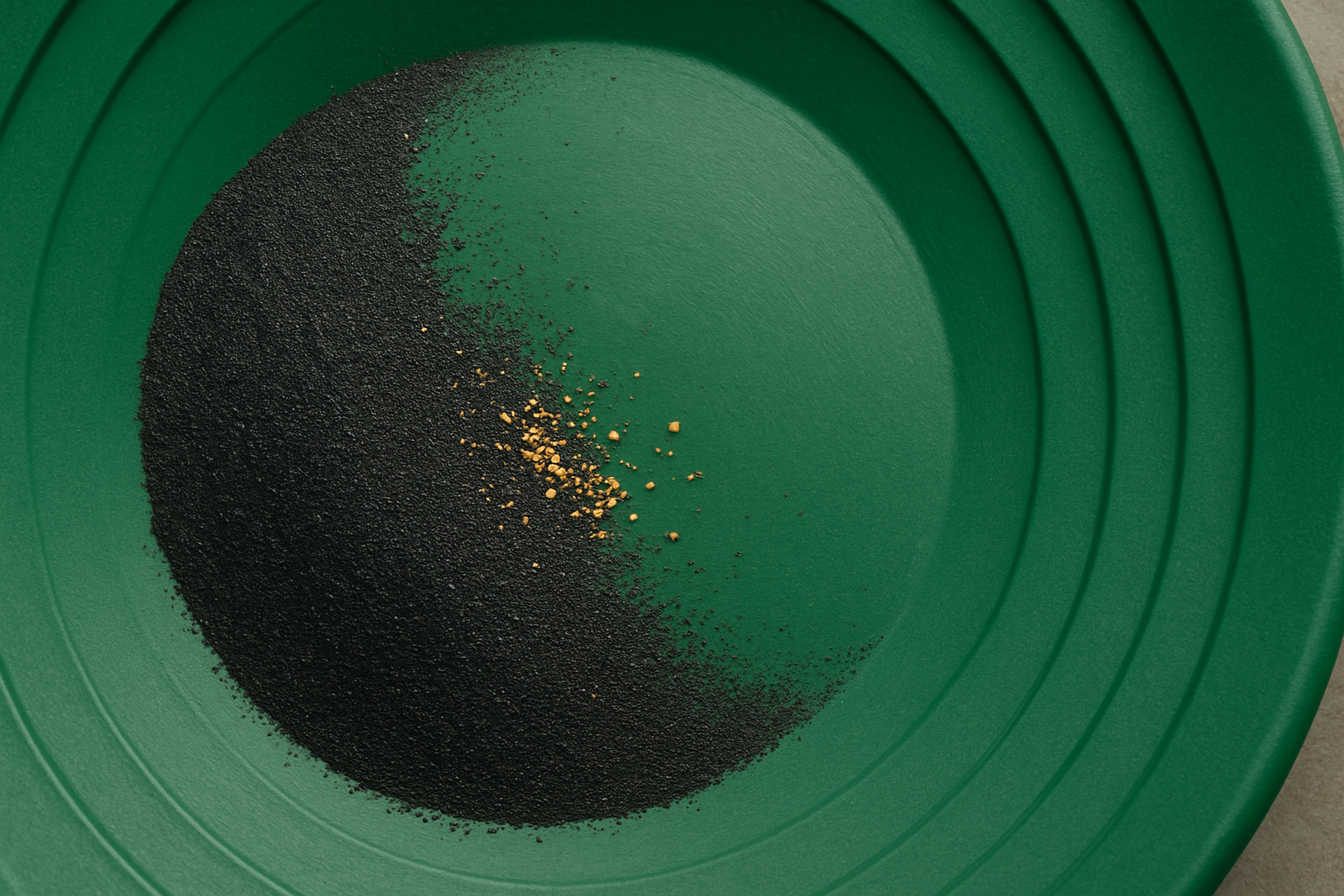
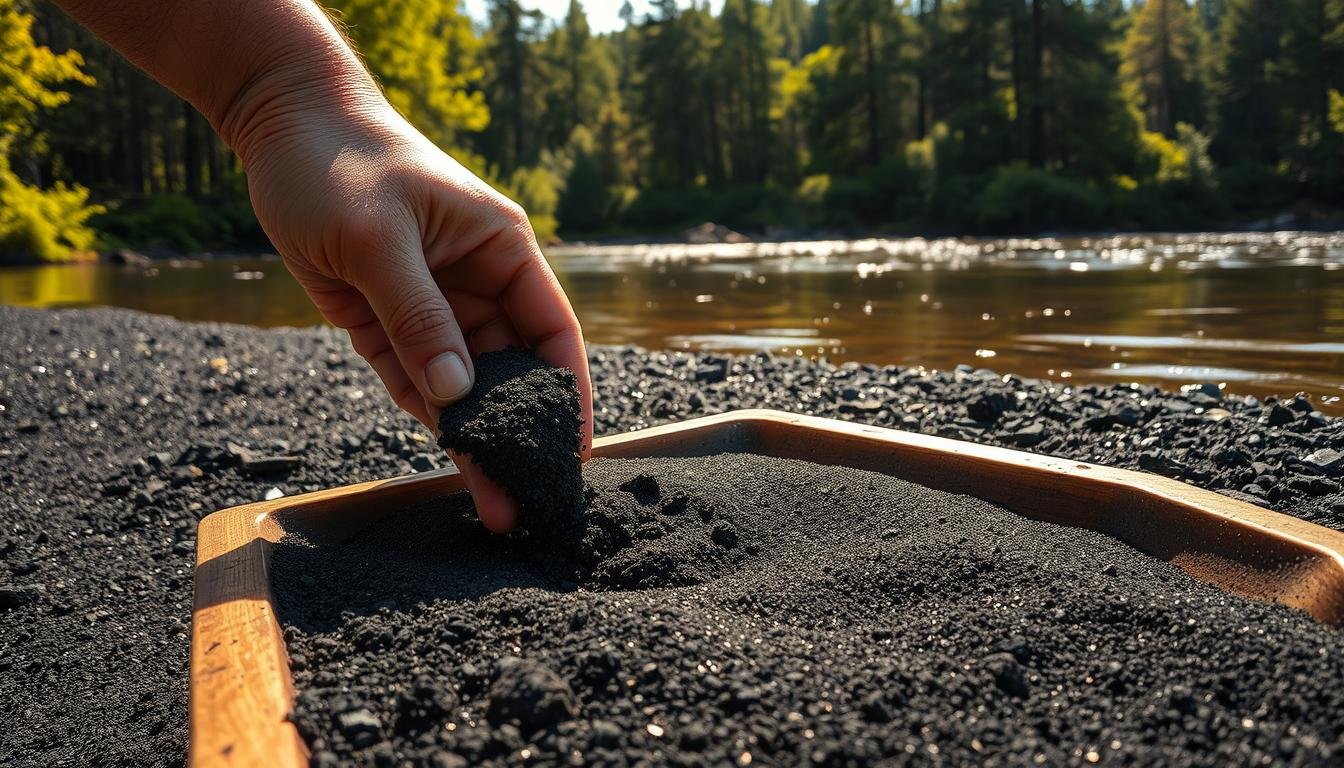
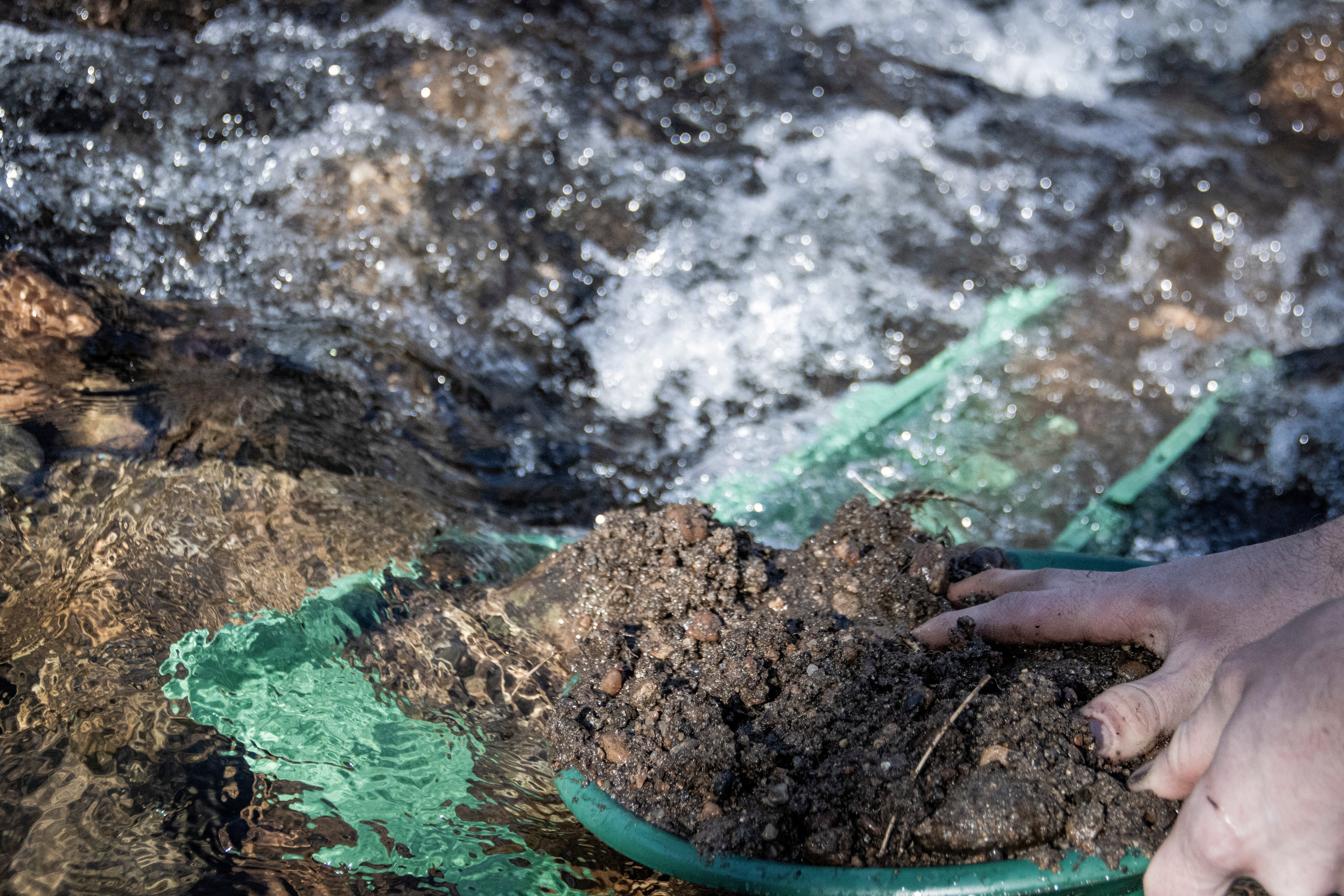
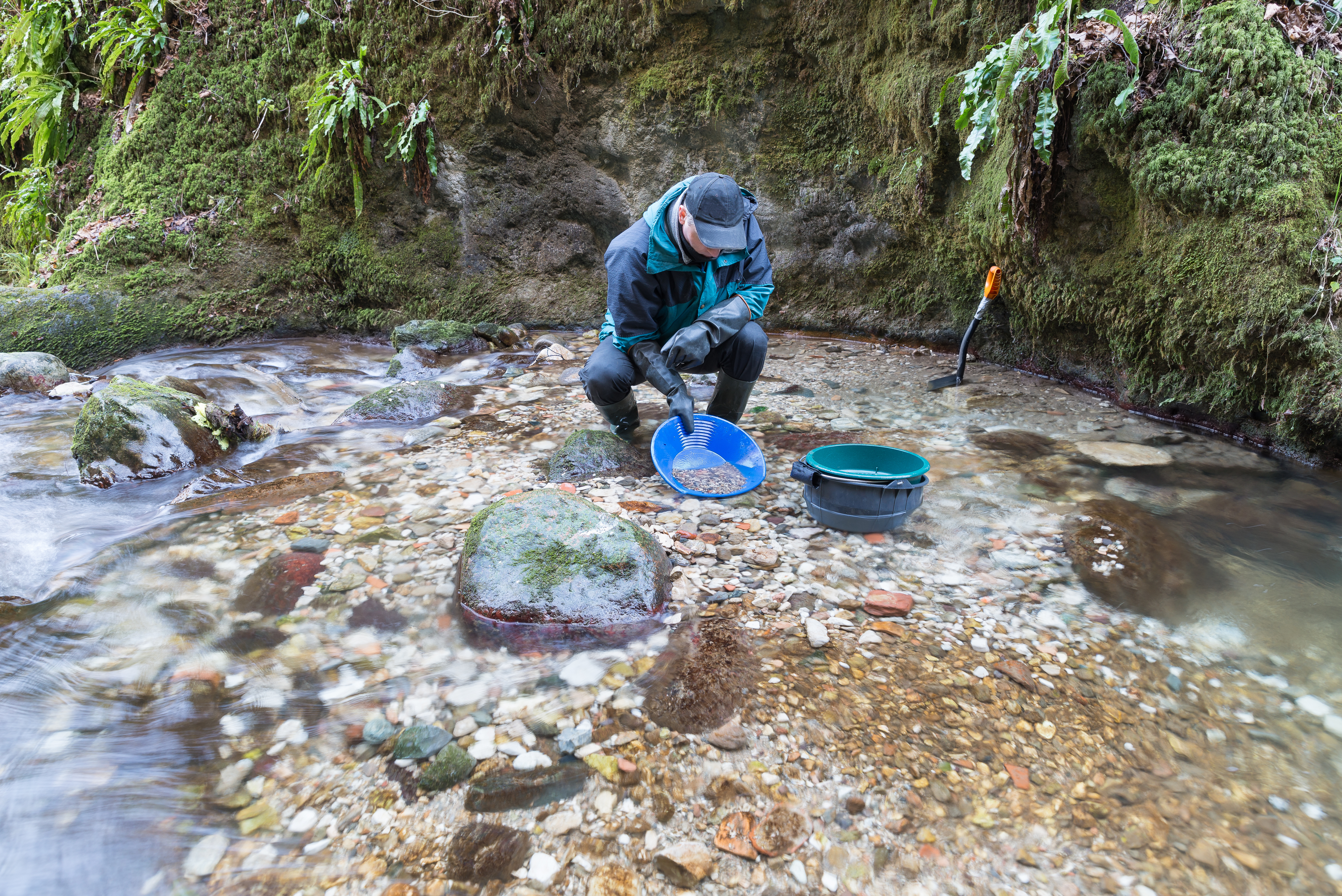
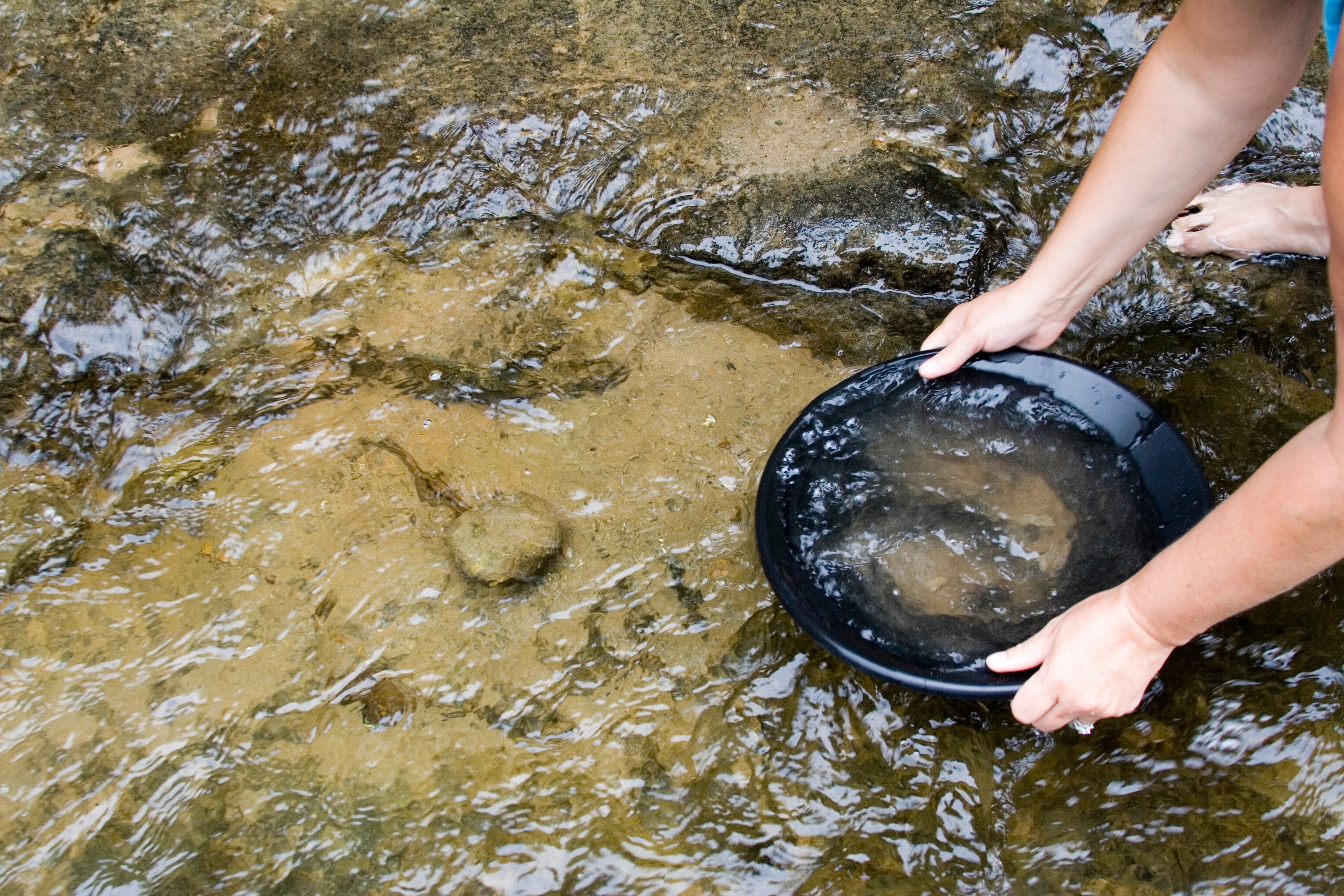
A recreational prospector working a stream is usually dealing with placer gold that is already relatively pure metal, so extraction from ore rarely enters the picture. Refining, in the sense of getting your recovered gold to a sellable or high-purity form, is the more relevant idea, and even that is most often handled by a professional.
| Stage | What It Does | Who Typically Does It |
|---|---|---|
| Extraction | Frees gold from ore or rock | Industrial operations |
| Refining | Purifies already-recovered gold | Professional refiners |
| Recovery (placer) | Concentrates gold from gravel | Prospectors, by panning and sluicing |
| Assaying | Measures gold content and purity | Professional assay labs |
Our Favorite Posts
Understanding the Industrial Methods (From a Safe Distance)
The large-scale methods used to extract and refine gold are worth understanding conceptually, if only to appreciate why they are not backyard activities. Each relies on chemistry or high heat that carries serious hazards and strict regulation.
Chemical leaching dissolves gold out of ore using highly toxic solutions and is used only in tightly controlled industrial settings. Acid-based refining, used to bring gold to high purity, involves strong, dangerous acids that produce hazardous fumes. High-temperature smelting separates metals with intense heat and specialized equipment. These are described here to explain what happens in the gold supply chain, not as instructions, because attempting them without professional training, equipment, and permits is genuinely dangerous and often illegal.
- Chemical leaching uses highly toxic solutions under strict industrial controls.
- Acid refining relies on strong, hazardous acids and produces dangerous fumes.
- Smelting uses intense heat and specialized safety equipment.
- All of these are regulated and require proper training, facilities, and permits.
- None are appropriate to attempt at home or in the field.
A Serious Warning About Mercury
Historically, some prospectors used mercury to gather fine gold through a process called amalgamation. It is important to be clear: this is a dangerous and outdated practice that modern prospectors should not use.
Mercury is highly toxic to people and the environment, its vapors are hazardous to breathe, and its use in prospecting is restricted or outright illegal in many places. The environmental damage it causes is severe and long-lasting. Reputable modern prospecting relies entirely on physical methods, panning, sluicing, classifying, and magnets, to recover and concentrate gold with no toxic chemicals at all. If you ever encounter old mercury or amalgam while prospecting, do not handle it; contact the appropriate authorities for safe disposal.
Recommended Reading
The Practical Path for Prospectors
So what should you actually do with the gold you recover? For the overwhelming majority of hobby prospectors, the answer is simple and safe: work with professionals rather than chemicals.
You can sell your gold as raw flakes and nuggets, which many collectors and buyers value in natural form, or send it to a licensed refiner who will purify it properly and pay you based on its gold content. A professional assay can tell you exactly what you have first. This route gets you a fair return without ever touching hazardous processes, and it keeps you on the right side of both safety and the law.
- Clean and concentrate your gold using physical methods only.
- Decide whether to sell it in natural form or have it refined.
- Use a professional assay to learn its gold content if needed.
- Send anything you want purified to a licensed, reputable refiner.
- Keep records and follow any applicable local rules for selling gold.
Tips and Tricks
Resources for Prospectors
- U.S. Geological Survey (USGS) – Authoritative information on gold, ore, and mineral resources.
- U.S. Environmental Protection Agency (EPA) – Information on mercury hazards and safe handling of hazardous materials.
- Bureau of Land Management (BLM) – Land status and rules for prospecting and mining on public lands.
- United States Mint – Background on gold purity, bullion, and precious metals standards.
- Gold Prospectors Association of America (GPAA) – Clubs and education for prospectors.
Conclusion
Knowing how gold is extracted and refined helps you understand the journey from raw metal to pure bullion, and just as importantly, why the chemistry involved belongs in professional hands. Industrial leaching, acid refining, and smelting are hazardous and regulated, and mercury amalgamation is a toxic practice to avoid entirely.
For a hobby prospector, the smart, safe path is to recover gold with physical methods and then sell it or send it to a licensed refiner. That is the responsible way to think about gold refining and extraction methods.
Frequently Asked Questions – Gold Refining and Extraction Methods
What is the difference between extraction and refining?
Extraction frees gold that is still locked inside ore or rock, while refining purifies gold that has already been recovered by removing the other metals mixed with it. Placer prospectors mostly deal with already-pure metal, so refining is the more relevant idea.
Can I refine my own gold at home?
It is strongly discouraged. Refining involves strong, hazardous acids and dangerous fumes, and the processes are regulated. For safety and legality, most prospectors send gold to a licensed professional refiner rather than attempting it themselves.
Should I use mercury to collect fine gold?
No. Mercury amalgamation is a toxic, outdated practice that is hazardous to your health and the environment and is restricted or illegal in many places. Modern prospecting recovers gold using physical methods only, with no toxic chemicals.
What do I do if I find old mercury while prospecting?
Do not handle it. Mercury and old amalgam are hazardous. Leave it alone and contact the appropriate authorities for safe disposal. Protecting yourself and the waterway matters far more than any small amount of gold it might hold.
How do I get my recovered gold purified?
Send it to a licensed, reputable refiner. They have the equipment, training, and permits to purify gold safely and will typically pay you based on its measured gold content. A professional assay can confirm what you have first.
Can I just sell my gold in its natural form?
Yes. Many buyers and collectors value natural flakes and nuggets, sometimes at a premium over melt value. Selling in natural form is a simple, safe option that avoids any need for refining chemistry.
What is an assay and do I need one?
An assay is a professional test that measures how much gold your material contains and its purity. It is useful when you want to know exactly what you have before selling or refining, especially for larger quantities.
Why are industrial methods described here if I should not use them?
Understanding leaching, acid refining, and smelting explains how gold moves through the supply chain and why these steps require professional facilities. The descriptions are for context only, not instructions, since attempting them is dangerous and often illegal.
Keep Exploring
For the bigger picture, start with our Gold Panning Tips and Tricks guide.
⛏ Recommended Gear ⛏


* As an Amazon Associate I earn from qualifying purchases at no extra cost to you.
Subscribe to Our Newsletter

Ryan Conlon is the founder of Pan for Treasure.
A lifelong gold panning enthusiast, he created this site to help beginners learn the ropes and share practical tips from his own time on the creek. [email protected]