
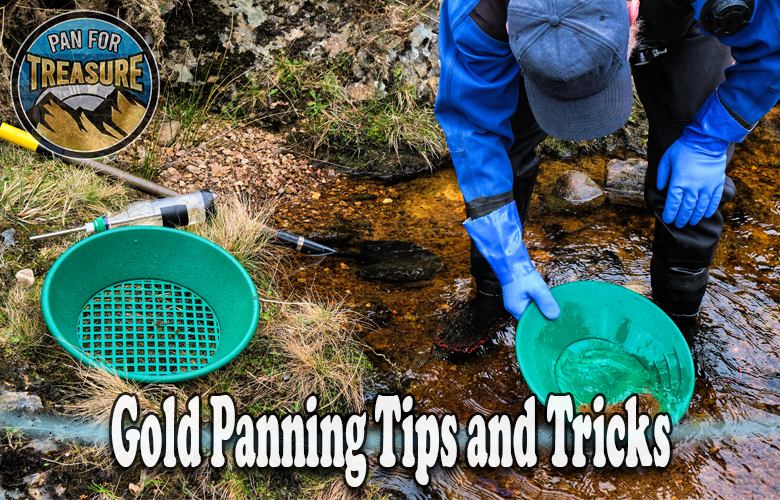
Gold panning tips and tricks separate successful prospectors from those who go home empty-handed, transforming casual hobbyists into skilled treasure hunters who consistently find gold.
Whether you’re just starting your prospecting journey or looking to improve your success rate, mastering proven techniques and insider knowledge can dramatically increase your chances of discovering that glinting prize.
This complete resource directory covers advanced gold panning tips and tricks that professional prospectors use to maximize their gold recovery and make every outing more productive and rewarding.
TL;DR – Gold Panning Tips and Tricks
- Location is everything: Research geological maps, follow black sand deposits, and focus on inside bends of streams
- Technique mastery: Slow, steady circular motions work better than aggressive shaking
- Equipment optimization: Use classifiers, proper pan sizes, and clean equipment for better results
- Timing matters: Early morning, after storms, and during low water periods are most productive
- Reading the pan: Learn to identify gold versus fool’s gold and other heavy minerals
- Patience pays off: Consistent technique and systematic approach beat rushed panning
- Bottom line: Success comes from combining proper technique, good locations, and persistent practice
Complete Directory of Gold Panning Tips and Tricks
Gold panning, with its rich history and allure of hidden treasure, has captured the hearts of prospectors for generations. To become a true master of this craft, one must refine their technique and develop a keen eye for spotting gold.


Advanced Location Selection Strategies
Reading Geological Indicators
Primary Geological Clues
- Quartz veins and outcroppings: White and milky quartz often hosts gold deposits
- Iron staining: Rusty red discoloration indicates mineralization and potential gold
- Black sand concentrations: Heavy minerals often accompany gold in natural deposits
- Contact zones: Areas where different rock types meet frequently contain gold
Stream Reading Expertise
- Inside bends: Slower water deposits heavy materials including gold
- Bedrock cracks and crevices: Natural gold traps that collect over time
- Boulder shadows: Areas downstream from large rocks where gold settles
- Pay streaks: Narrow zones within streams that concentrate gold
Research and Preparation Methods
Historical Research Techniques
- Mining records: Research historical mining claims and production records
- Geological surveys: Study USGS reports and geological maps for gold occurrences
- Local knowledge: Connect with prospecting clubs and experienced local miners
- Newspaper archives: Historical strike reports often reveal productive areas
Modern Technology Tools
- GPS mapping: Mark productive locations and track search patterns
- Satellite imagery: Analyze terrain and identify promising geological features
- Claim databases: Verify land ownership and avoid active mining claims
- Weather tracking: Monitor conditions that affect stream levels and access
Equipment Optimization and Setup
Pan Selection and Preparation
Choosing the Right Pan
- Size considerations: 14-inch pans for beginners, 10-12 inch for precision work
- Material selection: Steel for durability and weight, plastic for lightweight portability
- Riffle patterns: Deep, sharp riffles hold fine gold better than shallow patterns
- Color importance: Dark colors (black, dark blue) make gold easier to spot
Pan Seasoning and Maintenance
- Steel pan seasoning: Remove oil and protective coatings with detergent and scrubbing
- Plastic pan preparation: Clean thoroughly to remove manufacturing residues
- Regular cleaning: Keep pans free from grease and debris that can float gold
- Storage considerations: Prevent rust on steel pans with proper drying and storage
Essential Auxiliary Equipment
Classifiers and Screens
- Multiple mesh sizes: 1/4-inch for initial screening, 1/8-inch for fine work
- Proper sizing: Match classifier diameter to your gold pan size
- Cleaning technique: Keep screens clean to maintain efficient material flow
- Stackable systems: Use multiple classifiers for progressive material sorting
Recovery and Collection Tools
- Snuffer bottles: Essential for picking up fine gold without losing it
- Tweezers: Fine-pointed tweezers for handling larger flakes and small nuggets
- Magnifying equipment: Loupes or magnifying glasses for examining small finds
- Sample vials: Secure storage containers for gold finds and interesting specimens
Master-Level Panning Techniques
Advanced Panning Motions and Methods
The Perfect Panning Sequence
- Initial loading: Fill pan 2/3 full with promising material from pay zones
- Submersion technique: Fully submerge and shake vigorously to break up clay and debris
- Large material removal: Hand-pick rocks while checking for attached gold
- Circular washing: Use smooth, consistent circular motions to wash lighter materials
- Controlled tilting: Gradually tilt pan to let lighter materials wash over the edge
- Final concentration: Reduce material to heavy concentrates in the bottom of pan
Professional Motion Techniques
- Consistent rhythm: Develop steady, repetitive motions rather than erratic movements
- Water level management: Keep optimal water level for effective material separation
- Angle control: Master precise pan angles for different stages of the process
- Speed variation: Adjust motion speed based on material size and concentration
Advanced Gold Identification Skills
Visual Recognition Mastery
- Color variations: Learn to spot gold in different lighting conditions and water clarity
- Shape characteristics: Recognize flattened flakes, rounded nuggets, and wire gold
- Texture identification: Distinguish gold’s smooth surface from rough pyrite crystals
- Size awareness: Develop ability to spot gold from large nuggets to fine flour gold
Distinguishing Real Gold from Imposters
- Fool’s gold (pyrite): Brittle, cubic crystals with brass color and metallic luster
- Mica flakes: Very light, flaky, and easily crumbled between fingers
- Copper and brass: Different color tones and may show green oxidation
- Lead shot: Round, grey, softer than gold but similar weight
Timing and Environmental Factors
Optimal Timing Strategies
Seasonal Considerations
- Spring advantages: Snowmelt and spring rains concentrate materials in new locations
- Summer challenges: Lower water levels expose more bedrock but reduce material transport
- Fall opportunities: Storm activity moves materials and creates new deposits
- Winter limitations: Frozen conditions but less competition and changed water patterns
Daily Timing Optimization
- Early morning benefits: Better lighting conditions and less surface glare
- Weather aftermath: Best panning often occurs after storms when materials have moved
- Water level monitoring: Dropping water levels expose previously inaccessible areas
- Lighting conditions: Avoid direct sunlight that creates glare and shadows in pans
Reading Water and Stream Conditions
Water Flow Analysis
- Current speed assessment: Moderate flows provide best gold deposition conditions
- Turbulence patterns: Areas of disturbed flow often indicate gold-trapping features
- Depth variations: Changes in water depth signal potential gold concentration zones
- Sediment transport: Understand how different flows move gold versus lighter materials
Substrate and Bottom Conditions
- Bedrock exposure: Solid rock provides best gold trapping surfaces
- Gravel composition: Analyze gravel size and composition for gold indicators
- Clay layers: Hard clay can trap gold but requires different panning techniques
- Organic material: Heavy organic debris may indicate good gold trapping conditions
Advanced Recovery Techniques
Fine Gold Recovery Mastery
Specialized Techniques for Flour Gold
- Slow-motion panning: Extra-gentle motions prevent fine gold from washing out
- Surface tension management: Add drop of dish soap to reduce surface tension
- Black sand separation: Master techniques for separating gold from heavy minerals
- Static elimination: Use anti-static techniques to prevent gold from sticking to pan
Concentration and Final Recovery
- Progressive concentration: Gradually reduce material volume while retaining all gold
- Final cleanup techniques: Master the last stages where most gold is lost or saved
- Recovery tools usage: Efficient use of snuffer bottles and tweezers
- Quality control: Double-check discarded material for missed gold
Sampling and Testing Strategies
Systematic Sampling Approach
- Grid sampling: Systematic testing of potential areas to find pay streaks
- Crevice sampling: Focused sampling of bedrock cracks and natural traps
- Depth testing: Sample different depths to find gold-bearing layers
- Volume calculations: Estimate gold content per yard of material
Test Panning Efficiency
- Quick assessment pans: Rapid evaluation techniques to identify promising areas
- Bench testing: Controlled testing of materials away from water source
- Comparative analysis: Test multiple locations to identify best prospects
- Documentation methods: Record results for future reference and pattern recognition

Productivity Enhancement Strategies
Workflow Optimization
Efficient Material Processing
- Batch processing: Process multiple pans of material systematically
- Setup organization: Arrange equipment for smooth workflow and minimal wasted motion
- Time management: Balance thoroughness with productivity for optimal results
- Energy conservation: Techniques to reduce fatigue and maintain performance
Multi-Location Strategies
- Location rotation: Work multiple spots to increase overall success probability
- Seasonal location planning: Adapt location choices to seasonal water and access conditions
- Backup location preparation: Always have alternative sites planned for varying conditions
- Travel efficiency: Plan routes and logistics for maximum prospecting time
Skill Development and Practice
Structured Practice Methods
- Home practice setup: Create practice environments for technique refinement
- Skill progression tracking: Monitor improvement in speed and recovery rates
- Weakness identification: Analyze and address specific technique problems
- Mentor relationships: Learn from experienced prospectors through observation and guidance
Community Learning and Knowledge Sharing
- Prospecting club participation: Join local organizations for group learning opportunities
- Workshop attendance: Participate in formal training and technique demonstrations
- Online forum engagement: Share experiences and learn from global prospecting community
- Teaching others: Reinforce your own knowledge by helping teach beginners
Problem-Solving and Troubleshooting
Common Challenges and Solutions
Low Gold Recovery Issues
- Location problems: Reassess geological indicators and historical research
- Technique issues: Review and practice fundamental panning motions
- Equipment problems: Clean equipment and verify proper setup and function
- Timing factors: Consider seasonal, weather, and daily timing adjustments
Efficiency and Fatigue Management
- Physical strain reduction: Proper posture, regular breaks, and ergonomic techniques
- Mental fatigue prevention: Maintain focus and avoid rushing through important steps
- Motivation maintenance: Set realistic goals and celebrate small successes
- Skill plateau breakthrough: Advanced techniques to improve when progress stalls
Advanced Problem-Solving Techniques
Diagnostic Methods
- Systematic elimination: Isolate variables to identify specific problems
- Comparative testing: Test different approaches to identify best methods
- Expert consultation: Seek advice from experienced prospectors when stuck
- Documentation analysis: Review past successes and failures for patterns
Environmental Stewardship and Ethics
Responsible Prospecting Practices
Leave No Trace Principles
- Minimal disturbance: Use techniques that minimize environmental impact
- Complete restoration: Fill all holes and restore natural appearance
- Waste removal: Pack out all trash and clean up any litter encountered
- Vegetation protection: Avoid damaging plants and root systems
Wildlife and Ecosystem Respect
- Seasonal awareness: Avoid disturbing wildlife during sensitive periods
- Habitat protection: Minimize impact on fish spawning areas and wildlife corridors
- Water quality maintenance: Prevent contamination and excessive sediment disturbance
- Noise consideration: Keep activities quiet to minimize wildlife disturbance
Legal and Ethical Compliance
Regulatory Adherence
- Permit compliance: Obtain and maintain all required permits and permissions
- Boundary respect: Stay within legal boundaries and respect private property
- Reporting requirements: Follow any local requirements for find reporting or documentation
- Regulation updates: Stay current with changing laws and regulations
Safety Considerations and Risk Management
Personal Safety Protocols
Water Safety Measures
- Current assessment: Evaluate water conditions before entering streams
- Footing awareness: Watch for slippery rocks and unstable stream bottoms
- Weather monitoring: Be aware of changing conditions that could create hazards
- Emergency preparedness: Carry communication devices and first aid supplies
Remote Area Safety
- Trip planning: Inform others of plans and expected return times
- Navigation tools: Carry maps, GPS, and compass for remote areas
- Supply management: Bring adequate water, food, and emergency supplies
- Wildlife awareness: Know local wildlife and appropriate precautions
Frequently Asked Questions
What’s the most important gold panning tip for beginners?
Master the basic panning motion before worrying about finding lots of gold. Slow, steady circular motions with proper pan angle control are more effective than aggressive shaking. Practice with lead shot or other heavy materials at home to develop muscle memory.
How do I know if I’m in a good location for gold panning?
Look for geological indicators like black sand deposits, quartz veins, iron staining, and areas where heavy materials naturally collect. Research historical mining activity in the area and test multiple spots systematically rather than just panning randomly.
What’s the biggest mistake that causes people to lose gold while panning?
Panning too aggressively and washing gold right out of the pan. Gold is heavy but fine gold can be surprisingly easy to lose with too much water movement. Slow down your motions, especially during the final concentration stages.
How can I improve my ability to spot gold in the pan?
Practice with known gold samples in controlled conditions, use proper lighting (avoid direct sunlight), and learn the difference between gold and common look-alikes like pyrite and mica. Gold has a distinctive buttery yellow color and metallic luster that becomes easier to recognize with experience.
What time of year is best for gold panning?
Spring and fall often provide the best conditions. Spring snowmelt and rains move materials and expose new deposits, while fall storms can concentrate gold in accessible areas. Summer’s low water levels expose more area but may have less recent gold movement.
How do I pan for fine gold or flour gold effectively?
Use extra-gentle motions, add a tiny drop of dish soap to reduce surface tension, work in calmer water, and use specialized fine gold recovery techniques. Consider using blue bowls or other fine gold recovery equipment for areas with lots of flour gold.
Conclusion
Mastering gold panning is a rewarding journey that combines skill, patience, and a deep connection with nature.
These advanced gold panning tips and tricks represent the accumulated wisdom of generations of prospectors who have refined their techniques through countless hours beside streams and rivers. Success in gold panning comes not from luck alone, but from the systematic application of proven methods, careful attention to geological indicators, and the patience to master fundamental techniques.
Remember that every outing is an opportunity to learn and refine your approach. Gold panning is not just about finding gold; it’s about the thrill of discovery, the connection to history, and the deep satisfaction that comes from mastering a skill that connects us directly to the earth and its treasures.
Whether you’re a novice learning your first panning motions or a seasoned prospector looking to increase your success rate, the consistent application of these gold panning tips and tricks will improve your results and make every prospecting adventure more productive and enjoyable.
Sources and References
- United States Geological Survey – Gold Geology and Occurrence
- Bureau of Land Management – Recreational Mining Guidelines
- U.S. Forest Service – Prospecting and Mining Information
- Gold Prospectors Association of America – Education and Training
- Environmental Protection Agency – Mining and Environmental Protection
- Occupational Safety and Health Administration – Outdoor Work Safety
Information verified as of February 2026. Techniques and safety guidelines subject to update based on new research and best practices.
Pins for Pinterest
If you like what you see, feel free to share some love on Pinterest ❤️

Subscribe to Our Newsletter