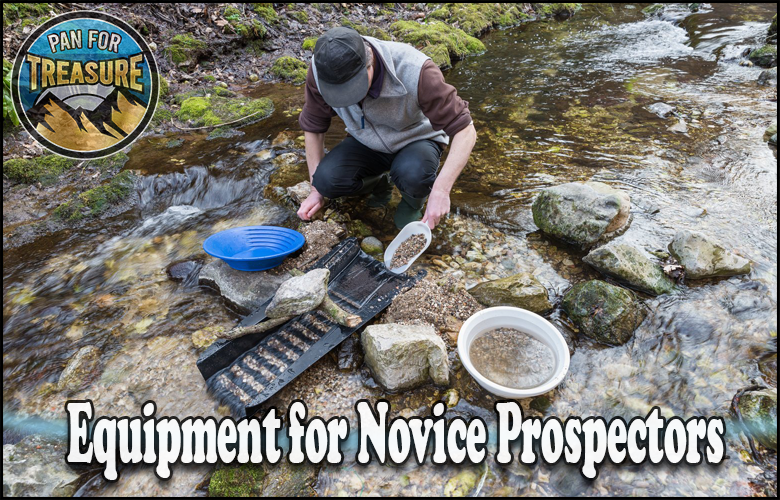
Essential equipment for novice prospectors comes down to about 12 items you actually need, from the all-important gold pan to classifiers, a snuffer bottle, and basic digging and safety gear, and the good news is that a complete beginner kit is affordable and easy to assemble.
Walk into any prospecting shop or browse online, and the sheer variety of gear can be overwhelming. But the truth is that a beginner needs only a handful of items to start finding gold successfully.
The key is knowing what is genuinely essential versus what is optional or advanced. Starting with the right core kit lets you prospect effectively without overspending, and you can add specialized gear later as your interests develop.
This guide covers the 12 items novice prospectors actually need, explaining what each does and why it matters, so you can assemble a complete, effective beginner kit with confidence.
TL;DR
- The gold pan: The single most essential item, a dark plastic pan with riffles.
- Classifiers: Screens that sort material by size for easier, more effective panning.
- Collection gear: A snuffer bottle and vials to capture and store fine gold.
- Digging tools: A shovel, trowel, and crevice tool to reach the gold.
- Safety and comfort: Gloves, boots, and sun protection for a good day out.
- Affordable start: A complete beginner kit is inexpensive and easy to assemble.
Assembling the essential equipment for novice prospectors starts with the one item that matters more than any other, the tool at the very heart of the hobby: the gold pan.
Featured
Essential Equipment for Novice Prospectors: The Gold Pan
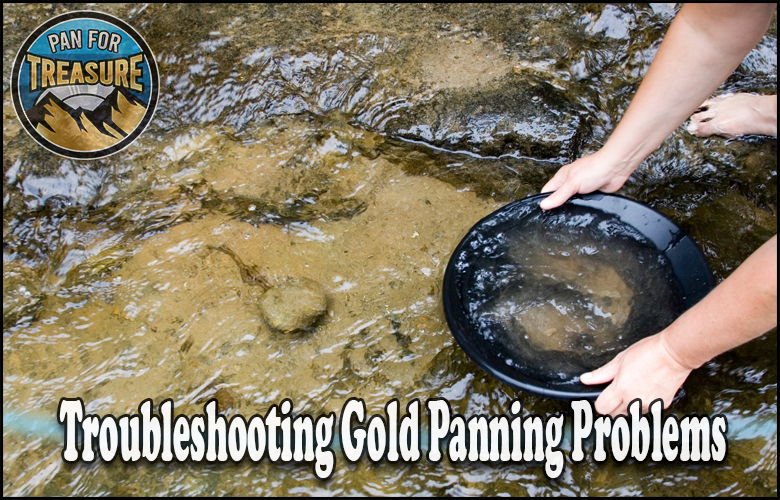
Above all else, the gold pan is the one item no prospector can do without. It is the fundamental tool for separating gold from other material, and choosing a good one matters.
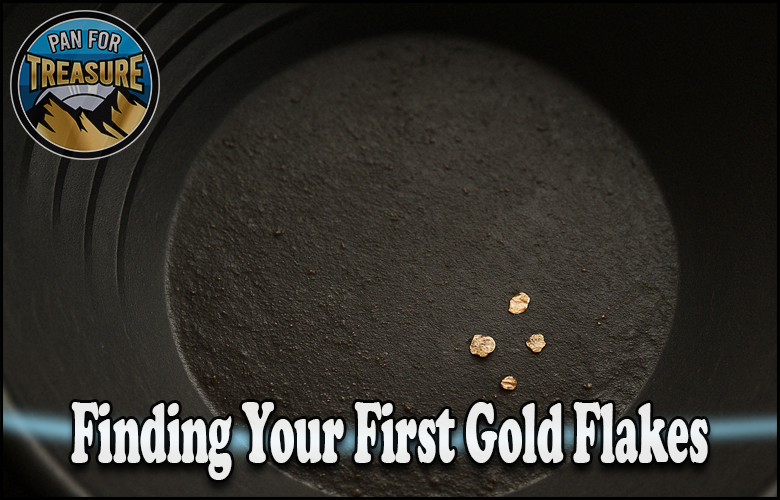
The best beginner pans are dark-colored plastic with molded riffles. The dark color makes gold easy to spot, and the riffles help trap gold during the washing process, making recovery easier.
Plastic pans are preferred over old-style metal ones for beginners because they are lightweight, don’t rust, and their riffles work well. A pan of around 10 to 14 inches is a versatile choice.
With just a gold pan, you can start finding gold. Everything else in the kit supports and improves the panning process, but the pan itself is the irreplaceable core. Our guide on gold panning tips and tricks helps you use it well.
Our Favorite Posts
2. Classifiers and Screens
Close behind the pan in importance are classifiers, also called screens or sieves. These simple tools sort material by size and make panning far more effective.
A classifier sits on top of your pan or a bucket and screens out oversized rocks, letting only appropriately sized material through. This removes the large rocks that would otherwise get in the way of panning.
Working with classified material is much easier and more effective. The pan is not cluttered with big rocks, so you can process the finer, gold-bearing material efficiently and recover more gold.
- Sorts by size: Screens out oversized rocks.
- Easier panning: Removes clutter for smoother processing.
- Better recovery: Lets you focus on fine, gold-bearing material.
- Various sizes: Different mesh sizes for different material.
A classifier is an inexpensive addition that noticeably improves results, making it one of the most worthwhile items after the pan itself. Our overview of gold classifiers explains the options.
3-4. Snuffer Bottle and Vials
Once you find gold, you need to collect and store it, which is where a snuffer bottle and vials come in. Fine gold is easy to lose without the right tools.
A snuffer bottle is a squeeze bottle that lets you suck up fine gold from your pan cleanly. Because fine flakes are tricky to pick up by hand, a snuffer bottle is essential for capturing them without loss.
Vials, small containers often filled with water, safely store your recovered gold. Water in the vial keeps fine flakes from sticking to the sides and escaping, protecting your finds.
Together, these two inexpensive items ensure the gold you work so hard to recover actually makes it home. They are small but essential parts of any beginner kit. Our guide on tips and tricks covers handling fine gold.
Recommended Reading
5-7. Digging and Crevice Tools
To get at gold-bearing material, especially the concentrated gold near bedrock, you need some basic digging tools. A few simple items cover most needs.
| Tool | Purpose |
|---|---|
| Shovel | Digging and moving larger amounts of material |
| Trowel or hand scoop | Scooping material precisely into the pan |
| Crevice tool | Cleaning gold out of bedrock cracks |
A small shovel handles bulk digging, a trowel or scoop lets you gather material precisely, and a crevice tool, often a simple pick or scraper, cleans gold from bedrock cracks where it concentrates. These tools help you reach the gold rather than just the surface. Our guide on techniques and methods covers working down to bedrock.
8-12. Safety, Comfort, and Extras
The remaining essentials keep you safe and comfortable so you can prospect effectively and enjoyably. A good day out depends on more than just gold gear.
Practical clothing and protection matter. Waterproof boots keep your feet dry, gloves protect your hands in cold water and rough gravel, and sun protection like a hat and sunscreen guard against long hours outdoors.
A few extras round out the kit. Something to carry your gear, water and snacks, and a small container for classified concentrate all make outings smoother and more productive.
- Waterproof boots: Keep feet dry in and around water.
- Gloves: Protect hands from cold water and rough material.
- Sun protection: A hat and sunscreen for long days out.
- Gear bag or bucket: To carry and organize your equipment.
- Water and snacks: To stay comfortable and hydrated.
These practical items make the difference between a miserable outing and an enjoyable one. Comfort and safety let you focus on finding gold. Our guide on metal detector types covers gear if you later expand into detecting.
Resources for Equipping Yourself
These authoritative sources support responsible, well-equipped prospecting:
- Gold Prospectors Association of America (GPAA) — Community guidance on gear and getting started.
- Bureau of Land Management: Mining and Minerals — Rules for equipment use on public land.
- U.S. Geological Survey (USGS) — Data on where to use your equipment productively.
- USDA Forest Service: Minerals and Geology — Regulations for equipment on National Forest lands.
Conclusion
Equipping yourself for prospecting is simpler and more affordable than the overwhelming array of gear suggests. A novice needs only about a dozen essential items to start finding gold successfully.
The gold pan is the irreplaceable core, supported by classifiers that make panning more effective and a snuffer bottle and vials that capture and protect your finds. These are the heart of the kit.
Basic digging and crevice tools let you reach the concentrated gold near bedrock, while practical clothing, safety gear, and a few extras keep you comfortable and productive through a full day outdoors.
With this essential equipment for novice prospectors assembled, you have everything you need to prospect effectively. Start with the core kit, add specialized gear as your interests grow, and enjoy the rewarding hobby of finding your own gold.
Frequently Asked Questions – Essential Prospecting Equipment
What is the most essential piece of prospecting equipment?
The gold pan, without question. It is the fundamental tool for separating gold from other material, and with just a pan you can start finding gold. The best beginner pans are dark-colored plastic with molded riffles, which make gold easy to spot and help trap it during washing.
Do I really need a classifier?
It is highly worthwhile. A classifier screens out oversized rocks so only appropriately sized material reaches your pan, making panning far easier and more effective. Working with classified material lets you process the fine, gold-bearing material efficiently and recover more gold, all for a small cost.
How do I collect and store the gold I find?
Use a snuffer bottle to suck up fine gold from your pan cleanly, since fine flakes are hard to pick up by hand, and store your gold in small vials, ideally with water inside so flakes don’t stick to the sides and escape. These inexpensive items ensure your gold makes it home.
What digging tools do I need?
A few basics: a small shovel for bulk digging, a trowel or hand scoop for gathering material precisely, and a crevice tool to clean gold out of bedrock cracks where it concentrates. These let you reach the productive material near bedrock rather than just skimming the surface.
What should I wear for prospecting?
Practical, protective clothing: waterproof boots to keep your feet dry, gloves to protect your hands from cold water and rough gravel, and sun protection like a hat and sunscreen for long hours outdoors. Comfort and safety let you focus on finding gold and enjoy the day.
How much does a beginner kit cost?
A complete beginner kit is affordable and easy to assemble. The pan and accessories are inexpensive, and much of the digging, safety, and comfort gear you may already own. Starting with this core kit lets you prospect effectively without overspending, adding specialized gear later as needed.
⛏ Recommended Gear ⛏


* As an Amazon Associate I earn from qualifying purchases at no extra cost to you.
Subscribe to Our Newsletter

Ryan Conlon is the founder of Pan for Treasure.
A lifelong gold panning enthusiast, he created this site to help beginners learn the ropes and share practical tips from his own time on the creek. [email protected]