Gold panning for beginners is one of the most accessible outdoor hobbies there is: with an inexpensive pan, a little technique, and the right creek, almost anyone can start finding real gold on their very first day.
The appeal is easy to understand. Panning requires minimal gear, connects you to nature and history, and offers the genuine thrill of finding treasure. It is a hobby you can start this weekend without breaking the bank.
The keys to early success are simple: learn the basic technique, choose a good location, and keep your expectations realistic. Get those right, and the fine flakes will start appearing in your pan.
This guide walks beginners through everything needed to start: the gear you need, the panning technique that works, how to find a good spot, the legal basics, and the common mistakes to avoid.
TL;DR
- Low cost to start: A basic pan and a few accessories are all you need to begin.
- Learnable technique: The panning motion is simple to learn and improves quickly with practice.
- Location matters most: Choosing gold-bearing ground is the biggest factor in success.
- Know the rules: Understand the laws for where you plan to pan before you start.
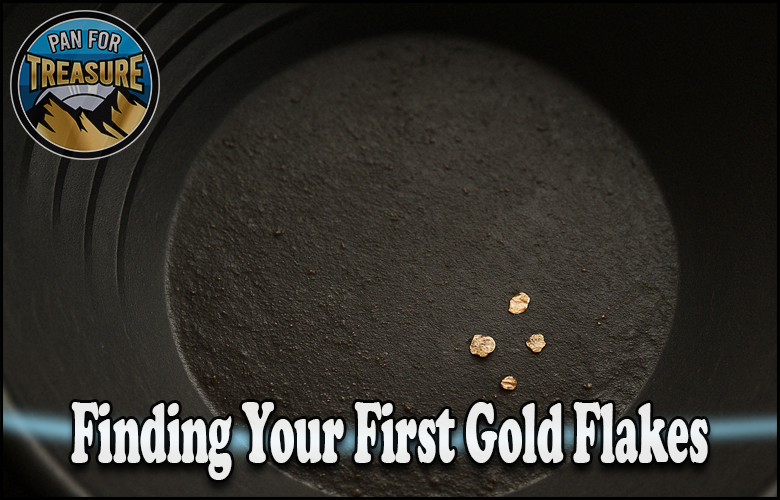
- Expect fine gold: Most finds are small flakes, which is normal and still rewarding.
- Practice pays off: Consistent panning builds the skill that leads to regular finds.
Starting gold panning for beginners is refreshingly simple, and it begins with understanding the handful of inexpensive tools that are all you really need to get going.
Featured
The Gear You Need to Start
One of the best things about panning is how little equipment it requires. You can begin with a modest, inexpensive kit and add to it later as your interest grows.
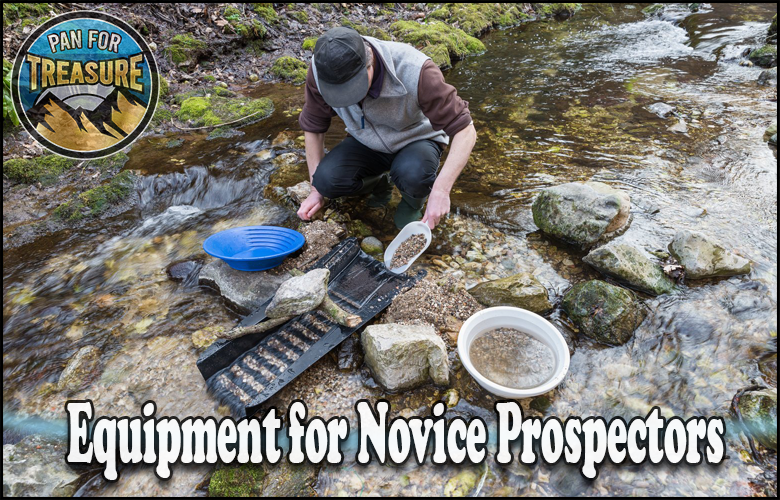
The essential item is a gold pan, ideally a dark-colored plastic pan with molded riffles, which makes spotting and trapping gold easier. This single tool is enough to start finding gold.
A few accessories round out a beginner kit: a classifier to screen out large rocks, a snuffer bottle to collect fine gold, and a vial to store your finds. None of these is expensive.
- Gold pan: A dark plastic pan with riffles, the one essential.
- Classifier: Screens out oversized rocks for easier panning.
- Snuffer bottle: Collects fine gold without losing it.
- Vial: Safely stores your recovered gold.
- Basic tools: A small shovel or trowel for digging material.
This simple kit is enough to start finding gold, and it fits easily in a small bag. Our guide to getting started with gold panning covers gear choices in more depth.
Our Favorite Posts
The Basic Panning Technique
The heart of gold panning is the technique, and while it takes practice to master, the basic method is straightforward to learn. It relies on gold’s weight to separate it from lighter material.
Fill your pan with gravel and material from a promising spot, then submerge it and break up any clay or clumps. Remove the larger rocks after checking them for gold.
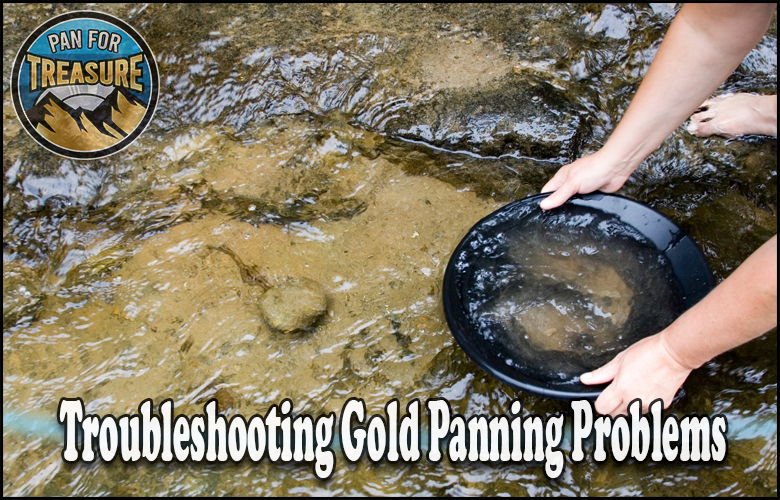
Then comes the key motion: hold the pan level underwater and shake it gently side to side to let the heavy gold settle to the bottom, then tilt slightly and swirl to wash the lighter material over the edge, a little at a time.
- Fill the pan: Add gravel and material from a good spot.
- Break it up: Submerge and break apart clay and clumps.
- Remove big rocks: Check and discard oversized material.
- Settle the gold: Shake level underwater so gold sinks to the bottom.
- Wash off the light material: Tilt and swirl to remove lighter material gradually.
Repeat the settle-and-wash steps until only heavy concentrate and gold remain. The gold, being heaviest, stays at the bottom as you wash the rest away. Our techniques and methods guide and tips and tricks help you refine the motion.
Finding a Good Location
The most important factor in your success is where you pan. Even perfect technique finds nothing in barren ground, so choosing gold-bearing ground is essential.
Start by identifying areas known to have gold. Regions with a history of gold, whether famous gold-rush states or documented local occurrences, are your best bet. Research is your friend here.
Within a gold-bearing area, target the specific spots where gold concentrates: the inside of stream bends, behind boulders, in cracks in bedrock, and wherever the current slows and drops heavy material.
| Spot | Why Gold Collects |
|---|---|
| Inside of bends | Current slows and drops heavy gold |
| Behind boulders | Obstacles create slow, sheltered water |
| Bedrock cracks | Crevices trap gold that settles down |
| Gravel bars | Where slowed water deposits its load |
Combining a good region with these specific features dramatically improves your odds. States like California, Alaska, Colorado, North Carolina, and Arkansas all have gold-bearing areas, and our roundup of the top states to pan for gold can point you toward productive regions.
Recommended Reading
Knowing the Legal Basics
Before you pan, it is important to understand the rules for where you plan to go. Panning is regulated, and the rules vary by location and land ownership.
Different lands have different rules. Some public lands allow recreational panning, others require permits, and private land needs the owner’s permission. Protected areas may prohibit panning entirely.
Checking the specific rules for your intended spot keeps you legal and responsible. It is a quick step that prevents problems and protects the hobby’s reputation.
- Public land: Rules vary; some allow panning, some require permits.
- Private land: Always get the owner’s permission.
- Protected areas: Panning may be prohibited; check first.
- State rules: Regulations differ by state, so verify locally.
Understanding permitting and land rules is part of responsible prospecting. Our guides on permitting for gold mining and state-specific laws like California, Alaska, and Colorado help you stay on the right side of the law.
Beginners' Tips
Common Beginner Mistakes to Avoid
A few simple mistakes trip up many beginners. Being aware of them helps you find gold faster and enjoy the hobby more.
The most common is washing too fast and losing gold. Rushing the pan sends fine gold over the edge with the lighter material, so patience and a gentle motion are essential.
Other frequent mistakes include panning in barren ground, not digging down to where gold concentrates, and giving up too soon. Each is easily corrected with knowledge and persistence.
- Don’t rush: Wash slowly and gently to keep the gold.
- Choose good ground: Pan where gold actually occurs.
- Dig deeper: Work down toward bedrock where gold settles.
- Be patient: Skill and finds come with practice.
Avoiding these mistakes shortens your learning curve considerably. With patience and the right approach, those first flakes will come. Our beginner’s guide to prospecting the right way covers these fundamentals in detail.
Resources for Beginner Panners
These authoritative sources help beginners pan legally and successfully:
- U.S. Geological Survey (USGS) — Maps and data for finding gold-bearing areas.
- Bureau of Land Management: Mining and Minerals — Official rules for panning on public land.
- Gold Prospectors Association of America (GPAA) — Clubs, community, and beginner guidance.
- USDA Forest Service: Minerals and Geology — Regulations for panning on National Forest lands.
Conclusion
Gold panning is one of the most accessible and rewarding outdoor hobbies, and getting started is easier than most beginners expect. A simple pan and a little technique are enough to begin finding real gold.
The keys to success are learning the basic settle-and-wash technique, choosing gold-bearing ground and its concentration spots, and understanding the rules for where you pan. Get these right and finds will follow.
Keep your expectations realistic, expect fine flakes rather than nuggets, and avoid the common mistakes of rushing, poor location, and giving up too soon. Patience and practice are what turn beginners into skilled panners.
With this foundation, gold panning for beginners becomes an achievable, enjoyable adventure. Grab a pan, find a friendly creek in gold country, and experience the timeless thrill of finding your own gold.
Frequently Asked Questions – Gold Panning for Beginners
What do I need to start gold panning?
Very little. The one essential is a dark-colored plastic gold pan with riffles. A few inexpensive accessories help too: a classifier to screen out large rocks, a snuffer bottle to collect fine gold, a vial to store finds, and a small shovel. This simple kit is enough to start finding gold.
How do I actually pan for gold?
Fill the pan with material, submerge it and break up clumps, remove large rocks, then shake the pan level underwater so the heavy gold settles to the bottom. Tilt slightly and swirl to wash lighter material over the edge a little at a time, repeating until only concentrate and gold remain.
Where should a beginner pan for gold?
Choose gold-bearing ground first, such as regions with a history of gold, then target spots where gold concentrates: the inside of stream bends, behind boulders, in bedrock cracks, and on gravel bars. Combining a good region with these features dramatically improves your odds.
Do I need a permit to pan for gold?
It depends on where you pan. Some public lands allow recreational panning, others require permits, private land needs the owner’s permission, and protected areas may prohibit it entirely. Always check the specific rules for your intended location before you start.
Is it normal to only find small flakes?
Yes, completely. Most gold finds are small, fine flakes rather than nuggets, and that is exactly what most panning yields. Fine gold is still a genuine success, and keeping realistic expectations makes every find rewarding and the hobby enjoyable.
What is the most common beginner mistake?
Washing too fast and losing gold. Rushing the pan sends fine gold over the edge with the lighter material, so a slow, gentle motion is essential. Other common mistakes are panning in barren ground, not digging deep enough, and giving up too soon, all easily corrected with practice.

⛏ Recommended Gear ⛏


* As an Amazon Associate I earn from qualifying purchases at no extra cost to you.
Subscribe to Our Newsletter

Ryan Conlon is the founder of Pan for Treasure.
A lifelong gold panning enthusiast, he created this site to help beginners learn the ropes and share practical tips from his own time on the creek. [email protected]