Where is gold most likely to be found? Gold concentrates in rivers and streams where water sorts out the heavy metal, in and around quartz veins and certain rock types like granite and schist, near old lode mines and their creeks and gulches, and in regions with a documented history of gold, so knowing these settings is the key to prospecting success.
Gold prospecting has been practiced for centuries, and understanding where gold is most likely to occur is crucial to success. Whether you’re seasoned or a novice, knowing the right settings focuses your search on productive ground.
Gold occurs in various natural settings, from rivers and streams where flowing water leaves behind heavy gold particles, to areas of concentrated gold ore associated with specific rocks and geological structures.
This guide covers where gold is most likely to be found: placer settings in waterways, hardrock and geological settings, the clues left by past mining, promising regions and states, and the methods to recover gold from each, so you can search where it counts.
TL;DR
- Rivers and streams: Flowing water concentrates heavy placer gold.
- Quartz veins and rock types: Granite, schist, and gneiss can host gold.
- Near lode mines: Creeks and gulches around them often hold gold.
- Mining evidence: Old shafts and rock piles indicate gold ground.
- Gold-rich regions: Certain states and areas have documented gold.
- Match your method: Panning, sluicing, and detecting suit different settings.
Answering where gold is most likely to be found starts with the most accessible setting of all: rivers and streams.
Featured
Where Gold Is Most Likely to Be Found: Rivers and Streams
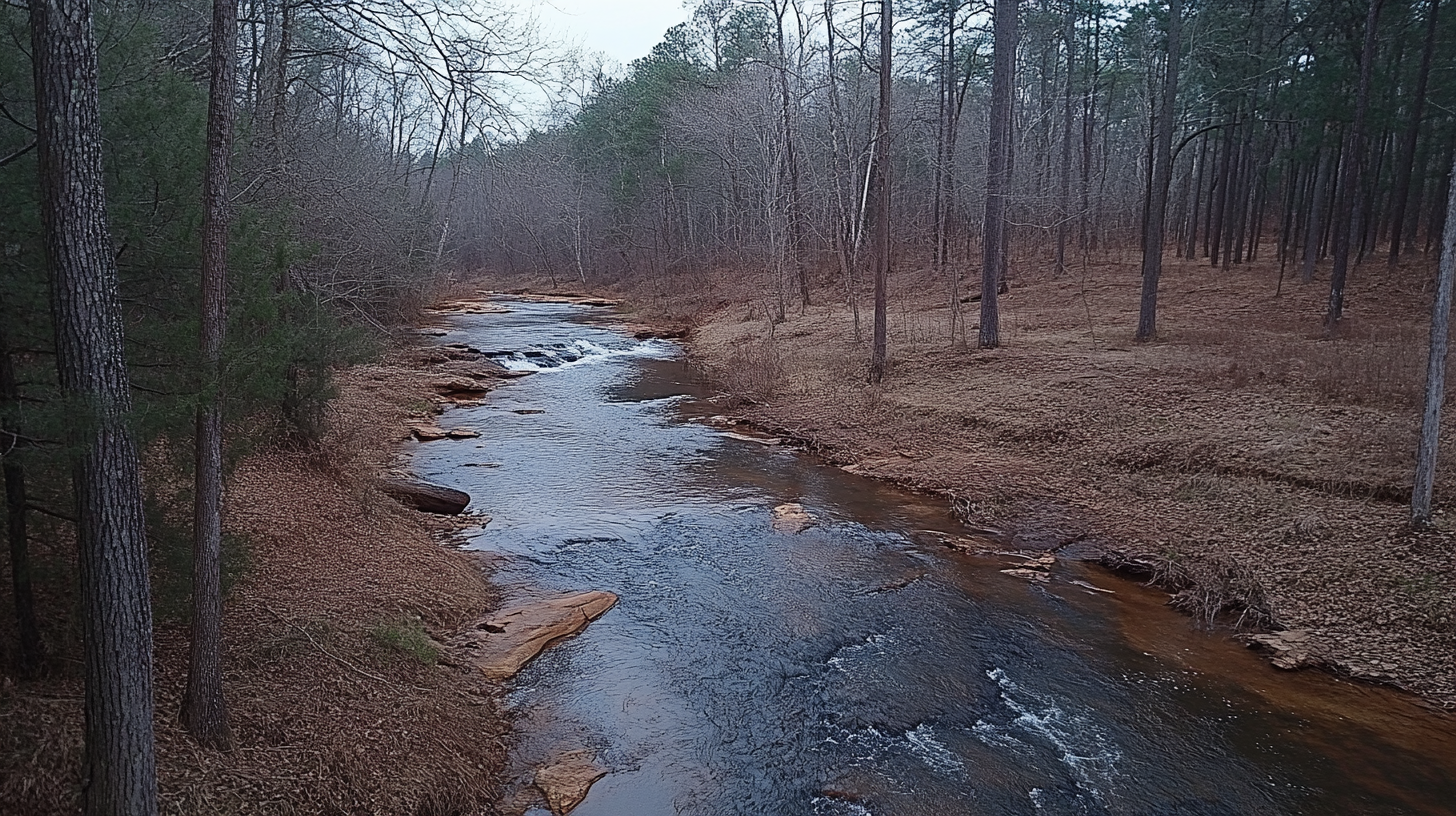
The most accessible place to find gold is in rivers and streams, where placer gold collects. This is where most prospectors, especially beginners, focus their search.
Flowing water washes away lighter materials and leaves behind the heavier gold particles, concentrating them in predictable spots. This natural sorting is what makes waterways so productive for panning.
Because gold is dense, it settles wherever the current slows: the inside of bends, behind boulders, in bedrock cracks, and on gravel bars. Learning to read these features points you straight to the gold.
- Inside of bends: Slowed current drops heavy gold.
- Behind boulders: Obstacles create gold-trapping calm water.
- Bedrock and crevices: Gold sinks and lodges in cracks.
- Gravel bars: Where slowed water deposits its load.
Rivers and streams are the heart of recreational prospecting, offering accessible gold recoverable with a simple pan. Knowing whether all creeks have gold helps you choose which to work. Our roundup of the top states to pan for gold points you toward productive waterways.
Our Favorite Posts
Quartz Veins and Rock Types (Lode Gold)
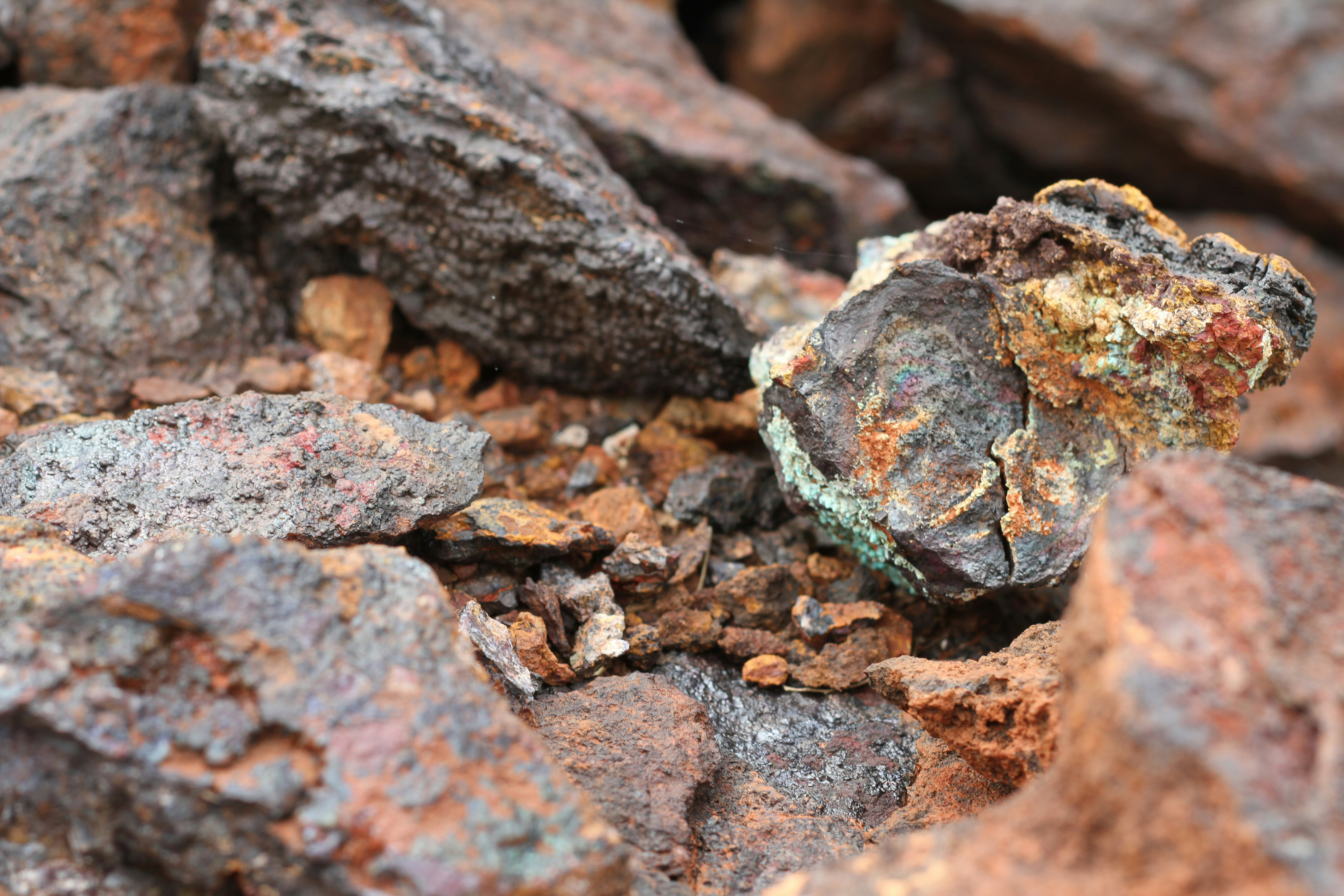
Gold is also found in concentrated ore, associated with quartz veins and specific rock types. This is lode gold, the original source from which placer gold erodes.
Quartz veins are classic gold hosts, since gold-bearing fluids often deposited both together. Certain rock types, such as granite, schist, and gneiss, are also associated with gold, making them worth noting.
| Setting | Why Gold Is There |
|---|---|
| Quartz veins | Classic host for lode gold |
| Granite and diorite | Igneous rocks that can contain gold |
| Schist and gneiss | Metamorphic rocks associated with gold |
| Faults and shear zones | Structures that can host gold deposits |
Understanding these hardrock settings matters even for placer prospectors, since placer gold points upstream toward a lode source. Recognizing gold-associated rocks and structures helps you trace gold to its origin. Our guide on mastering fine gold recovery helps once you find it.
Near Old Mines and Mining Evidence
Some of the best clues to where gold is found come from past mining. Areas that produced gold before often still hold it.
Caves, creeks, and gulches surrounding old lode mines frequently harbor significant gold deposits, since gold eroded from the mined lode collected nearby. These areas are well worth investigating.
Man-made evidence of mining, such as old mine shafts, tailings, and rock piles, also indicates gold ground. Where people mined before, gold was present, and reserves may remain.
- Old lode mines: Nearby creeks and gulches often hold gold.
- Mine shafts and adits: Mark where gold was worked.
- Tailings and rock piles: Evidence of past mining activity.
- Historic districts: Documented gold areas worth researching.
Researching historic mining areas is one of the smartest ways to find gold, since it points you to proven ground. Always confirm access and claims before prospecting these spots. Our guide on gold mining at historical sites covers this approach.
Recommended Reading
Gold-Rich Regions and States
Gold isn’t everywhere, so knowing the gold-rich regions focuses your search. Certain states and areas have a documented history and geology of gold.
Across the country, a number of states are well known for gold, each with public areas open to recreational prospecting. Focusing on these regions dramatically improves your odds compared with searching random ground.
Researching a state’s gold history and geology tells you where to concentrate. Within a gold-bearing state, the placer and hardrock principles above help you find specific productive spots.
- Research gold states: Focus on documented gold regions.
- Check state history: Past production points to present gold.
- Find public access: Many states have open panning areas.
- Confirm the rules: Verify legal access before you go.
Many states are worth researching, including California, Alaska, Colorado, Arizona, Nevada, New Mexico, North Carolina, and South Dakota. Always check the rules, including whether it’s legal to pan and state laws for California, Alaska, Colorado, Arizona, Nevada, New Mexico, North Carolina, and South Dakota. The world’s top gold-producing countries show the global picture too.
Getting Started
Methods for Recovering Gold
Once you know where to look, matching your method to the setting is what recovers the gold. Different techniques suit different locations.
Traditional placer methods, panning and sluicing, are ideal for rivers and streams, using water to separate gold. In dry regions, drywashing recovers gold without water. Metal detecting locates nuggets, especially in goldfields and around old workings.
| Method | Best For |
|---|---|
| Panning | Sampling and working stream placer gold |
| Sluicing | Processing more stream material |
| Drywashing | Recovering gold in dry, arid regions |
| Metal detecting | Finding nuggets in goldfields and old workings |
Each method has its advantages, and the choice depends on the location and your preference. Simple tools like shovels and picks support all of them. Matching method to setting maximizes your success. Our guides on the best tools for gold panning and best metal detectors for gold cover the gear.
Resources for Finding Gold
These authoritative sources help you find gold-bearing ground:
- USGS Mineral Resources Data System — Records of where gold occurs nationwide.
- U.S. Geological Survey (USGS) — Authoritative geology and maps of gold deposits.
- Bureau of Land Management: Mining and Minerals — Public-land rules and claim information.
- Gold Prospectors Association of America (GPAA) — Community and claims for finding gold.
Conclusion
Knowing where gold occurs is crucial to prospecting success, and gold favors specific, predictable settings. Understanding them transforms your search from guesswork into a targeted pursuit.
Rivers and streams concentrate accessible placer gold, quartz veins and rock types like granite and schist host lode gold, and the areas around old mines, marked by shafts and rock piles, often still hold gold.
Focusing on gold-rich regions and states, and matching your method, panning, sluicing, drywashing, or detecting, to each setting, puts you where gold is and gives you the means to recover it.
Understanding where gold is most likely to be found is the foundation of effective prospecting, so research the right settings and regions, match your method to the ground, and head out to search where gold is truly waiting.
Frequently Asked Questions – Where Gold Is Found
Where is gold most commonly found?
The most accessible place is in rivers and streams, where flowing water washes away lighter material and concentrates heavy placer gold in predictable spots, at bends, behind boulders, in bedrock, and on gravel bars. Gold is also found in quartz veins and certain rocks, and around old mines.
What rocks are associated with gold?
Quartz veins are classic gold hosts, since gold-bearing fluids often deposited both together. Certain rock types are also associated with gold, including igneous rocks like granite and diorite and metamorphic rocks like schist and gneiss. Geological structures such as faults and shear zones can host gold deposits too.
Why is gold found near old mines?
Because areas that produced gold before often still hold it. Caves, creeks, and gulches surrounding old lode mines frequently harbor gold that eroded from the mined lode and collected nearby. Man-made evidence like old shafts, tailings, and rock piles marks proven gold ground worth researching, with permission.
Which states are best for finding gold?
A number of states have documented gold history and geology, including California, Alaska, Colorado, Arizona, Nevada, New Mexico, North Carolina, and South Dakota, each with public areas open to prospecting. Researching a state’s gold history and confirming legal access focuses your search on productive ground.
How does flowing water concentrate gold?
Gold is much denser than surrounding material, so as flowing water washes away lighter sand and gravel, the heavy gold is left behind and settles wherever the current slows. This natural sorting concentrates placer gold at bends, behind obstructions, in bedrock crevices, and on gravel bars, making waterways productive to pan.
What method should I use to find gold?
Match the method to the setting. Panning and sluicing suit rivers and streams, using water to separate gold; drywashing recovers gold in dry, arid regions; and metal detecting finds nuggets in goldfields and around old workings. Simple tools like shovels and picks support all of these approaches.
⛏ Recommended Gear ⛏


* As an Amazon Associate I earn from qualifying purchases at no extra cost to you.
Subscribe to Our Newsletter

Ryan Conlon is the founder of Pan for Treasure.
A lifelong gold panning enthusiast, he created this site to help beginners learn the ropes and share practical tips from his own time on the creek. [email protected]