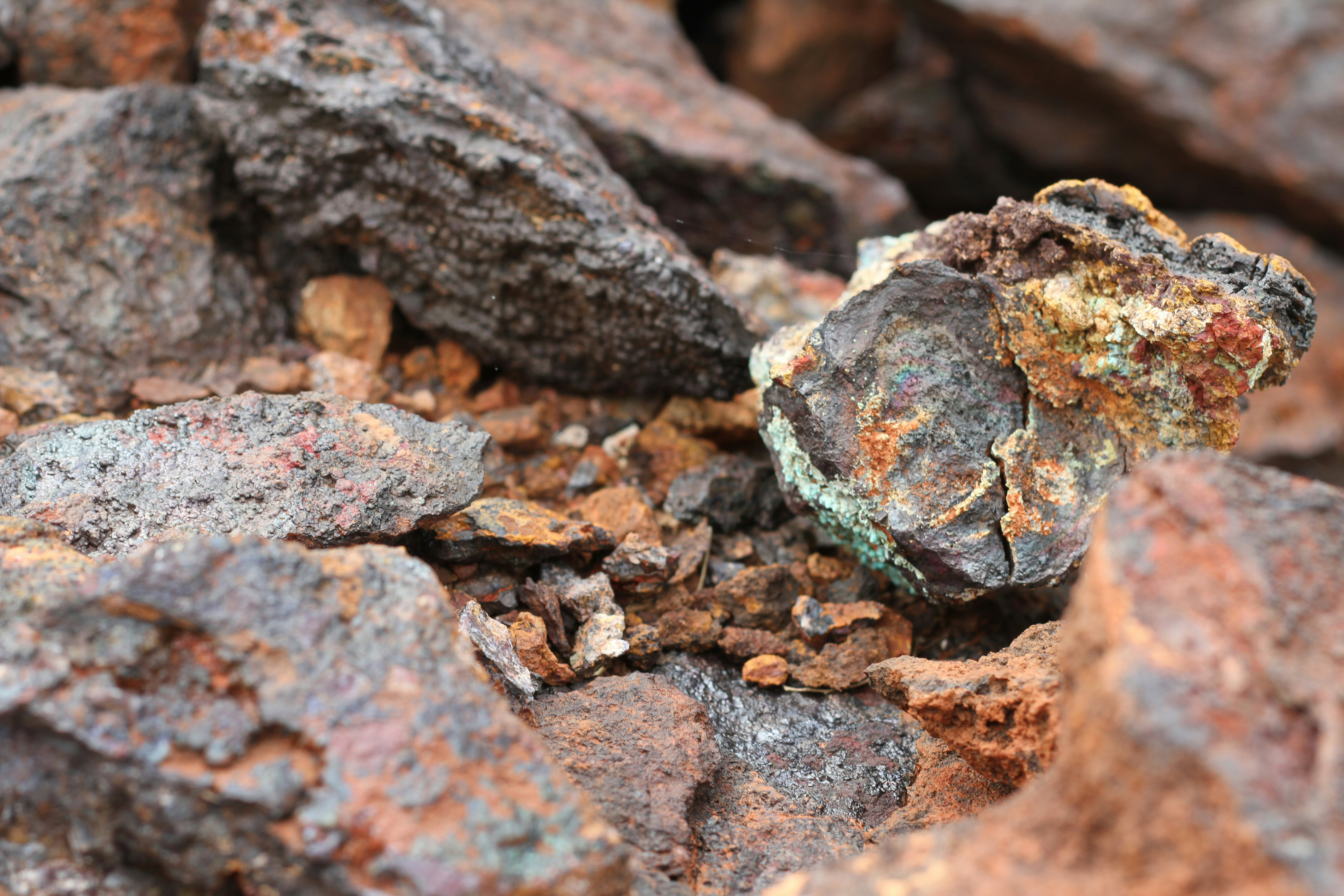
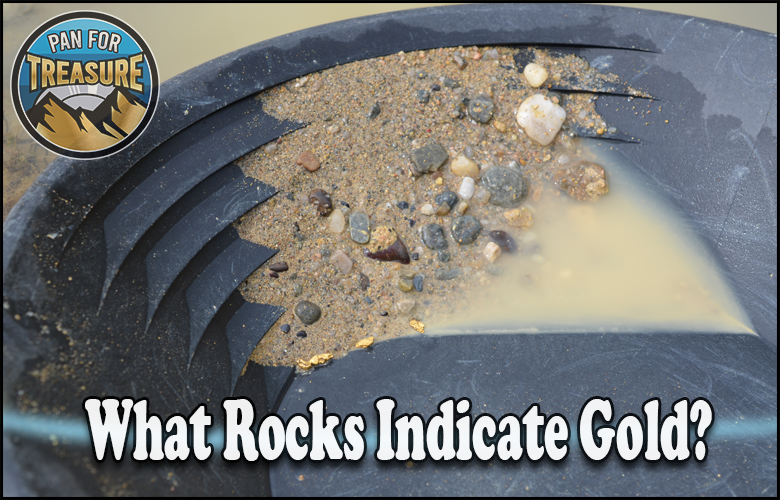
What rocks indicate gold? The rocks most associated with gold are quartz veins, igneous rocks like granite and diorite, and metamorphic rocks such as schist and greenstone, and learning to recognize these gold-bearing rock types, along with the geological structures that host gold, is a valuable skill for finding it.
Gold formation in rocks is a complex process involving different geological environments. Knowing which rock types are associated with gold helps you focus your search on the ground most likely to hold it.
Certain rocks come up again and again in gold country: quartz veins, granite, and metamorphic rocks like schist and greenstone. Understanding why gold occurs in these settings turns rock identification into a prospecting advantage.
This guide explains what rocks indicate gold: how gold deposits form, the specific rock types to look for, the structures that host gold, and how to use this knowledge in the field, so you can read the rocks and find gold.
TL;DR
- Quartz veins: The classic gold host, formed by hydrothermal fluids.
- Igneous rocks: Granite and diorite can contain gold.
- Metamorphic rocks: Schist and greenstone are significant gold sources.
- Greenstone belts: Known for rich gold deposits.
- Structures matter: Faults and shear zones can host gold.
- Read the rocks: Recognizing them focuses your search.
Understanding what rocks indicate gold starts with how gold deposits form in the first place.
Featured
How Gold Deposits Form
Learning how gold deposits form helps you understand which rocks to look for. Most gold deposits originate from hydrothermal processes deep in the Earth.
Hydrothermal fluids, hot, mineral-rich waters, move through the Earth’s crust, carrying dissolved gold and other minerals. As these fluids cool or change chemically, they deposit gold in the surrounding rock, creating veins.
This is why quartz veins are such classic gold hosts: they form from the same hydrothermal activity that concentrates gold. Orogenic gold deposits, formed during mountain-building, are a well-known example of this process.
- Hydrothermal fluids: Carry gold through the crust.
- Cooling deposits gold: Fluids leave gold in the rock.
- Veins form: Quartz veins commonly host gold.
- Structures channel fluids: Faults guide the mineral-rich fluids.
Understanding this process explains why gold is found in certain rocks and structures. The fluids that carry gold follow specific pathways, depositing it in predictable settings. Our guide on techniques and methods helps you work these areas.
Our Favorite Posts
What Rocks Indicate Gold: Gold-Bearing Rock Types
Certain rock types are strongly associated with gold, and recognizing them is key to finding it. These are the rocks to watch for in the field.
Quartz veins top the list, since gold and quartz are frequently deposited together by hydrothermal fluids. Beyond quartz, both igneous and metamorphic rocks can host gold.
| Rock Type | Relationship to Gold |
|---|---|
| Quartz veins | Classic gold host from hydrothermal fluids |
| Granite and diorite | Igneous rocks that can contain gold |
| Schist | Metamorphic rock associated with gold |
| Greenstone | Metamorphic rock; greenstone belts are gold-rich |
Igneous rocks like granite and diorite can contain gold, often in associated quartz veins. Metamorphic rocks like schist and greenstone are also significant, and greenstone belts in particular are known for rich gold deposits. Recognizing these rocks points you toward gold. Our guide on mastering fine gold recovery helps once you find it.
Geological Structures That Host Gold
Beyond rock types, certain geological structures host gold, and knowing them adds another layer to your search. Structures channel the fluids that deposit gold.
Faults and shear zones are especially important. These fractures and zones of deformation create pathways for hydrothermal fluids and spaces where gold can be deposited, making them common hosts for gold.
Where gold-bearing rock types intersect with these structures, the potential for gold increases. Contact zones, where different rocks meet, are also worth investigating for the same reason.
- Faults: Fractures that channel gold-bearing fluids.
- Shear zones: Deformed zones that host gold deposits.
- Contact zones: Where different rock types meet.
- Intersections: Where structures and gold rocks combine.
Recognizing these structures, especially in combination with gold-bearing rocks, sharpens your ability to find gold. The best prospects often occur where favorable rocks and structures come together. Reading both is a powerful skill.
Recommended Reading
Using This Knowledge in the Field
Understanding gold-bearing rocks becomes powerful when you apply it in the field. This knowledge directs your search toward productive ground.
Start by identifying gold-bearing regions, then look for the telltale rocks: quartz veins, granite, schist, and greenstone. Their presence signals ground worth investigating more closely.
For placer prospectors, this knowledge helps trace gold upstream. Finding gold-bearing rock types and structures in a watershed points toward the source that feeds placer deposits downstream.
Combining rock identification with the other signs of gold, water flow, minerals, and soil clues, makes you a far more effective prospector. Reading the rocks turns the landscape into a guide. Our guide on gold panning tips and tricks ties these skills together.
Getting Started
Resources for Identifying Gold Rocks
These authoritative sources support gold-bearing rock identification:
- U.S. Geological Survey (USGS) — Authoritative geology of gold-bearing rocks.
- USGS Mineral Resources Data System — Records of where gold occurs.
- Bureau of Land Management: Mining and Minerals — Rules for prospecting on public land.
- Gold Prospectors Association of America (GPAA) — Community knowledge on reading rocks.
Conclusion
Knowing which rocks indicate gold is a valuable prospecting skill, since gold favors specific rock types and structures. Understanding them focuses your search on the most promising ground.
Gold deposits form largely from hydrothermal fluids, which is why quartz veins are classic hosts, alongside igneous rocks like granite and diorite and metamorphic rocks like schist and greenstone, with greenstone belts especially rich.
Geological structures like faults and shear zones host gold too, and the best prospects often occur where favorable rocks and structures meet. Applied in the field, this knowledge guides your search and helps trace placer gold to its source.
Learning what rocks indicate gold turns the landscape into a readable map, so recognize these gold-bearing rocks and structures, combine them with the other signs, and let the rocks lead you to gold.
Frequently Asked Questions – Rocks That Indicate Gold
What rocks are most associated with gold?
Quartz veins are the classic gold host, since gold and quartz are frequently deposited together by hydrothermal fluids. Igneous rocks like granite and diorite can contain gold, and metamorphic rocks like schist and greenstone are significant sources, with greenstone belts in particular known for rich gold deposits.
Why is quartz associated with gold?
Because both form from the same hydrothermal activity. Hot, mineral-rich fluids move through the crust carrying dissolved gold and silica, and as they cool or change chemically, they deposit both gold and quartz together, creating gold-bearing quartz veins. This is why quartz is one of the most reliable gold indicators.
What are greenstone belts?
Greenstone belts are regions of metamorphic greenstone rock that are known for hosting rich gold deposits. They’re significant sources of gold worldwide, formed through ancient geological processes. Recognizing that you’re in or near a greenstone belt is a strong signal that gold-bearing ground may be present.
How do geological structures relate to gold?
Faults and shear zones create pathways for the hydrothermal fluids that carry gold and provide spaces where gold is deposited, making them common gold hosts. Where gold-bearing rock types intersect with these structures, the potential for gold increases, so reading both rocks and structures together sharpens your search.
How does knowing gold rocks help placer prospecting?
It helps you trace gold to its source. Placer gold erodes from lode deposits in gold-bearing rocks, so finding quartz veins, granite, schist, or greenstone in a watershed points toward the source feeding placer deposits downstream. This lets you work upstream toward richer ground with more confidence.
How do I use rock knowledge in the field?
Identify gold-bearing regions, then look for telltale rocks, quartz veins, granite, schist, and greenstone, and structures like faults and shear zones. Their presence signals ground worth investigating. Combining rock identification with other signs like water flow, minerals, and soil clues makes you a far more effective prospector.
⛏ Recommended Gear ⛏


* As an Amazon Associate I earn from qualifying purchases at no extra cost to you.
Subscribe to Our Newsletter

Ryan Conlon is the founder of Pan for Treasure.
A lifelong gold panning enthusiast, he created this site to help beginners learn the ropes and share practical tips from his own time on the creek. [email protected]