
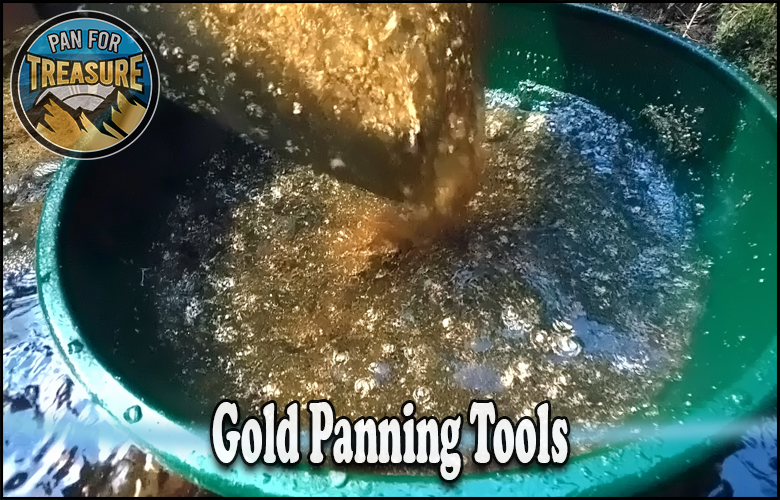
Gold panning tools can make or break your success in the field, turning a frustrating day into a productive treasure hunt.
Whether you’re building your first prospecting kit or upgrading to professional-grade equipment, having the right tools for the job makes all the difference between finding gold and going home empty-handed.
This complete equipment directory covers every essential tool and piece of gear modern gold prospectors need, from basic pans to advanced processing equipment.
TL;DR – Gold Panning Tools
- Essential starter tools: 14″ steel pan, 1/4″ classifier, folding shovel, snuffer bottle (under $50)
- Most important upgrade: Quality sluice box increases recovery rates significantly
- Tool categories: Pans, classifiers, shovels, sluices, testing equipment, and processing gear
- Budget approach: Start with basics, upgrade gradually as you learn what you need
- Professional level: Motorized equipment requires permits and significant investment
- Maintenance matters: Clean, dry, and properly store tools to maximize lifespan
- Bottom line: Quality basics outperform cheap complete kits every time
Complete Directory of Gold Panning Tools
Having the right gear makes the difference between a productive day on the creek and wasted effort. These guides cover every tool a gold prospector needs, organized by category and experience level.


Pans and Sluice Boxes










Gold Panning Kits




Sifters and Classifiers






Shovels and Picks




Portable Processing Plants

Safety Equipment


Gold Testing



Metal Detectors




















Essential Tool Categories
Basic Gold Panning Tools (Beginner Level)
Start with these fundamental tools that form the foundation of every prospector’s kit:
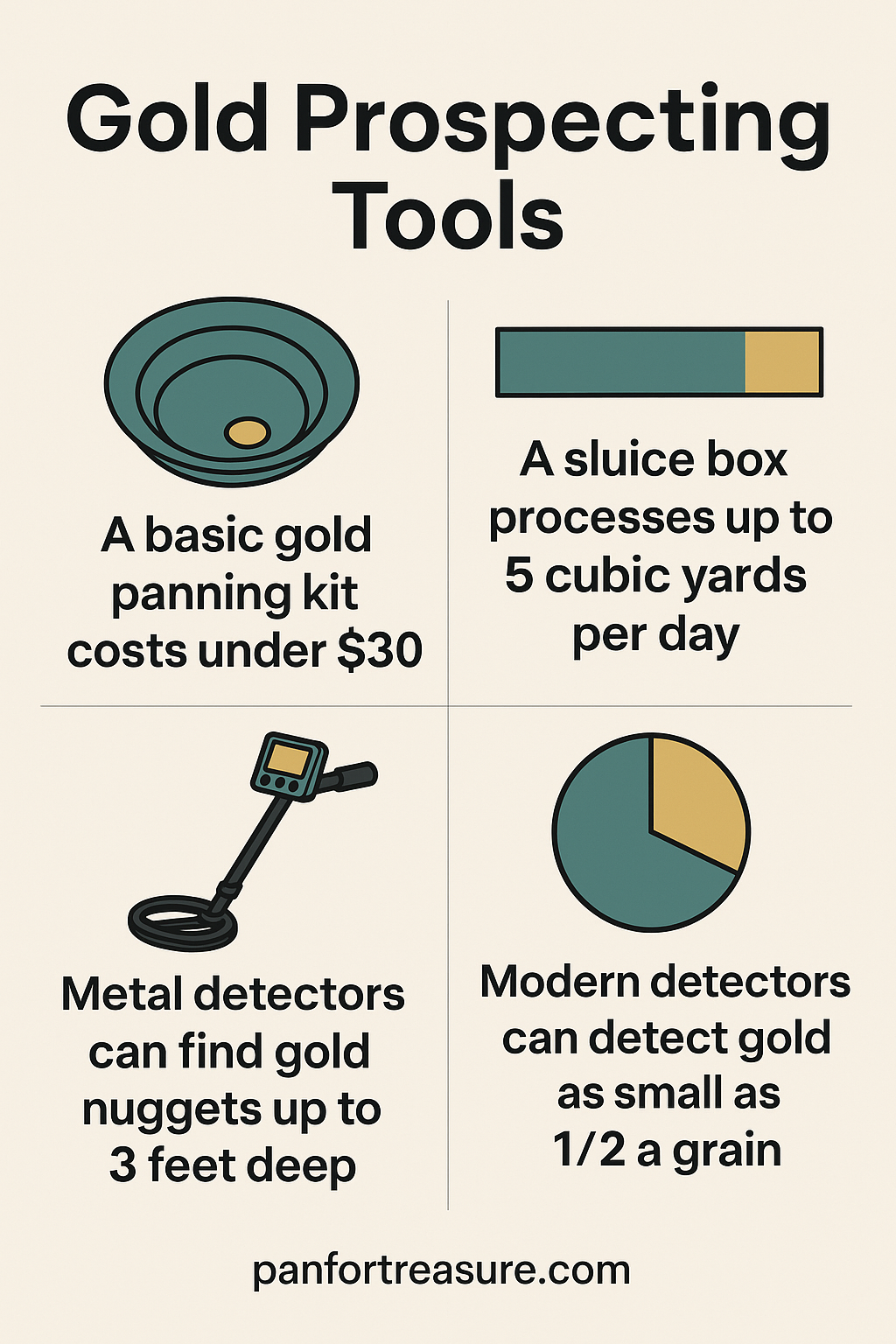
- Gold pans: 14-inch steel or plastic pans for material processing
- Classifiers: 1/4-inch mesh for removing large rocks and debris
- Hand shovels: Folding or fixed-blade shovels for moving material
- Snuffer bottles: Suction devices for picking up fine gold flakes
- Sample vials: Small containers for storing gold finds
Intermediate Gold Panning Tools
Expand your capabilities with these efficiency-boosting tools:
- Sluice boxes: Stream sluices for processing larger volumes
- Multiple classifiers: Various mesh sizes for different conditions
- Prospecting picks: Specialized tools for breaking up hardpack
- Magnifying equipment: Loupes and magnifiers for identifying small gold
- Testing kits: Acid test kits for verifying gold authenticity
Advanced Processing Equipment
Professional-level tools for serious prospectors:
- Highbankers: Motorized processing plants for dry washing
- Portable mills: Rock crushing and processing equipment
- Electronic testing: Digital scales and electronic gold testers
- Concentrating tables: Gravity separation equipment
- Clean-up systems: Blue bowls and spiral wheels for final processing
Gold Pans and Sluice Boxes
The foundation of gold recovery – from basic panning to efficient stream sluicing.
- Choosing the Right Gold Pan
- Gold Pans Selection: Pick the Perfect Size
- Best Gold Sluice Boxes
- Sluice Box vs. Gold Pan: Best Choice for You
- Sluicing Best Practices
Sifters and Classifiers
Essential tools for separating material by size and improving gold recovery efficiency.
- Mastering Gold Classifiers: Choosing the Right Mesh
- Gold Prospecting Success: Choosing the Right Classifier
- Different Types of Sifting Screens and Their Applications
- The Art of Fine Gold Classification
Shovels and Picks
Digging and excavation tools designed specifically for prospecting conditions.
- Best Prospecting Picks and Shovels
- Selecting the Perfect Shovel
- The Role of Picks in Prospecting
- Gold Digging Techniques: Move More Material
Tool Selection by Experience Level
Beginner Tool Recommendations
Starter Kit ($40-60)
- 14-inch steel gold pan – Larger pans are easier to learn with
- 1/4-inch classifier – Removes rocks, speeds up panning
- Folding camp shovel – Portable and durable
- Snuffer bottle – Essential for fine gold recovery
- Small sample vials – Store and display your finds
Why Start Simple
- Learn fundamental techniques before investing in expensive gear
- Understand what tools you actually need through experience
- Build skills with basic equipment that works everywhere
- Avoid overwhelming yourself with too many options
Intermediate Tool Upgrades
Next-Level Kit ($100-200)
- Portable sluice box – Process 10x more material per hour
- Multiple classifiers – 1/8″, 1/4″, and 1/2″ mesh options
- Prospecting pick – Break up hardpack and clay
- Magnifying loupe – Identify fine gold and minerals
- Gold testing kit – Verify your finds in the field
Advanced Professional Setup
Serious Prospector Kit ($500-2000+)
- Highbanker or power sluice – Motorized processing capability
- Electronic gold tester – Precise purity measurements
- Portable crusher/mill – Process hard rock samples
- Concentration equipment – Blue bowls, spiral wheels, shaking tables
- Sampling and assay tools – Professional-grade testing equipment
Gold Panning Kits vs. Individual Tools
Complete Kit Advantages
- Convenience: Everything included in one purchase
- Cost savings: Often cheaper than buying items separately
- Beginner-friendly: Takes guesswork out of tool selection
- Compatibility: All tools designed to work together
Individual Tool Advantages
- Quality control: Choose the best tool in each category
- Customization: Select tools for your specific needs
- Gradual investment: Buy quality tools over time
- Replace as needed: Upgrade individual tools when they wear out
Complete Kit Guides
- Recommended Gold Panning Kits
- Gold Panning Kit Selection: Avoid Cheap Sets
- Customizing Your Gold Panning Kit
- Kids Gold Panning Kits
Processing and Testing Equipment
Advanced tools for processing larger quantities and testing your finds.
Tool Maintenance and Care
Cleaning and Storage
- After each use: Rinse all tools with clean water
- Dry thoroughly: Prevent rust on steel components
- Inspect regularly: Check for damage or excessive wear
- Store properly: Keep tools organized and protected
Maintenance Schedule
After Every Trip
- Clean mud and debris from all tools
- Check classifier screens for holes or damage
- Oil moving parts on sluice boxes
- Inspect handles and connections
Monthly Deep Cleaning
- Disassemble sluice boxes for thorough cleaning
- Replace worn mat materials
- Sharpen pick points and shovel edges
- Recalibrate electronic testing equipment
Safety Equipment and Considerations
Personal Safety Gear
- Knee pads: Protect knees during extended panning
- Gloves: Prevent cuts and improve grip
- Sun protection: Hats, sunscreen, and protective clothing
- First aid kit: Basic medical supplies for remote areas
Tool Safety Features
- Ergonomic designs: Reduce strain and fatigue
- Non-slip grips: Prevent accidents in wet conditions
- Rounded edges: Minimize cut risks on metal tools
- Secure connections: Prevent tools from being lost in streams
Seasonal Tool Considerations
Cold Weather Modifications
- Insulated handles: Prevent heat loss through metal tools
- Waterproof storage: Protect tools from ice and snow
- Battery warmers: Keep electronic equipment functional
- Anti-freeze solutions: Prevent water systems from freezing
Hot Weather Adaptations
- UV-resistant materials: Prevent plastic degradation
- Cooling accessories: Towels and shade structures
- Extra water storage: Stay hydrated in desert conditions
- Heat-resistant components: Tools that won’t warp or melt
Budget Planning for Gold Panning Tools
Starter Budget ($50-100)
- Focus on essential tools only
- Choose durable basics over cheap complete sets
- Buy from reputable prospecting suppliers
- Plan for gradual upgrades as skills develop
Intermediate Budget ($200-500)
- Add efficiency-improving tools like sluice boxes
- Invest in multiple classifiers and specialized pans
- Include testing and identification equipment
- Consider portable processing equipment
Professional Budget ($1000+)
- Motorized processing equipment
- Electronic testing and measurement tools
- Specialized sampling and assay equipment
- Backup tools and replacement parts
Looking for Metal Detectors?
We have a full section dedicated to metal detectors for gold prospecting, including buying guides, brand comparisons, and technique guides.
Complete Buying Guides
- Best Tools for Gold Panning: Top-Rated Equipment for 2026
- Advanced Panning Equipment: Professional Tools
- Gold Panning Safety: Avoid Mistakes That Cause Injuries
Frequently Asked Questions
What are the most important gold panning tools for beginners?
The essential starter tools are a 14-inch gold pan, 1/4-inch classifier, folding shovel, and snuffer bottle. This basic kit costs under $50 and provides everything needed to learn proper panning technique and start finding gold.
Should I buy a complete gold panning kit or individual tools?
For beginners, quality individual tools often provide better value than complete kits. Many kits include low-quality items or unnecessary accessories. Focus on buying the best pan, classifier, and shovel you can afford rather than a large kit with mediocre components.
When should I upgrade to a sluice box?
Consider a sluice box after you’ve mastered basic panning technique and consistently find gold in your area. Sluices allow you to process much more material but require understanding of proper setup and water flow management.
How much should I spend on gold panning tools as a beginner?
A quality starter kit costs $40-60 for essential tools. Avoid spending less than $30 as the quality will be poor, but you don’t need to spend over $100 until you’ve gained experience and know what additional tools you actually need.
What’s the difference between steel and plastic gold pans?
Steel pans are more durable and provide better material separation due to their weight, but they’re heavier to carry and can rust if not properly maintained. Plastic pans are lighter and rust-free but may not perform as well for fine gold recovery.
Do I need different tools for different types of gold deposits?
Basic tools work in most locations, but fine gold areas benefit from specialized equipment like fine-mesh classifiers and blue bowls, while nugget hunting may require metal detectors and larger processing equipment. Start with basics and adapt based on local conditions.
Regional Tool Considerations
Western States
- Larger processing capacity: More productive areas justify bigger sluices
- Dry washing equipment: Highbankers for desert prospecting
- UV protection: Sun-resistant materials for high-altitude locations
Eastern States
- Portable equipment: Limited access requires lightweight, compact tools
- Fine gold recovery: Specialized equipment for small flakes
- Environmental sensitivity: Low-impact tools for sensitive areas
Alaska and Northern Regions
- Cold-weather rated: Tools that function in freezing temperatures
- Extended capacity: Process more material during short seasons
- Durable construction: Equipment that withstands harsh conditions
Conclusion
The right gold panning tools can transform your prospecting experience from frustrating trial-and-error to efficient gold recovery.
Whether you’re just getting started with basic panning or ready to invest in professional processing equipment, understanding your options helps you make smart purchasing decisions that match your skill level and local conditions.
Remember that gold panning tools are investments in your outdoor adventures and potential discoveries. Quality equipment, properly maintained, will serve you for years of prospecting while cheap tools often fail when you need them most. Start with reliable basics, learn proper techniques, and upgrade gradually as your skills and interests develop.
Sources and References
- Bureau of Land Management – Prospecting Equipment Guidelines
- U.S. Forest Service – Recreational Mining Equipment Standards
- Occupational Safety and Health Administration – Mining Safety Equipment
- Environmental Protection Agency – Mining Equipment Regulations
- National Institute of Standards and Technology – Measurement and Testing Standards
- United States Geological Survey – Mineral Sampling and Testing Methods
Information verified as of February 2026. Equipment standards and safety regulations subject to change.
Subscribe to Our Newsletter