Types of gold deposits describe the different ways gold forms and collects in the earth, and understanding them is one of the most valuable things a prospector can learn. Gold occurs in several distinct kinds of deposits, from the stream placers most hobbyists work to the hard-rock lodes they erode from. Knowing how each type forms helps you predict where gold will be and choose the right approach to find it.
TL;DR
- Placer deposits: gold concentrated by water in streams and gravel.
- Lode deposits: gold still locked in its original hard rock.
- Alluvial deposits: a common placer type in river systems.
- Residual and bench deposits: gold near its source or on old channels.
- Hard-rock varieties: deposits formed at different depths and temperatures.
- Know the type: matching method to deposit is the key to success.
Placer Deposits
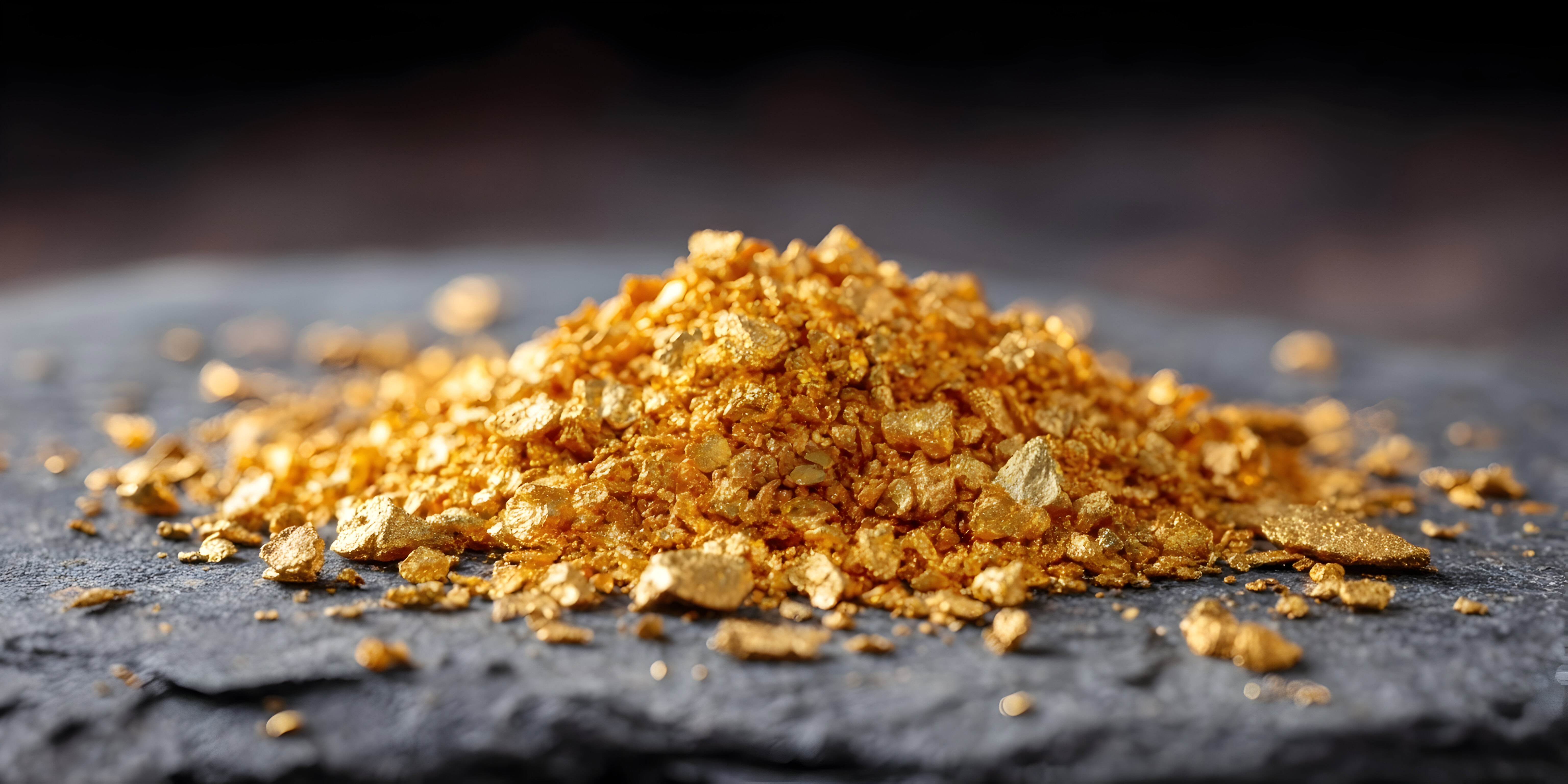
Placer deposits are the type most recreational prospectors work, and for good reason. They form when gold weathers out of its original rock and is carried by water, then concentrated in streams, rivers, and gravel where the current slows. Because gold is heavy, it drops out and collects in predictable spots.
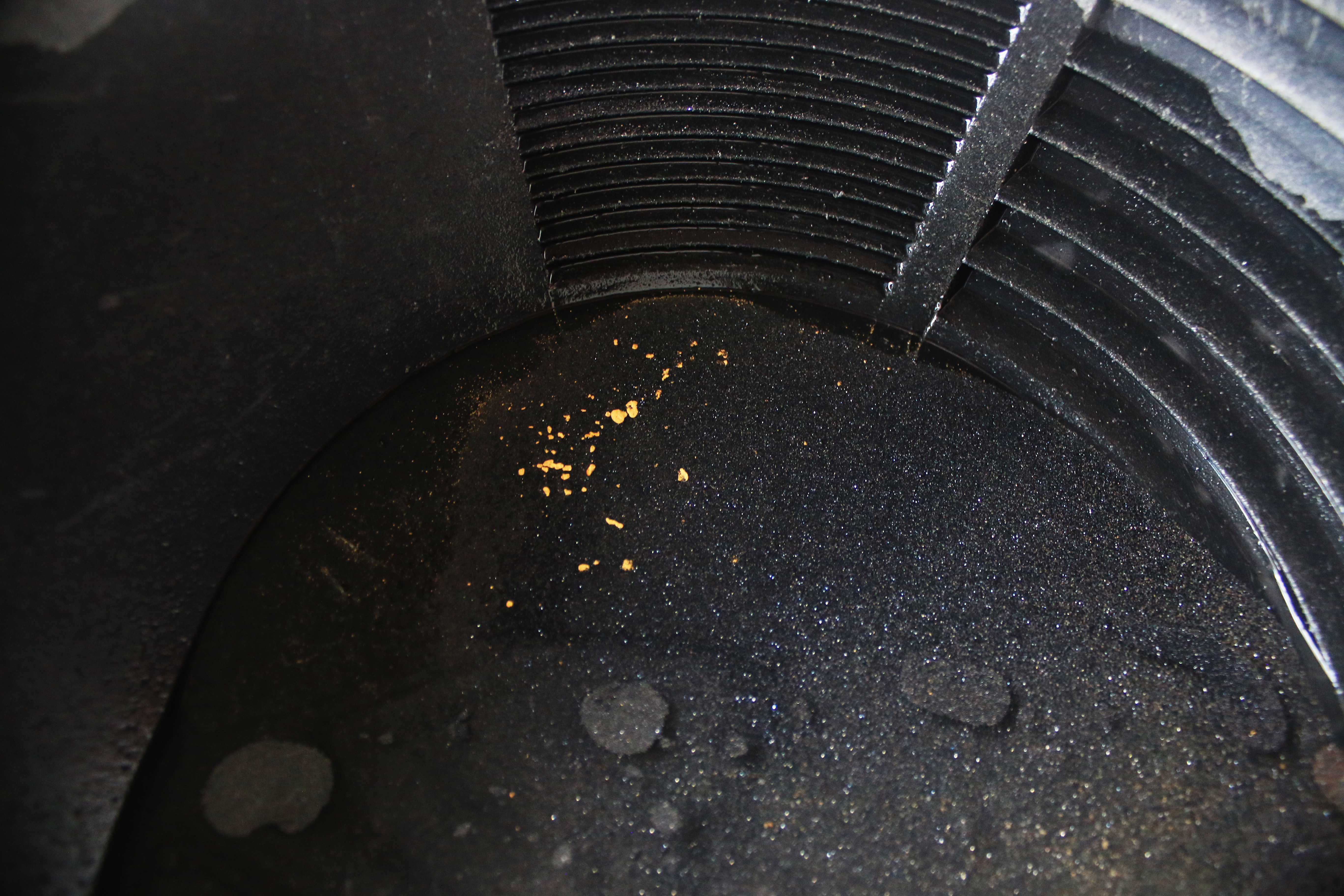
This is the gold you find by panning and sluicing. Placer deposits are accessible, require relatively simple equipment, and reward an understanding of how water moves and sorts material. Learning to read a stream for placer gold is the foundation of most hobby prospecting.
| Deposit Type | How It Forms | Prospector Access |
|---|---|---|
| Placer | Gold concentrated by water | Panning, sluicing |
| Lode | Gold in original hard rock | Hard-rock methods |
| Alluvial | Placer in river systems | Panning, sluicing |
| Residual | Gold near its source rock | Digging near lodes |
Varieties of Placer Deposits
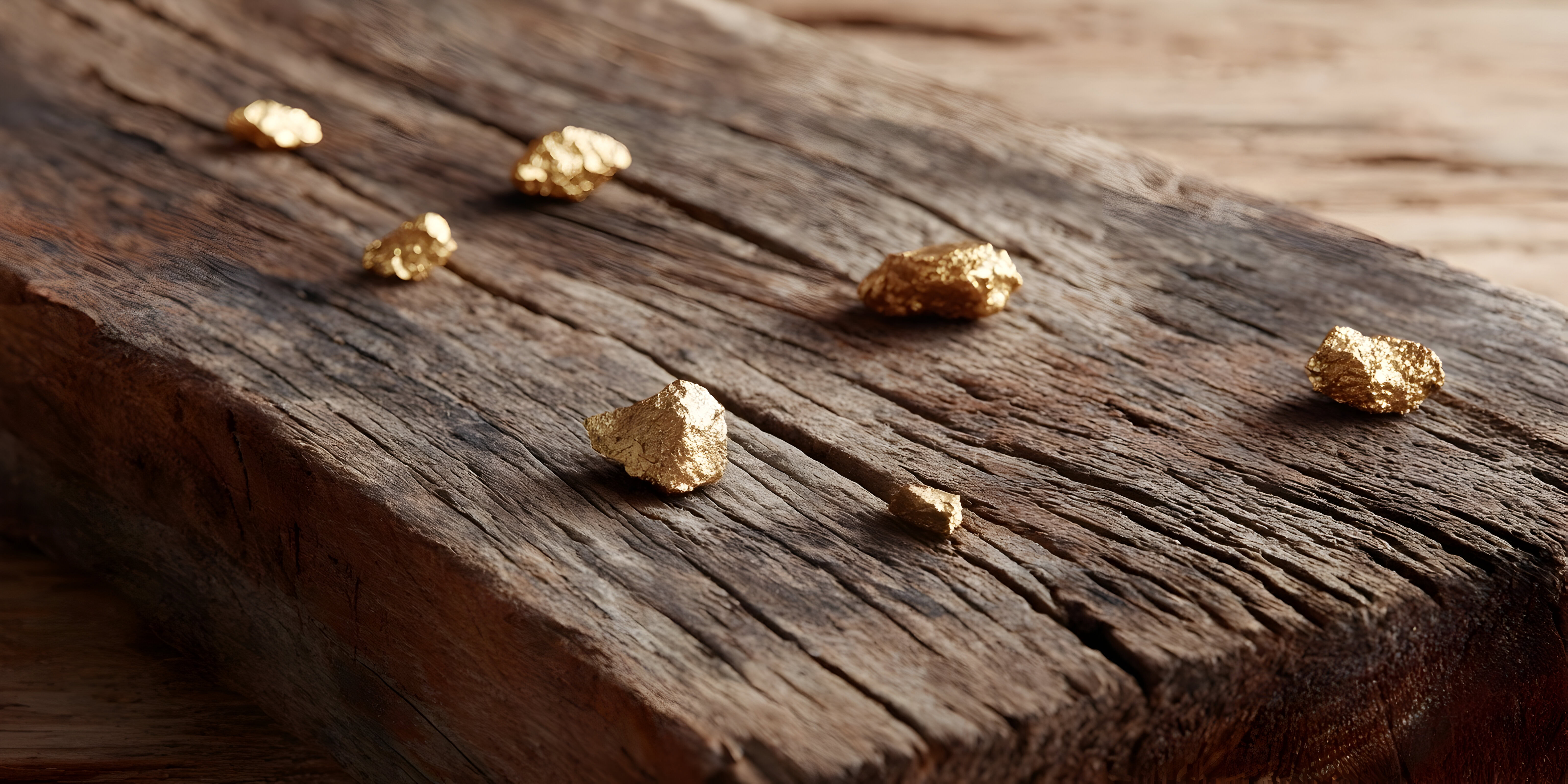
Placer deposits themselves come in several forms, and recognizing them helps you find gold others miss. Alluvial placers are the classic river and stream deposits carried well away from the source. Residual placers sit close to the original lode, where gold has weathered out but not traveled far.
Bench placers are especially useful to know: these are old stream channels left high and dry when a river cut a new, lower course, so they hold gold on terraces above the current water. Understanding these varieties lets you look beyond the active streambed to the surrounding landscape.
- Alluvial placers: gold carried and deposited by rivers and streams.
- Residual placers: gold that has weathered out but stayed near its source.
- Bench placers: gold on old channels above the current stream.
- Gravel bars and inside bends: where flowing water drops gold.
- Bedrock traps: cracks that catch and hold heavy gold.
Lode and Hard-Rock Deposits
Lode deposits are gold still held in its original hard rock, the primary source that placers ultimately come from. These form when gold-bearing fluids move through the earth and deposit gold in veins and rock formations, and they require very different, more involved methods to work than placers.
Geologists further classify hard-rock deposits by the conditions under which they formed, at different depths and temperatures within the crust, which affects their character and the minerals found alongside the gold. While most hobbyists focus on placers, understanding lodes matters because they are the source: finding where a lode has eroded often points you to rich placer ground downstream.
- Lode gold sits in veins within hard rock.
- It forms from mineral-rich fluids moving through the crust.
- Deposits vary by the depth and temperature of formation.
- Different types carry different associated minerals.
- Lodes are the ultimate source that feeds placers.
Recommended Reading
Why Knowing the Type Matters
Understanding deposit types transforms how you prospect, because each type demands a different strategy. Placer gold is found by reading water and working gravel with a pan or sluice, while lode gold requires hard-rock methods entirely. Knowing which you are dealing with keeps your effort focused and effective.
More powerfully, understanding how types connect helps you find gold. Recognizing that placers erode from lodes lets you trace stream gold back toward its source, or work downstream from a known lode. Reading the landscape for bench placers and residual deposits opens up ground beyond the obvious streambed. Whatever type you pursue, always confirm you have legal access before prospecting. That understanding of deposit types is what turns random searching into targeted, successful prospecting.
Resources for Understanding Gold Deposits
- U.S. Geological Survey (USGS) – Authoritative information on gold deposits and geology.
- USGS Mineral Resources Online Spatial Data – Documented gold occurrences by deposit type.
- Bureau of Land Management (BLM) – Land status and rules for prospecting public lands.
- USDA Forest Service – Rules for prospecting on national forest lands.
- Gold Prospectors Association of America (GPAA) – Education and community for prospectors.
Conclusion
Gold forms in several distinct kinds of deposits, from the water-concentrated placers that hobbyists work to the hard-rock lodes that feed them, with alluvial, residual, and bench placers offering their own opportunities. Each type forms differently and rewards a different approach.
Learn to recognize them, understand how they connect, and match your method to the deposit, and you will prospect far more effectively than by chance alone. That practical knowledge is the real payoff of understanding the types of gold deposits.
Frequently Asked Questions – Types of Gold Deposits
What is the difference between placer and lode deposits?
Placer deposits are gold concentrated by water in streams and gravel, which most hobbyists work by panning. Lode deposits are gold still locked in its original hard rock, the primary source that placers erode from, requiring very different hard-rock methods.
Which type do recreational prospectors work?
Placer deposits, overwhelmingly. They are accessible, need only relatively simple equipment like a pan or sluice, and reward understanding how water sorts material. Reading a stream for placer gold is the foundation of most hobby prospecting.
What are alluvial deposits?
Alluvial placers are the classic river and stream deposits, gold carried by water well away from its original source and deposited in creek gravels. They are a common and productive placer type that prospectors work by panning and sluicing.
What is a bench placer?
A bench placer is an old stream channel left high and dry when a river cut a new, lower course. It holds gold on terraces above the current water, so knowing to look there opens ground beyond the active streambed.
What are residual deposits?
Residual placers are gold that has weathered out of its lode source but not traveled far, staying close to the original rock. Finding them means working near a known or suspected hard-rock source rather than far downstream.
How do lode and placer deposits connect?
Placers erode from lodes. Gold weathers out of hard-rock lode sources and water carries and concentrates it into placers downstream. Recognizing this lets you trace placer gold back toward its source or work downstream from a known lode.
Why should I learn deposit types?
Because each type demands a different strategy, and understanding how they connect helps you find gold. Matching your method to the deposit and reading the landscape for different placer types turns random searching into targeted, effective prospecting.
Do I need permission to prospect any deposit?
Yes. Regardless of deposit type, land ownership and rules apply. Always confirm you have legal access and check for existing claims through the appropriate agency before prospecting any ground, since requirements vary by location and land status.
⛏ Recommended Gear ⛏


* As an Amazon Associate I earn from qualifying purchases at no extra cost to you.
Subscribe to Our Newsletter

Ryan Conlon is the founder of Pan for Treasure.
A lifelong gold panning enthusiast, he created this site to help beginners learn the ropes and share practical tips from his own time on the creek. [email protected]