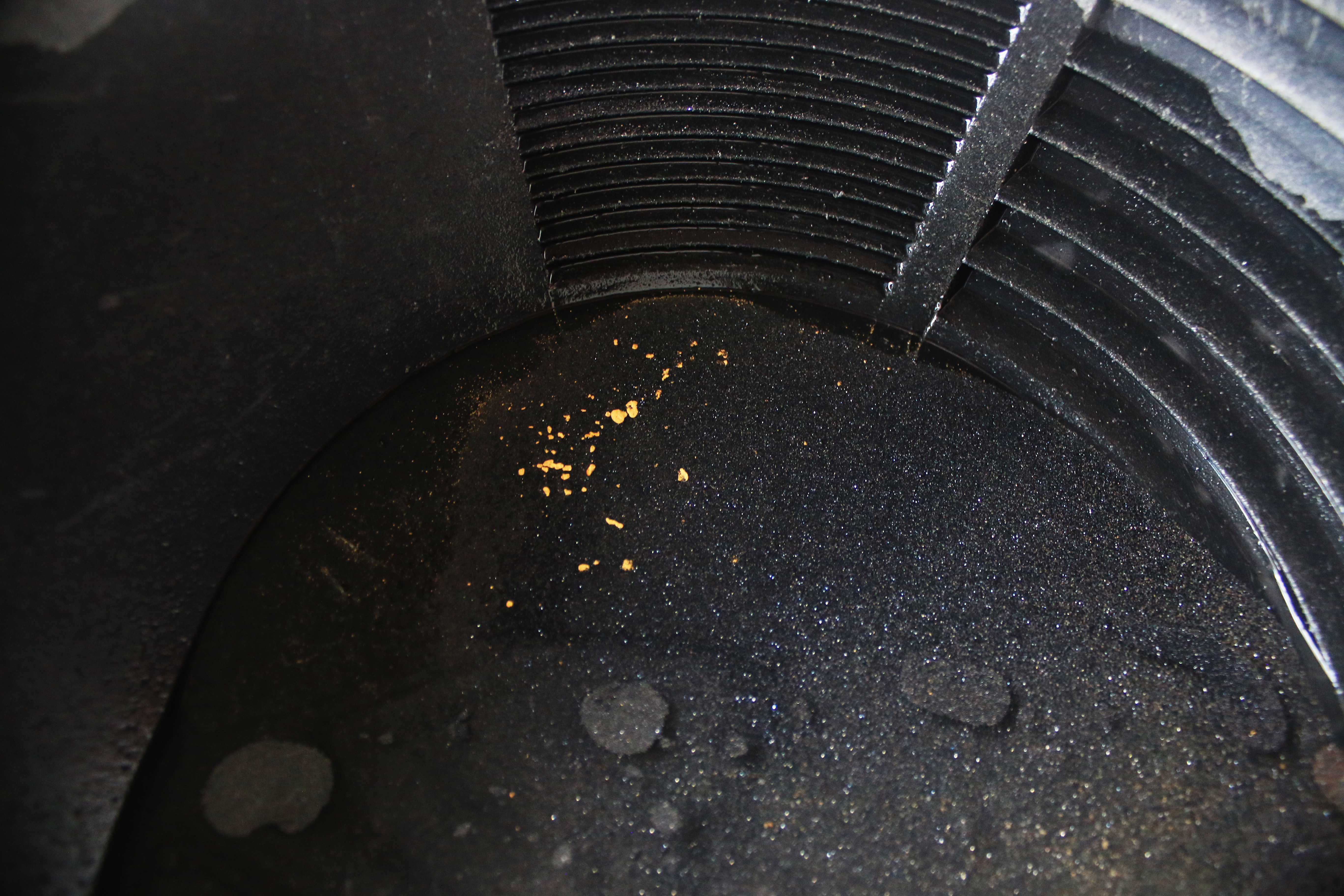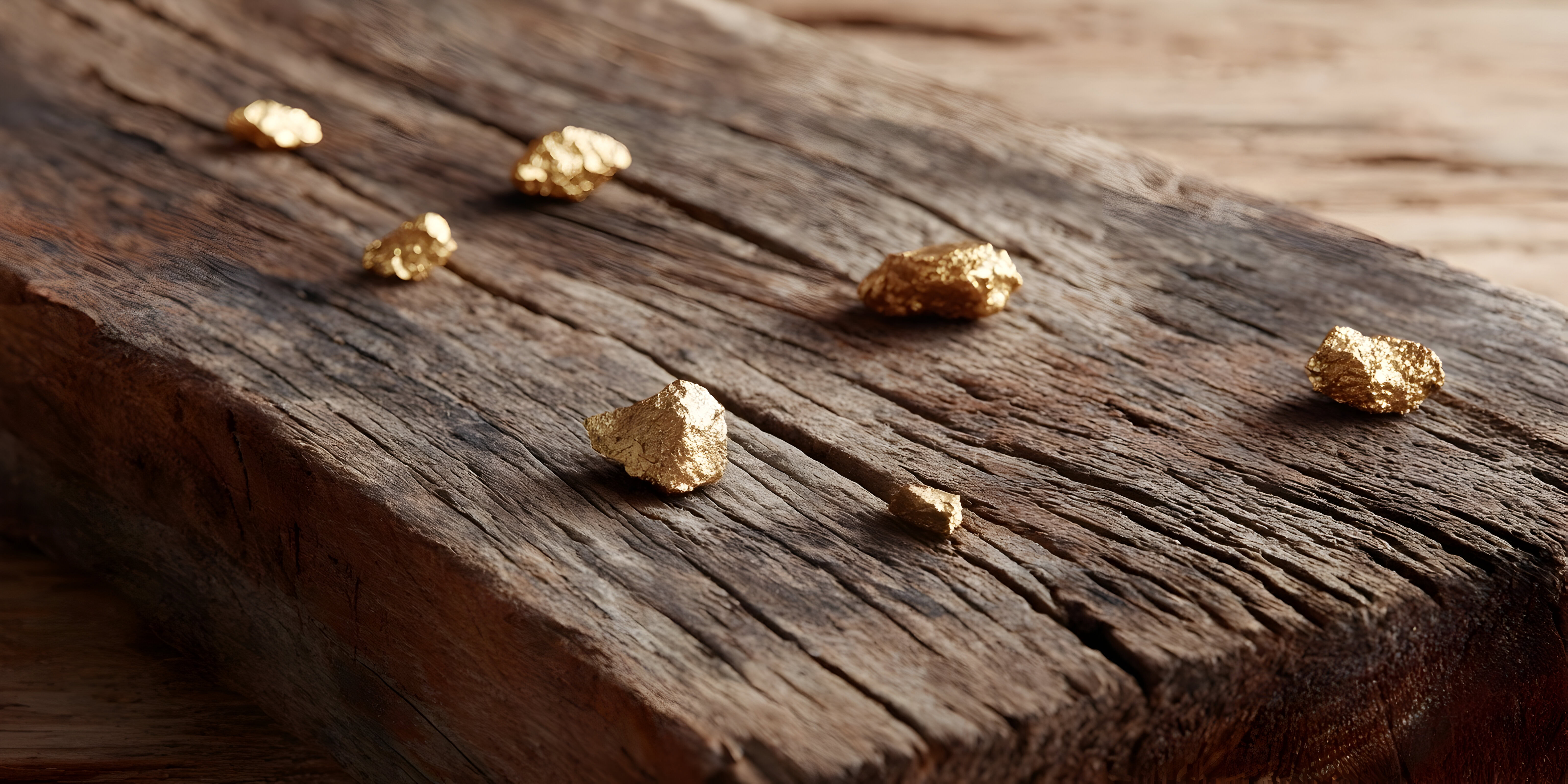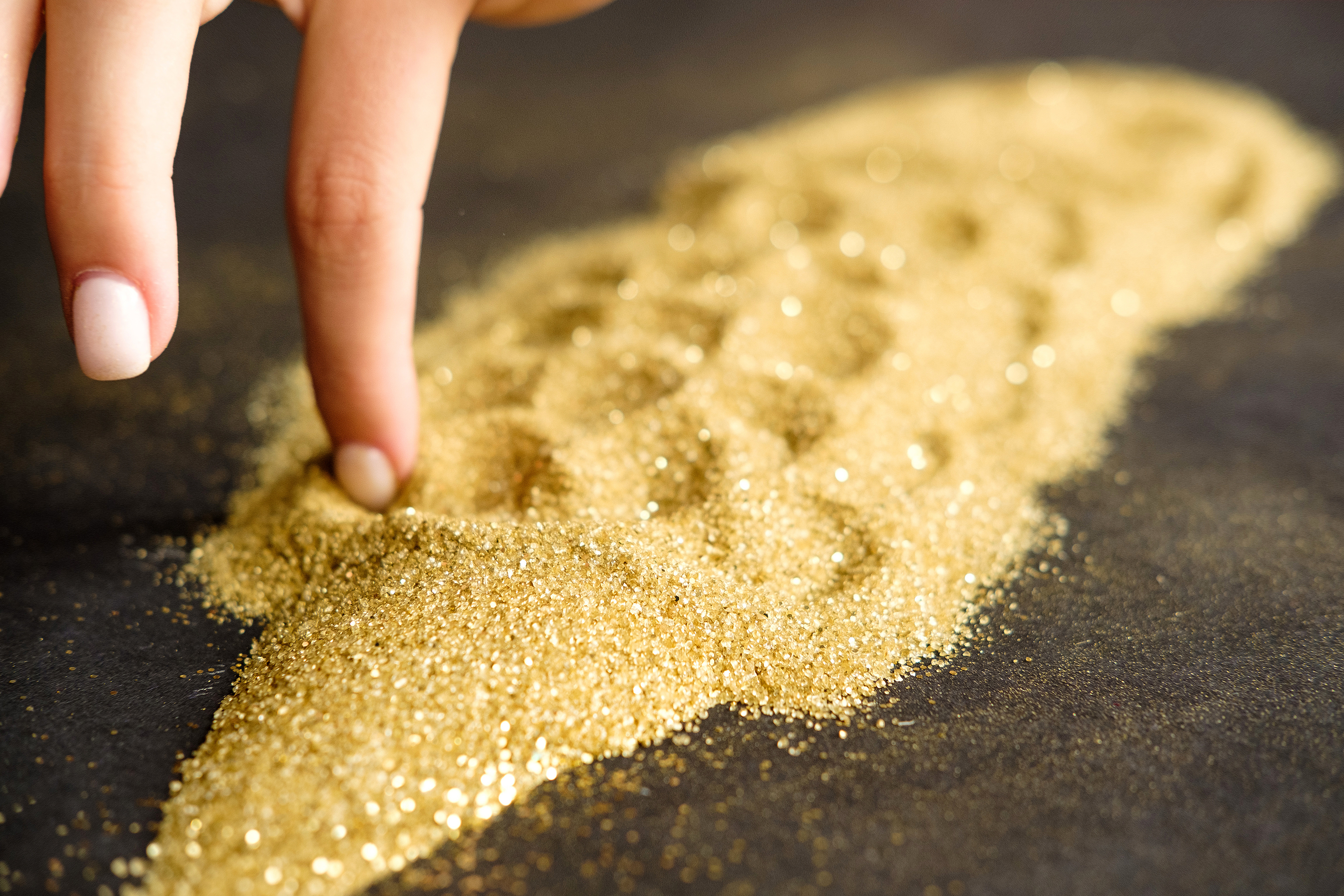
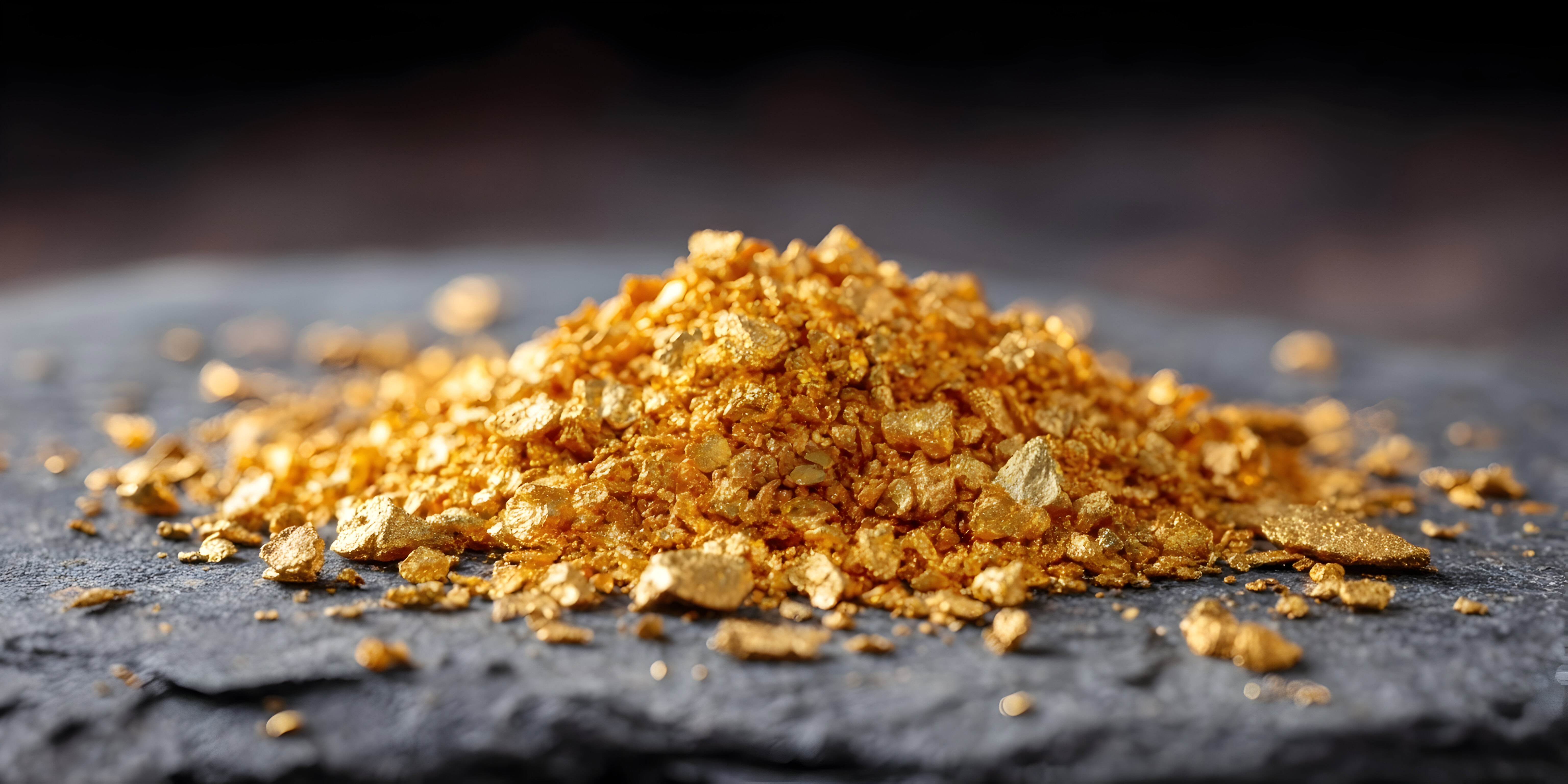
Placer gold deposits are where most prospectors find their gold, formed when gold erodes from its original rock and is carried and concentrated by water in streams, rivers, and gravel. Because this gold is loose and heavy, it settles in predictable spots you can reach with simple tools like a pan or sluice. Understanding how placer deposits form and where gold collects within them is the single most valuable skill for a recreational prospector.
TL;DR
- How they form: gold erodes from rock and water concentrates it in gravel.
- Where to look: creek drainages that have carried gold over time.
- Gold drops where water slows: bends, bars, and behind obstacles.
- Types vary: residual, alluvial, and bench placers each behave differently.
- Simple tools work: pan and sluice recover most placer gold.
- Reach bedrock: the richest placer gold settles at the bottom.
How Placer Deposits Form
Placer gold deposits form through a natural sorting process. Gold weathers out of its original hard-rock source, and water then carries it downstream, dropping it wherever the current slows enough that heavy gold can no longer be moved. Over long periods, this concentrates gold into layers within creek and river sediments.
This is why placer prospecting works: nature has already done much of the concentrating for you. Your job is to understand where water drops its heavy load and to work that material. The famous gold rushes, from California to Alaska and the Klondike, were built on prospectors learning to read exactly this process.
| Placer Type | Where Gold Sits |
|---|---|
| Alluvial | In active river and stream gravels |
| Residual | Near the original source rock |
| Bench | On old channels above the current stream |
| Bedrock traps | In cracks and crevices at the bottom |
Where Gold Collects
The key to placer prospecting is knowing where gold drops out. Because gold is far heavier than sand and gravel, it settles wherever moving water loses energy. That means the inside of river bends, behind boulders and other obstacles, on gravel bars, and in any spot where the current slows.
Gold also works its way downward over time until it hits bedrock, so the deepest gravel and the cracks in bedrock hold the richest concentrations. Reading a stream for these features, and digging down to the productive layers, is what separates a good placer prospector from someone panning random gravel.
- Target the inside of bends where current slows.
- Work behind boulders and obstacles that break the flow.
- Dig into gravel bars where the stream drops its load.
- Reach down to bedrock where heavy gold settles.
- Clean out bedrock cracks and crevices thoroughly.
Types of Placer Deposits
Not all placers are the same, and knowing the varieties helps you find gold beyond the obvious streambed. Residual placers sit close to the original lode source, where gold has weathered out but not traveled far. Alluvial placers are the classic river and stream deposits, gold carried well downstream and concentrated in creek gravels.
Bench placers are particularly worth understanding: they are old stream channels stranded on terraces above the current water, left behind when a river cut a new, lower course. They can hold rich gold that active-stream prospectors overlook entirely, so learning to spot these old channels above a creek opens up valuable new ground.
- Residual placers: gold near its source, not far traveled.
- Alluvial placers: gold carried and deposited by rivers.
- Bench placers: gold on old channels above the current stream.
- Gravel bar deposits: where flowing water drops its load.
- Ancient channels: buried older courses that can hold gold.
Recommended Reading
Working Placer Deposits
The great appeal of placer deposits is that simple tools recover the gold. A gold pan concentrates material by hand, while a sluice box processes larger volumes using flowing water and riffles. Classifying your material first makes both work far better and reduces lost fine gold.
The approach is to find promising ground, dig down toward bedrock where the richest gold lies, classify and process the gravel, and finish carefully to keep even the fine flakes. Some methods and equipment beyond basic panning are restricted in certain waters, so always check local rules and confirm you have legal access before working any spot. Mastering these fundamentals on placer ground is how nearly every successful prospector begins.
Resources for Placer Prospecting
- U.S. Geological Survey (USGS) – Information on placer deposits and gold geology.
- USGS Mineral Resources Online Spatial Data – Documented placer gold occurrences.
- Bureau of Land Management (BLM) – Land status, claims, and rules for public lands.
- USGS Water Data for the Nation – Streamflow data for judging safe conditions.
- Gold Prospectors Association of America (GPAA) – Clubs, claims, and education for prospectors.
Conclusion
Placer deposits are the heart of recreational prospecting: gold that nature has already eroded, transported, and concentrated into gravels you can work with simple tools. Understanding how they form, where gold collects, and the different placer types lets you target the richest ground.
Read the water, dig to bedrock, process carefully, and always prospect legally, and you will make the most of these deposits. That understanding of where and how gold settles is exactly what makes placer gold deposits the best starting point for any prospector.
Frequently Asked Questions – Placer Gold Deposits
What are placer gold deposits?
They are concentrations of gold that eroded from its original rock and were carried and deposited by water in streams, rivers, and gravel. Because this gold is loose and heavy, it settles in predictable spots reachable with simple tools like a pan or sluice.
How do placer deposits form?
Gold weathers out of its hard-rock source, and water carries it downstream, dropping it wherever the current slows enough that heavy gold can no longer move. Over time this concentrates gold into layers within creek and river sediments.
Where does gold collect in a stream?
Wherever moving water loses energy: the inside of bends, behind boulders and obstacles, on gravel bars, and especially down on bedrock. Gold also sinks over time until it hits bedrock, so the deepest gravel holds the richest concentrations.
What are the main types of placer deposits?
Residual placers sit near the source rock, alluvial placers are the classic river deposits carried downstream, and bench placers are old channels stranded above the current stream. Each behaves differently and offers its own prospecting opportunities.
What is a bench placer?
A bench placer is an old stream channel left on a terrace above the current water when a river cut a new, lower course. These can hold rich gold that active-stream prospectors overlook, so spotting old channels above a creek opens valuable ground.
What tools work for placer gold?
Simple ones. A gold pan concentrates material by hand, and a sluice box processes larger volumes with flowing water and riffles. Classifying your material first makes both far more effective and reduces the fine gold you lose.
Why dig down to bedrock?
Because gold is heavy and works its way down until it hits bedrock, so the deepest gravel and bedrock cracks hold the richest gold. Reaching and cleaning out bedrock is often what turns an average spot into a productive one.
Do I need permission to work placers?
Often, yes. Land ownership, claims, and equipment rules apply, and some methods are restricted in certain waters. Always confirm you have legal access and check local regulations before working any placer ground, since requirements vary by location.
⛏ Recommended Gear ⛏


* As an Amazon Associate I earn from qualifying purchases at no extra cost to you.
Subscribe to Our Newsletter

Ryan Conlon is the founder of Pan for Treasure.
A lifelong gold panning enthusiast, he created this site to help beginners learn the ropes and share practical tips from his own time on the creek. [email protected]