
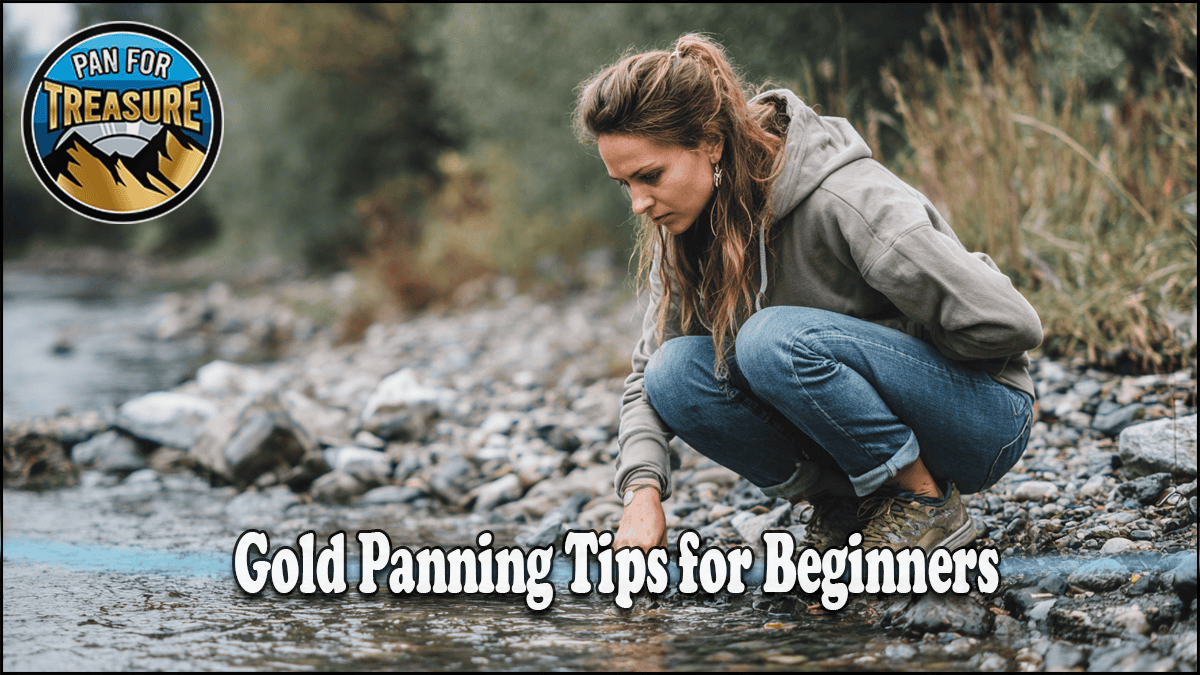
Gold panning is one of the few outdoor hobbies where a complete beginner can walk down to a creek, swirl some gravel in a pan, and hold real gold in their hand the same afternoon.
The trick is knowing where to look, how to move the pan, and which mistakes quietly cost you the gold you have already dug. Most newcomers lose their color not because it is not there, but because they wash it out of the pan without ever seeing it.
This page pulls together our best beginner tips, techniques, and safety advice into one place so you can go from curious to confident before your first trip to the water.
TL;DR – Gold Panning Tips for Beginners
- Buy the right starter gear: A 14-inch plastic pan, a classifier, a snuffer bottle, and vials will cover your first dozen trips.
- Slow down: Gold is heavy. Shake material to settle it, then let water carry off the lighter sand and gravel a little at a time.
- Read the creek: Look for inside bends, behind boulders, and cracks in bedrock where heavy gold naturally collects.
- Know the local rules: Check your state’s panning laws and any permit requirements before you dig.
- Watch the black sand: Fine gold hides in heavy black sand at the bottom of your pan – learn to separate it.
- Stay safe: Cold water, slick rocks, and moving current cause more beginner trouble than anything else.
- Bottom line: Master the basic pan motion, pick a proven spot, and go home with color your first day out.




Start Here: Beginner Guides
These guides walk you through your very first gold panning trip, from the equipment you need to reading your first flakes in the pan.
- Getting Started with Gold Panning
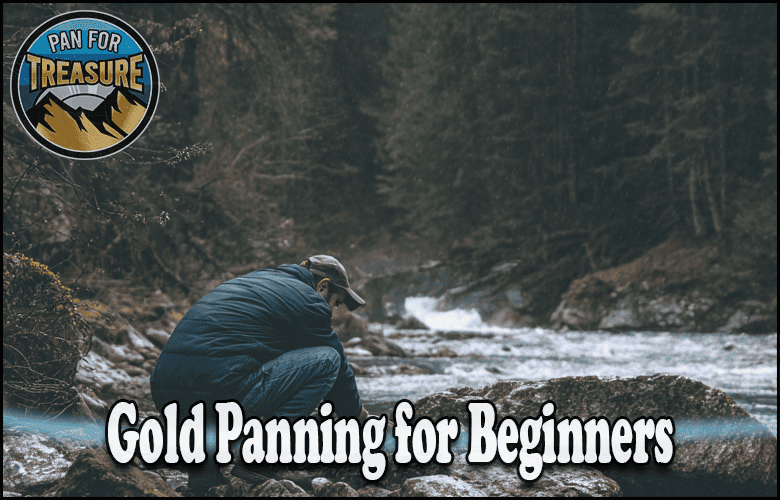
- Gold Panning for Beginners
- How to Pan for Gold
- Gold Panning Techniques for Beginners
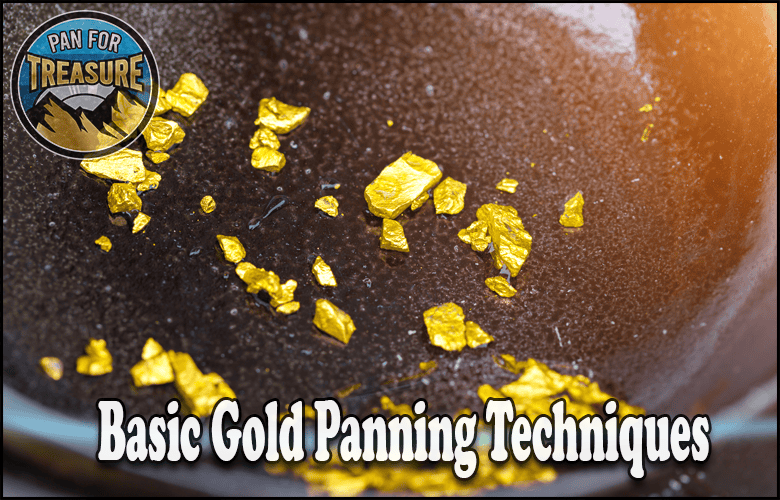
- Basic Gold Panning Techniques
- Finding Your First Gold Flakes
Choosing Your First Gear
You do not need expensive equipment to start. These guides help you build a simple, effective beginner kit without wasting money.
- Essential Gold Panning Equipment for Beginners
- Choosing the Right Gold Pan: A Beginner’s Buying Guide
- The Complete Gold Panning Kit
- Kids’ Gold Panning Kits
- Best Tools for Gold Panning
Reading the Creek: Where to Look
Gold is where you find it, but it is not random. These guides teach you to read moving water and target the spots where heavy gold settles.
- Selecting the Ideal Gold Panning Location
- What Are the Signs of Gold in a Creek?
- Where Is Gold Most Likely to Be Found?
- Do All Creeks Have Gold?
- Understanding Gold Deposits: What Every Beginner Should Know
Common Beginner Mistakes
Almost every new panner makes the same handful of errors. Learn to spot and fix them and your recovery rate climbs immediately.
- Common Beginner Mistakes
- Mistakes to Avoid in Your Early Adventures
- Troubleshooting Gold Panning
- Identifying Gold in Your Pan
- Dealing with Black Sand
Staying Safe on the Water
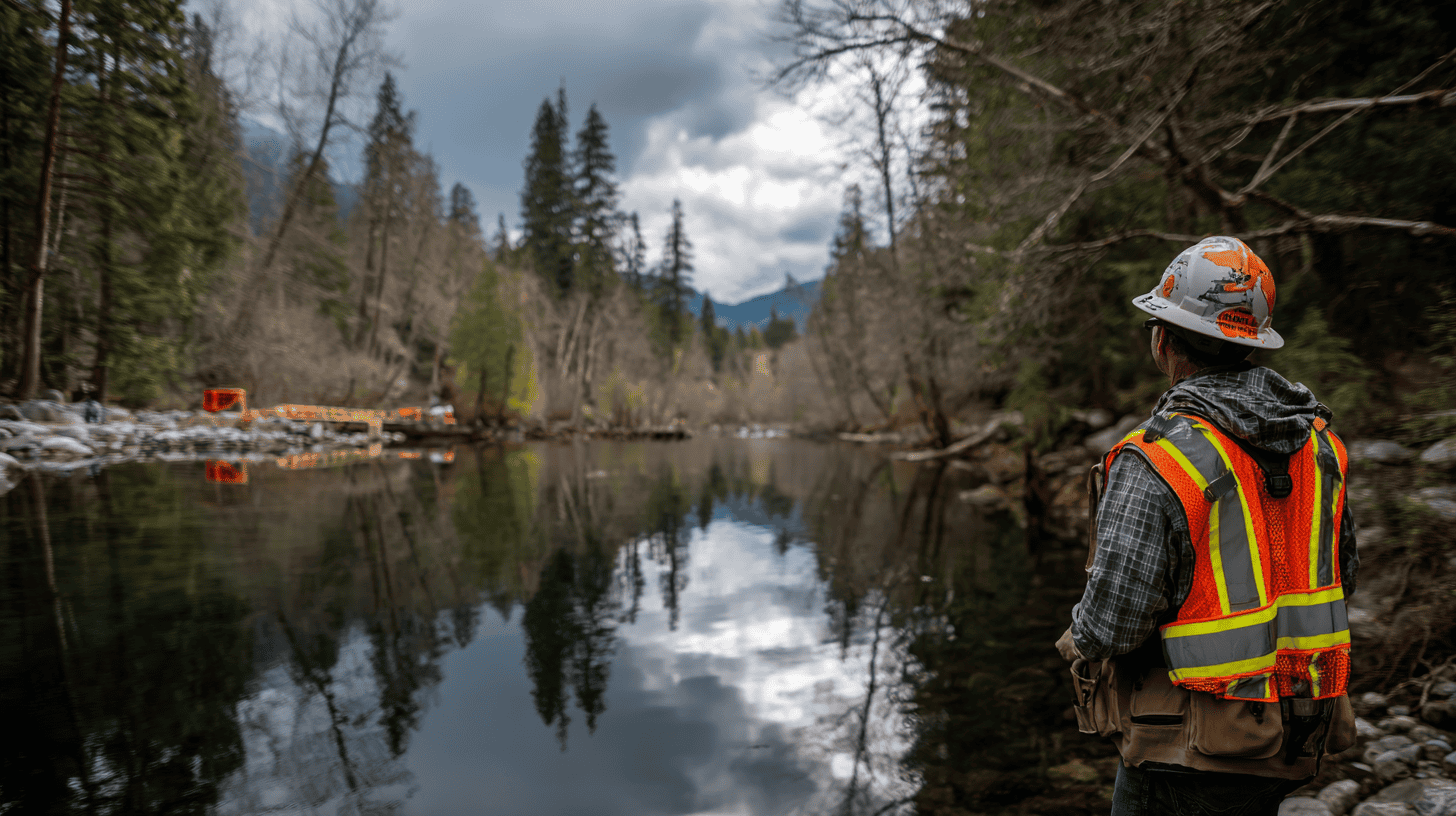
Cold water, slippery rocks, and current are the real hazards of panning. A little preparation keeps a fun day from turning into a bad one.
- Important Safety Precautions for Novice Prospectors
- Safety Tips for Novices
- Gold Panning Safety
- Seasonal Tips: Adapting to Weather Changes
- Best Seasons and Weather Conditions for Gold Panning
Know Before You Go: Laws & Permits
Where you can legally pan depends on your state and the land you are standing on. Check the rules before your first trip.
- Gold Panning Laws by State
- Gold Panning Permits
- Is It Legal to Pan for Gold in the United States?
- Can I Pan for Gold in My Backyard?
Frequently Asked Questions
Is gold panning hard to learn?
No. The basic motion takes most people an afternoon to get comfortable with. The skill that separates beginners from experienced panners is patience and reading where gold collects, both of which come quickly with practice.
What is the one tool a beginner really needs?
A good gold pan. A 14-inch plastic pan with riffles is inexpensive, forgiving, and does the core job. A classifier and a snuffer bottle come next, but you can start with just the pan.
Why can’t I find any gold?
The two most common reasons are location and speed. Either the spot holds little gold, or you are washing material too fast and carrying the fine gold out of the pan. Slow down, let the heavy material settle, and target proven areas first.
What does gold look like in the pan?
Real gold is bright, buttery yellow and stays that way in shadow. It is heavy and sits at the very bottom, in and around the black sand. Fool’s gold (pyrite) flashes and looks dull in shade, and it is much lighter.
Do I need a permit to pan for gold?
It depends on the state and the land. Many public areas allow recreational hand panning without a permit, but some require one and private land always needs permission. Check our laws by state and permits pages first.
Subscribe to Our Newsletter