
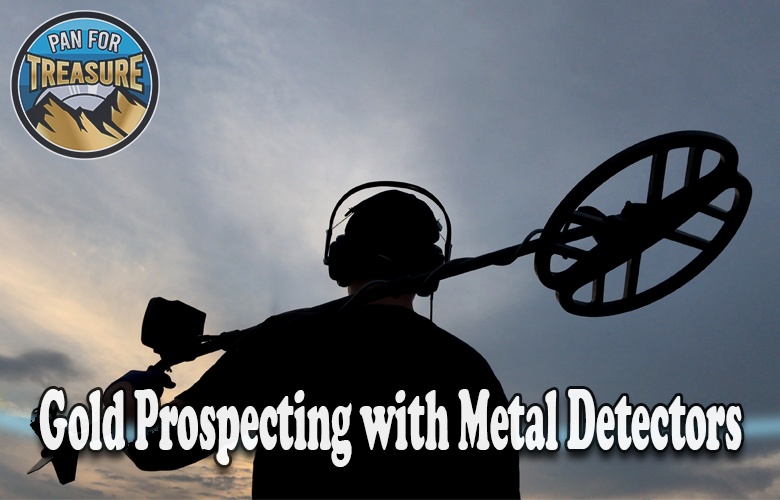
Gold prospecting with metal detectors represents one of the most exciting and efficient methods for finding gold nuggets and flakes in the modern treasure hunting world.
For avid gold prospectors, the precision and technology of today’s metal detectors offers the thrill of uncovering hidden treasures that traditional panning methods might miss.
This complete resource directory covers everything from choosing the right detector to mastering advanced techniques that will help you uncover the golden riches hidden beneath the earth’s surface.
TL;DR – Gold Prospecting with Metal Detectors
- Best detector types: VLF detectors for general use, PI detectors for highly mineralized ground
- Key features: High frequency (15kHz+), manual ground balance, small search coils for sensitivity
- Prime locations: Old mining areas, creek beds, desert washes, and known gold country
- Essential gear: Quality detector, pinpointer, proper digging tools, and safety equipment
- Legal requirements: Check land ownership, obtain permits where required, follow ARPA regulations
- Success factors: Practice, patience, proper technique, and understanding geology
- Bottom line: Metal detectors can find gold traditional panning misses, but success requires skill and knowledge
Complete Resource Directory for Gold Prospecting with Metal Detectors
Gold prospecting with metal detectors combines cutting-edge technology with traditional treasure hunting wisdom. Whether you’re a beginner looking to get started or an experienced prospector wanting to improve your success rate, these resources cover every aspect of detector-based gold hunting.











Why Metal Detectors for Gold Prospecting?
Precision and Efficiency
- Microscopic detection: Metal detectors can locate tiny gold nuggets and flakes that are invisible to the naked eye
- Time efficiency: Cover more ground in a day than weeks of traditional panning
- Depth capability: Find gold buried deeper than surface sampling can reach
- Non-destructive: Locate targets before digging, minimizing environmental impact
Versatility Across Terrains
- Desert prospecting: Excel in dry conditions where panning isn’t possible
- Forest environments: Work effectively in wooded areas with minimal water
- Rocky terrain: Function in areas where traditional methods are impractical
- Various soil types: Adapt to different mineralization levels and ground conditions
Accessibility for All Skill Levels
- Beginner-friendly: Modern detectors offer automated features for easy learning
- Professional capabilities: Advanced settings for experienced users
- Physical accessibility: Less physically demanding than digging and panning
- Year-round activity: Less weather-dependent than water-based prospecting
Choosing the Right Metal Detector for Gold
Detector Technology Types
VLF (Very Low Frequency) Detectors
- Best for: General gold prospecting in moderately mineralized ground
- Advantages: Good discrimination, lighter weight, lower cost
- Frequency range: 15-20kHz optimal for small gold
- Limitations: Struggle in heavily mineralized soils
PI (Pulse Induction) Detectors
- Best for: Highly mineralized ground and deeper targets
- Advantages: Excellent depth, handles mineralization well
- Disadvantages: Poor discrimination, heavier, more expensive
- Ideal conditions: Beach sand, volcanic soils, salt water areas
Multi-Frequency Detectors
- Best for: Versatile prospecting in various conditions
- Advantages: Combine benefits of different frequencies
- Technology: Simultaneous multiple frequency operation
- Investment: Higher cost but maximum versatility
Critical Features for Gold Detection
Frequency Considerations
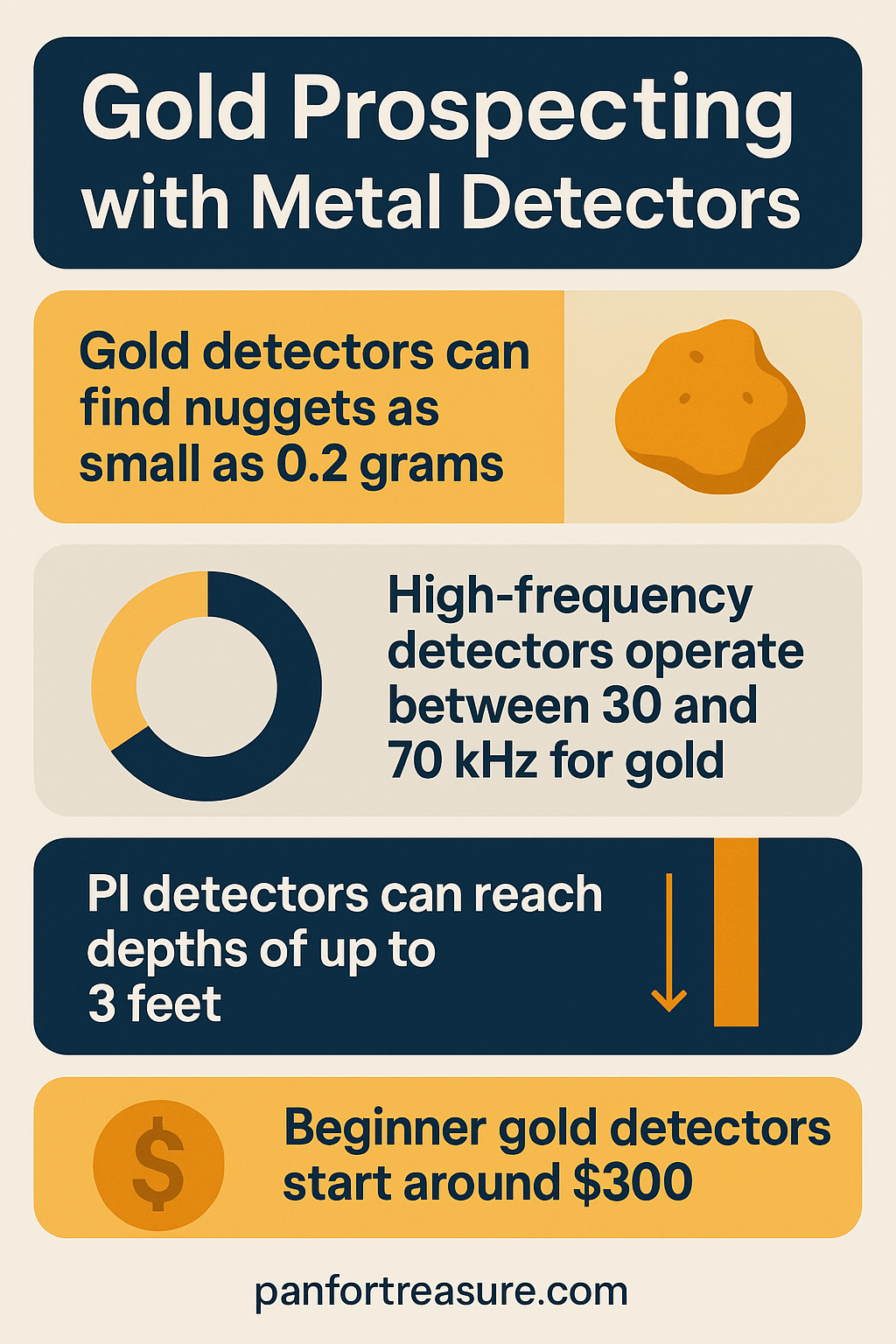
- High frequencies (15kHz+): Better sensitivity to small gold
- Lower frequencies (5-10kHz): Better depth on larger nuggets
- Adjustable frequency: Adapt to different conditions and targets
- Frequency shift: Reduce interference from other detectors
Ground Balancing Capabilities
- Manual ground balance: Essential for fine-tuning in mineralized soil
- Automatic ground balance: Convenient for beginners and changing conditions
- Ground tracking: Continuous adjustment for varying mineralization
- Ground grab: Quick setup for specific soil conditions
Search Coil Selection
- Small coils (6-8 inches): Better sensitivity to small gold, easier target separation
- Large coils (10-15 inches): Greater depth and ground coverage
- DD coils: Better performance in mineralized ground
- Concentric coils: Better target identification in clean ground
Essential Prospecting Techniques
Systematic Search Patterns
Grid Method
- Setup: Mark boundaries and create systematic search lanes
- Execution: Overlap sweeps by 25% to ensure complete coverage
- Benefits: Thorough coverage, easy progress tracking
- Best for: Large, open areas with good gold potential
Spiral Pattern
- Application: Work outward from a known find or promising area
- Technique: Gradually expand search radius in circular pattern
- Advantage: Effective for following gold trails or patches
- Limitation: Can be difficult to maintain consistent coverage
Random Walk Method
- Use case: Exploring new areas or following geological features
- Flexibility: Adapt search pattern to terrain and conditions
- Risk: May miss areas or duplicate coverage
- Best practice: Combine with GPS tracking for area management
Understanding Geological Hot Spots
Primary Gold Indicators
- Quartz veins: Follow exposed quartz formations and outcrops
- Contact zones: Areas where different rock types meet
- Iron staining: Rusty discoloration indicating mineral oxidation
- Black sand deposits: Heavy mineral concentrations often contain gold
Placer Gold Locations
- Creek bends: Inside curves where heavy materials settle
- Bedrock cracks: Natural gold traps in solid rock
- Boulder shadows: Areas downstream from large rocks
- Gravel bars: Elevated deposits in dry washes and streams
Desert Gold Hunting
- Dry washes: Ancient waterways that concentrated gold
- Hillside benches: Remnants of old river terraces
- Mining districts: Areas around historical mining operations
- Specimen patches: Locations where nuggets weather from host rock
Signal Interpretation and Target Identification
Audio Signal Analysis
Gold Signal Characteristics
- Clean, crisp tones: Gold typically produces clear, consistent signals
- Repeatable signals: Target responds consistently from multiple angles
- Strong low-high signals: Large nuggets give strong responses
- Subtle whispers: Fine gold may produce very faint signals
Discrimination Patterns
- Iron rejection: Eliminate most ferrous trash while preserving gold signals
- Foil and pull-tab rejection: Remove common aluminum trash
- All-metal mode: Maximum sensitivity for tiny gold pieces
- Notch discrimination: Filter specific trash while keeping desired targets
Visual Display Information
Target ID Numbers
- Gold range: Typically registers in specific numeric ranges
- Size correlation: Larger numbers often indicate bigger targets
- Consistency: Stable readings suggest solid metal targets
- Jumping numbers: May indicate trash, multiple targets, or deep finds
Depth Indicators
- Relative depth: Most detectors show approximate target depth
- Accuracy limitations: Depth readings affected by target size and soil conditions
- Signal strength: Stronger signals typically indicate shallower targets
- Ground mineralization: Heavy minerals can affect depth accuracy
Essential Accessories and Tools
Target Recovery Equipment
Pinpointers
- Purpose: Precisely locate targets in excavated holes
- Waterproof models: Essential for wet conditions and stream work
- Sensitivity adjustment: Fine-tune for different target sizes
- Audio and vibration: Multiple alert methods for various conditions
Digging Tools
- Prospecting picks: Break up hardpack and rocky soil
- Hand shovels: Move dirt efficiently and cleanly
- Sand scoops: Specialized tools for beach and desert detecting
- Crevice tools: Extract targets from tight spaces and rock cracks
Sample Processing Equipment
- Gold pans: Concentrate and separate gold from other materials
- Classifiers: Sort material by size before panning
- Magnifying equipment: Examine small targets and fine gold
- Collection containers: Secure storage for gold finds
Field Support Gear
Navigation and Documentation
- GPS units: Mark productive locations and navigate unfamiliar terrain
- Mapping software: Plan hunts and track search areas
- Field notebooks: Record conditions, settings, and finds
- Cameras: Document finds and successful techniques
Safety and Comfort Equipment
- Protective clothing: Long sleeves, pants, and sturdy boots
- Sun protection: Hats, sunscreen, and sunglasses
- First aid supplies: Basic medical kit for remote area work
- Communication devices: Cell phones or radios for emergency contact
Legal Considerations and Permissions
Land Access Rights
- Public land regulations: Understand BLM, Forest Service, and state rules
- Private property permission: Always obtain written consent from landowners
- Mining claims: Respect active claims and avoid trespassing
- Protected areas: National Parks and monuments prohibit metal detecting
For comprehensive legal guidance, see our detailed coverage in this comprehensive guide to metal detecting for gold which covers legal considerations, techniques, and best practices for beginners and experienced detectorists.
Environmental Responsibilities
- Leave no trace: Fill all holes and restore natural appearance
- Minimize impact: Use appropriate tools and techniques
- Wildlife respect: Avoid disturbing nesting areas and sensitive habitats
- Water quality: Prevent contamination of streams and water sources
Advanced Techniques and Strategies
Seasonal Considerations
Weather and Ground Conditions
- Wet ground advantages: Better conductivity can increase detection depth
- Dry conditions: Easier digging but potentially reduced sensitivity
- Temperature effects: Extreme heat or cold can affect detector performance
- Storm aftermath: New exposures and changed ground conditions
Seasonal Access
- Winter detecting: Reduced competition and different ground conditions
- Spring opportunities: Snowmelt exposes new areas and concentrates materials
- Summer challenges: Heat stress and increased competition
- Fall advantages: Pleasant conditions and post-summer exposure
Team Detecting Strategies
Group Coordination
- Area division: Systematic coverage with multiple detectors
- Skill sharing: Experienced members mentor beginners
- Equipment sharing: Access to specialized tools and detectors
- Safety benefits: Mutual support in remote or challenging areas
Competition and Etiquette
- Spacing protocols: Maintain appropriate distances to avoid interference
- Find sharing: Establish agreements about significant discoveries
- Location confidentiality: Respect productive area secrecy
- Equipment interference: Coordinate detector settings to minimize conflicts
Maintenance and Care
Detector Maintenance
- Regular cleaning: Remove dirt and debris after each use
- Coil protection: Use coil covers to prevent damage
- Battery management: Proper charging and storage procedures
- Software updates: Keep detector firmware current
Storage and Transport
- Protective cases: Hard cases for air travel and rough transport
- Climate control: Avoid extreme temperature and humidity
- Component organization: Systematic storage of accessories and parts
- Regular inspection: Check for wear and potential problems
Tips for Success
Practice and Skill Development
- Practice and patience: Like any skill, gold prospecting with metal detectors improves with practice and patience. Don’t be discouraged by initial setbacks
- Test garden training: Bury known targets to learn your detector’s responses
- Skill progression: Start with easier targets and gradually tackle challenging conditions
- Continuous learning: Stay current with new techniques and technology
Community and Knowledge Sharing
- Join a prospecting community: Consider joining a local prospecting club or online community to learn from experienced prospectors and share your own discoveries
- Mentorship opportunities: Learn from experienced detectorists
- Online resources: Participate in forums and social media groups
- Training events: Attend workshops and detector demonstrations
Environmental Stewardship
- Respect the environment: Always adhere to environmental regulations and ethical prospecting practices to preserve natural habitats and waterways
- Sustainable practices: Minimize long-term impact of detecting activities
- Education and advocacy: Promote responsible detecting in the community
- Conservation support: Support organizations that protect detecting access
Frequently Asked Questions
What type of metal detector is best for finding gold?
VLF detectors operating at 15kHz or higher are generally best for small gold, while PI detectors excel in heavily mineralized ground. Multi-frequency detectors offer the most versatility but at higher cost.
How deep can metal detectors find gold?
Detection depth depends on gold size, soil conditions, and detector type. Small flakes may only be detected at 2-4 inches, while large nuggets can be found 12+ inches deep under ideal conditions.
Do I need permission to use a metal detector for gold prospecting?
Yes, always verify land ownership and obtain required permissions. Public land may have specific regulations, and private land requires landowner consent. Some areas prohibit metal detecting entirely.
What’s the difference between gold prospecting and regular metal detecting?
Gold prospecting focuses specifically on natural gold deposits using specialized techniques and locations, while general metal detecting covers all metal targets including coins, jewelry, and relics in various environments.
How do I tell the difference between gold and other metals with a detector?
Gold produces consistent, clean signals and typically registers in specific target ID ranges. However, definitive identification requires physical examination, testing, or specialized gold-specific detectors.
What should I do if I find a large gold nugget?
Document the find with photos and GPS coordinates, verify land ownership and legal requirements, consider having it appraised by a qualified assayer, and follow any local reporting requirements.
Conclusion
Gold prospecting with metal detectors offers an exhilarating and rewarding experience that combines modern technology with age-old treasure hunting excitement.
Armed with the right knowledge, equipment, and techniques, you can embark on your treasure-hunting journey with confidence, knowing that you’re well-prepared to uncover hidden treasures and the glittering gold waiting beneath the surface.
Success in gold prospecting with metal detectors comes from understanding your equipment, reading the ground, respecting the law and environment, and maintaining the patience and persistence that all successful prospectors share. Whether you find fine gold dust or trophy nuggets, the adventure and connection to history make every outing worthwhile.
So, gear up, set out, and let your metal detector guide you to the thrill of discovering the precious gold that Mother Nature has hidden away for those with the patience and perseverance to seek it.
Sources and References
- United States Geological Survey – Gold and Mineral Resources
- Bureau of Land Management – Recreation and Mining Information
- U.S. Forest Service – Special Uses and Recreation Guidelines
- Environmental Protection Agency – Mining and Environmental Protection
- Gold Prospectors Association of America – Education and Resources
- Occupational Safety and Health Administration – Outdoor Work Safety
Information verified as of February 2026. Technology specifications and regulations subject to change.
Pins for Pinterest
If you like what you see, feel free to share some love on Pinterest ❤️
Subscribe to Our Newsletter