
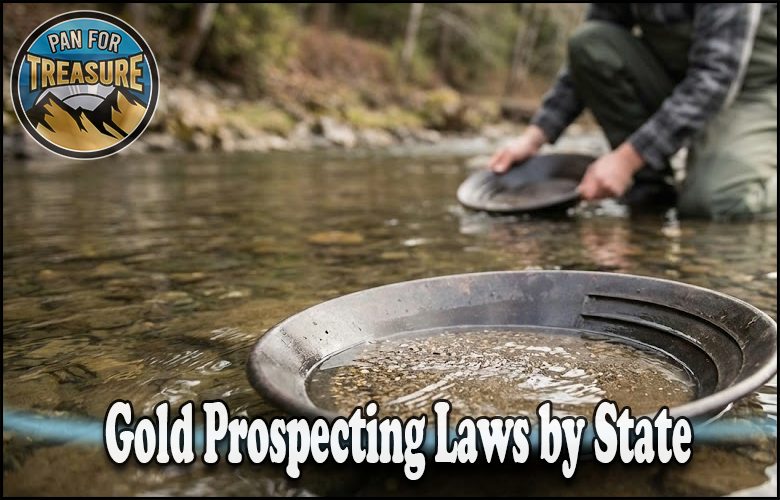
Recreational gold mining is a favorite pastime in the United States. Many people enjoy the hunt for valuable nuggets and flakes. But, it’s key to know the regulations to stay out of trouble.
The laws on gold prospecting vary across the United States. It’s important to learn the state-specific prospecting rules for anyone into recreational gold mining.
Key Takeaways
- Understand the regulations governing recreational gold mining in the United States.
- Familiarize yourself with state-specific prospecting rules.
- Learn about the legal framework regarding gold prospecting.
- Know the importance of understanding regulations for recreational gold mining.
- Avoid legal issues by following state-specific gold mining regulations.
Understanding Gold Prospecting Regulations in the United States
For those interested in gold prospecting, knowing the law is key. This activity has rules to protect the environment and keep people safe. It also lets people enjoy recreational mining.
The Legal Framework for Recreational Gold Mining
In the United States, laws for recreational gold mining come from both the federal and state governments. Federal laws set the basic rules. State laws then add specific rules based on local needs.
Federal vs. State Jurisdiction
Federal laws cover public lands managed by agencies like the Bureau of Land Management (BLM) and the U.S. Forest Service. State laws, on the other hand, apply to private and state-owned lands. Knowing this difference is important for legal gold prospecting.
Historical Context of Mining Laws
The history of mining laws in the U.S. goes back to the 19th century. The General Mining Law of 1872 was a big step. These laws have changed over time to protect the environment and public interests. They shape the rules we have today.
Federal Laws and Regulations for Gold Prospecting
Federal laws shape the gold prospecting scene in America. It’s key for anyone wanting to try recreational gold mining to know these rules.
General Mining Law of 1872
The General Mining Law of 1872 is a key law for mining on federal lands. It lets people claim public land for mining, but with rules and needs.
Bureau of Land Management (BLM) Regulations
The Bureau of Land Management (BLM) looks after public lands, where gold prospecting happens. The BLM has rules for prospecting and mining, including needing a permit.
U.S. Forest Service Requirements
The U.S. Forest Service also oversees lands for gold prospecting. Their rules are similar to the BLM’s but have specific needs for national forests.
Casual Use vs. Notice Level Operations
Knowing the difference between casual use and notice level operations is important. Casual use is low-impact and doesn’t need a permit. Notice level operations are bigger and need a permit.
| Agency | Regulations | Permit Requirements |
|---|---|---|
| Bureau of Land Management (BLM) | Manages public lands, regulates mining activities | Permit required for significant operations |
| U.S. Forest Service | Manages national forests, regulates mining within forests | Permit required, varies by forest |
| General Mining Law of 1872 | Governs mining claims on federal lands | Claim staking allowed, subject to regulations |
Western States Gold Prospecting Laws
The western states have been a gold prospectors’ dream for centuries. Each state has its own laws for gold prospecting. This section gives an overview of the rules in key western states, showing how different they are.
California Gold Prospecting Regulations
California is famous for its gold rush history. It has specific rules for gold prospecting. Prospectors need to know about suction dredging rules, which have changed over time.
Suction Dredging Restrictions
In California, suction dredging is closely watched because of environmental worries. Now, suction dredging needs a permit. There are also limits on dredge size and where you can dredge. For the latest info, check the California Department of Fish and Wildlife website.
Alaska’s Unique Mining Provisions
Alaska is a big place for gold prospecting, with fewer rules than other states. But, prospectors must follow state and federal laws. This includes protecting the environment and using the land right.
Colorado, Nevada, and Arizona Requirements
In Colorado, you need to know the General Mining Law and state-specific rules. Nevada has strict rules for claiming and keeping gold claims. Arizona focuses on protecting the environment and needing permits for some methods.
Oregon, Washington, and Idaho Guidelines
Oregon and Washington require permits for suction dredging and other methods. They also stress protecting the environment. Idaho has laws for claiming, recording, and keeping claims, along with environmental rules.
It’s key for prospectors to know these state rules to follow the law and protect the environment. Always check the latest state laws before you go prospecting.
Eastern States Gold Prospecting Laws
Gold prospecting laws differ from Georgia to Vermont in the eastern United States. Each state has its own rules, shaped by its geology and laws. It’s key to know these rules if you want to search for gold in this area.
Georgia and North Carolina Regulations
In Georgia, you need a permit to prospect for gold on state lands. The Georgia Department of Natural Resources gives out these permits. North Carolina also needs a permit for state lands, and there are rules about using motorized gear.
Virginia and South Carolina Requirements
Virginia is strict about gold prospecting, near historical sites. You must get permission from landowners to prospect on private land. In South Carolina, the South Carolina Department of Health and Environmental Control watches over water quality, including gold prospecting.
New York and Vermont Guidelines
New York has rules for gold prospecting in state parks and lands. Prospectors must follow guidelines to protect the environment. Vermont also protects its nature, and prospectors should check with local authorities before starting.
Other Eastern States with Gold Deposits
States like Pennsylvania, Maryland, and Tennessee also have gold and their own rules. For example, in Pennsylvania, you can pan for gold in some streams but need a permit for heavy gear. Here’s a quick look at some key rules in other states:
- Maryland: Needs permission for prospecting on state lands.
- Tennessee: Allows gold prospecting with some limits.
- Pennsylvania: Allows gold panning in certain spots.
Prospectors must research and follow each state’s laws. This helps protect the environment and keeps gold prospecting alive in the eastern United States.
Midwestern and Southern States Prospecting Regulations
Gold prospecting rules change a lot in the Midwestern and Southern United States. This is because of the different geology and laws in these areas. It’s important to know these rules if you want to go gold prospecting for fun.
Michigan, Wisconsin, and Minnesota Guidelines
In the Midwest, places like Michigan, Wisconsin, and Minnesota have their own rules. For example, in Michigan, you can pan and sluice in most streams without a permit. But, using mechanized equipment might need extra permissions.
Wisconsin lets you go gold prospecting, but you have to follow rules about water and nature. Minnesota is stricter, with rules for dredges and highbankers that might need permits.
Tennessee and Kentucky Regulations
Tennessee and Kentucky are famous for their gold. In Tennessee, you can prospect for gold in certain spots, but you might need a permit for some things. Kentucky also lets you prospect for gold, but you have to protect the environment.
Southern States with Gold Mining Potentials
States like Alabama, Arkansas, and North Carolina also have gold to find. In North Carolina, you can explore the Uwharrie River and other places. But, you have to follow the state’s rules about equipment and the environment. For beginners, this resource is helpful.
Important rules in these states include:
- Permit needs for mechanized gear
- Rules on dredging and highbanking
- Guidelines for protecting the environment
- Seasonal limits or closures in some areas
By knowing and following these state gold mining guidelines and regulations for recreational gold prospecting, you can enjoy your hobby. And you’ll help keep the environment safe.
Gold Prospecting Laws by State (Complete Guide)
Gold prospecting laws change a lot from state to state. It’s very important for prospectors to know the rules.
Understanding the laws for gold prospecting is complex. This guide helps by covering the main points you need to know.
State-by-State Permit Requirements
Each state has its own rules for gold prospecting permits. Some need permits for all types of prospecting. Others only need them for certain methods or places.
- California: Needs a permit for suction dredging. There are rules on dredge size and where you can dredge.
- Alaska: Has simple permits but you must follow environmental rules.
- Colorado: Requires a permit for suction dredging. There are rules for recreational gold mining too.
Seasonal Restrictions and Special Considerations
Many states have rules on when you can prospect for gold. These rules help protect the environment and keep people safe.
For example, some states ban dredging during certain times. This is to protect fish habitats. Knowing these rules is key for planning your prospecting trips.
Fee Structures Across Different States
The cost of gold prospecting permits varies a lot. Some states charge little, while others can be more expensive, even for commercial operations.
| State | Permit Fee | Additional Requirements |
|---|---|---|
| California | $100-$500 | Environmental impact assessment |
| Alaska | $50-$200 | Reclamation bonding |
| Colorado | $25-$100 | Permits for water use |
Online Resources for State-Specific Information
There are many online places to find information on gold prospecting laws. State government websites and prospecting groups are good sources.
Here are some places to check out:
- The Bureau of Land Management (BLM) website for info on public lands.
- State mining associations for guides on local laws.
- Environmental agency websites for environmental rules.
Regulations for Different Prospecting Methods
Gold prospecting uses many techniques, each with its own rules. It’s important for prospectors to know these rules to stay legal.
Panning Regulations
Panning is simple and often has fewer rules than other methods. But, prospectors must follow local laws, like those about water and the environment.
In many places, panning is okay in public waterways. But, always check for any special rules or permits needed.
Sluicing and Highbanking Rules
Sluicing and highbanking use water to find gold. These methods have stricter rules because of environmental worries.
- Some states need permits for these activities, mainly in sensitive areas.
- Rules on water use and discharge help keep water and habitats safe.
Dredging Restrictions
Dredging takes out a lot of sediment from rivers. It’s heavily regulated because of its big environmental impact.
Rules often include:
- Permits that might need environmental checks.
- Limits on where you can dredge, like protected spots.
- Rules on the size of dredges you can use.
Metal Detecting Guidelines
Metal detecting is also popular in gold prospecting. Each state has its own rules, based on public or private land.
Important things to remember are:
- Permits or permissions might be needed, more so on public lands.
- Where you can metal detect is limited, like historical sites.
By following these rules, prospectors can enjoy their hobby. They also help protect the environment and avoid legal trouble.
Public vs. Private Land: Legal Considerations
Knowing the difference between public and private land is key for gold prospectors. It helps them understand the legal rules they must follow. The type of land affects how legal prospecting activities are.
Prospecting on Public Lands
Public lands usually allow gold prospecting, but there are rules to follow. For example, the Bureau of Land Management (BLM) manages these lands. They have rules on how to prospect, the environmental impact, and claim staking.
Private Property Rights and Permission
On private land, you need the owner’s okay to prospect for gold. Getting their permission is a must. Breaking this rule can lead to serious legal trouble.
Mining Claims and Their Legal Status
Mining claims let prospectors legally mine minerals on public lands. Claimants get exclusive rights to mine the land.
Staking and Maintaining a Claim
To claim a piece of land, you must follow certain steps. You need to mark the boundaries and register it with the authorities. Keeping the claim active requires paying annual fees and using it for mining.
Environmental Regulations and Compliance
Gold prospecting must respect the environment. Many rules are in place to keep mining green. Prospectors need to follow these rules to keep their hobby legal and eco-friendly.
Water Quality Regulations
Water quality is a big worry in gold prospecting. Mining rules are strict to stop water pollution. Prospectors must follow these rules to protect water and life in it.
Protected Habitats and Species Considerations
Gold prospecting often happens near special places. Rules are set to keep these places and their creatures safe. Prospectors must know about these areas and how to avoid harming them.
Reclamation Requirements
After mining, the land must be fixed back to how it was. This means fixing the ground, planting trees, and making sure it’s safe. Reclaiming the land is key to following environmental rules in gold prospecting.
Penalties for Non-Compliance
Breaking environmental rules can lead to big fines and losing mining permits. It’s vital for prospectors to know and follow these rules to avoid trouble.
In summary, following environmental rules is essential for gold prospecting. By understanding and following these rules, prospectors can enjoy their hobby while protecting the planet.
Conclusion
Knowing the Gold Prospecting Laws by State is key for anyone into recreational gold mining. The rules for gold prospecting change a lot from state to state. It’s important to learn the laws and rules in the area you’re interested in.
In this guide, we’ve looked at the complex world of gold mining laws. We’ve talked about federal laws and state-specific rules. We’ve also covered the difference between public and private land, the rules for different prospecting methods, and the need to think about the environment.
By going over the main points of this guide, prospectors can make sure they follow the Gold mining regulations. This helps avoid legal problems. Whether you’re an experienced prospector or new to it, knowing the laws in your state is very important.
FAQ
What is the General Mining Law of 1872, and how does it affect gold prospecting?
The General Mining Law of 1872 lets people look for minerals like gold on public lands. It sets rules for claiming and mining minerals. These rules help protect the environment and ensure fair use.
What are the differences between casual use and notice level operations for gold prospecting on federal lands?
Casual use is low-impact and doesn’t need permission. Notice level operations, though, need to tell the government first. They might affect the environment more.
What are the regulations for suction dredging in California?
In California, suction dredging has rules to keep water and fish safe. You need a permit and can’t dredge during certain times.
Do I need a permit to prospect for gold on public lands?
It depends on where you are. Many places need you to tell them or get a permit. This is more true for using big machines or doing a lot of work.
Can I prospect for gold on private property?
No, you need the owner’s okay to look for gold on private land. The owner’s rights come first.
What are the environmental regulations that gold prospectors must comply with?
Prospectors must follow rules to protect water and wildlife. They also have to clean up after themselves and respect the land.
What is the process for staking a mining claim, and what are the associated costs?
To stake a claim, you record it and pay fees. You also have to keep up with it by filing every year.
Are there seasonal restrictions on gold prospecting in certain states?
Yes, some places close during fish breeding times or when the land is sensitive. This helps protect the environment.
How do I find online resources for state-specific gold prospecting information?
Look on state websites, BLM, and U.S. Forest Service sites. Also, check out prospecting groups online. They have info on local rules and permits.
What are the regulations for metal detecting on public lands?
Metal detecting rules vary. But, it’s usually okay for fun, with some limits. Always follow the local rules.
Can I use mechanized equipment for gold prospecting on public lands?
Using big machines like dredges needs a special permit. Some places might not let you use them at all.
This page focuses on state-specific rules, but you can also review our overview of gold prospecting laws and regulations to understand how local and federal rules work together.
Subscribe to Our Newsletter