
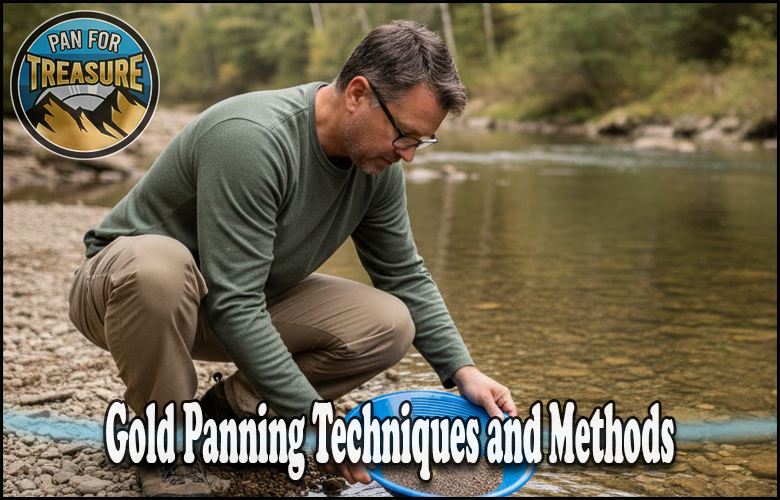
For centuries, prospectors have used gold panning to find hidden treasures. This method separates gold from sand and gravel in a shallow dish.
The art of gold panning needs patience, skill, and the right tools. Whether you’re new or experienced, knowing the basics is key to success.
With the right gold panning tips, you can increase your chances of finding gold. This guide covers everything from choosing the best spots to mastering the techniques.
Key Takeaways
- Understanding the history and basics of gold panning
- Essential equipment needed for gold panning
- Techniques for effective gold panning
- Best locations for gold panning in the United States
- Tips for improving your gold panning skills
The History and Science of Gold Panning
Gold panning has a long history, tied to human exploration and discovery. It has changed a lot over time, thanks to history and science.
Gold Rush History in America
The gold rush in America in the mid-1800s was a big deal. California’s gold rush of 1849 is the most famous. It changed America’s economy and culture.
During this time, many new ways to find gold were developed. Gold panning was one of them.
The Science Behind Gold Deposits
Gold deposits form deep in the Earth, under high pressure and heat. Knowing how they form helps in finding gold.
Gold is often found in quartz veins and alluvial deposits. These are places where gold particles gather in streams and rivers.
- Gold is dense and tends to settle in certain areas of water bodies.
- The process of erosion and sedimentation plays a key role in forming gold deposits.
Understanding Gold Properties in Water
Gold is very dense and doesn’t corrode easily. This makes it great for many uses. In water, gold acts in ways that prospectors can use.
Gold prospecting tools are made to use gold’s properties. They help separate gold from other sediments.
To pan for gold well, you need to know how gold acts in water. With the right tools and techniques, finding gold becomes easier.
Essential Gold Panning Equipment
Having the right gold panning equipment is key for both newbies and seasoned prospectors. The right tools make the experience better and boost your chances of finding gold.
Types of Gold Pans and Sizes
Gold pans are the basic tool in gold panning. They come in different materials and sizes, each with its own benefits.
Plastic vs. Metal Pans
Plastic pans are light and cheap, perfect for beginners. But they’re not as tough as metal pans. Metal pans, like steel or aluminum, are stronger and last longer. They’re heavier and need more care.
Choosing the Right Pan Size
Gold pans range from 10 to 17 inches in diameter. Bigger pans can handle more material but are heavier and harder to use, even for beginners. A 14-inch pan is a good middle ground.
Must-Have Gold Prospecting Tools
There are more tools needed for gold prospecting than just a gold pan.
Classifiers and Screens
Classifiers and screens help separate gold from dirt. They come in different mesh sizes for efficient sifting. Using a classifier can greatly reduce the material you need to pan.
Snuffer Bottles and Tweezers
Snuffer bottles are for collecting gold flakes and nuggets. Tweezers help pick up small gold pieces. These tools are vital for handling gold after finding it.
Gold Panning Supplies Checklist
It’s good to have a checklist of essential supplies. This includes a gold pan, classifier, snuffer bottle, tweezers, and gloves. Having the right gear prepares you for your gold panning adventure.
Gold Panning Techniques and Methods Guide
Gold panning is an art that needs patience, skill, and the right techniques. It’s great for both seasoned pros and beginners. Knowing the different methods can make your gold panning better.
The Basic Swirl and Wash Technique
The basic swirl and wash is the most basic method. It involves swirling the soil and water in the pan. This lets the gold settle at the bottom, while the rest is washed away.
To use this technique well, start by filling the gold pan about two-thirds full with your material. Then add water and swirl the mixture gently. As you swirl, tilt the pan slightly to wash away the sediment. Keep doing this until you’re left with a small amount of material at the bottom of the pan.
For more detailed instructions on how to pan for gold, you can visit this guide on Instructables.
The Drop and Tap Method
The drop and tap method is another effective technique. It involves dropping the material from a small height into the pan and then tapping the side of the pan. This helps the gold particles settle better.
To apply this method, hold the pan over a hard surface and gently drop the material into it. Then tap the side of the pan with your hand or a tool to help the gold settle.
Crevicing and Bedrock Techniques
Crevicing and bedrock techniques are advanced methods. They are used to trap gold in cracks and crevices of bedrock. Crevicing involves carefully examining the bedrock for cracks where gold can accumulate and using tools like a small brush or a pick to remove the gold.
Bedrock techniques require a deep understanding of how gold deposits form. They also need knowing how to identify gold-bearing areas. By exploring these areas carefully, prospectors can find a lot of gold.
Mastering these gold panning techniques can greatly improve your chances of finding gold. Whether you’re using the basic swirl and wash technique or more advanced methods like crevicing, the key to success is patience, practice, and persistence.
Gold Panning for Beginners
For those new to gold panning, understanding the basics is key. It’s a skill that needs technique, patience, and knowledge of the environment. As a beginner, it’s important to prepare well and know what to expect.
First-Timer Preparation Tips
Before starting, make sure you have the right gold panning supplies. You’ll need a good quality gold pan, a shovel, and a classifier. Also, dress for the outdoors with sturdy boots and layers for changing weather.
- Choose a gold pan that is durable and has riffles to catch gold.
- Select a shovel that is sturdy and suitable for digging in various terrains.
- A classifier helps in separating gravel and sand from possible gold.
Understanding Black Sand and Gold Indicators
Identifying gold presence is a key skill in gold panning. Black sand is often linked with gold, as both are heavy. But, not all black sand means gold, so knowing the area’s geology is important.
| Indicator | Description | Significance |
|---|---|---|
| Black Sand | Heavy, dark sand | Often associated with gold |
| Quartz | White or clear mineral | Can be a sign of gold-bearing ore |
| Garnet | Red or orange mineral | May indicate gold presence |
Setting Realistic Expectations
As a beginner, it’s important to have realistic expectations. Gold panning is a hobby that needs patience and persistence. You might not find gold right away, but with practice, you’ll get better.
Step-by-Step Gold Panning Process
To pan for gold, you need to know the steps. This includes picking a site, collecting materials, and using the right panning technique. Gold panning takes patience and the right tools, like gold prospecting tools.
Site Selection and Preparation
Finding the right spot is key for gold panning. Look for places with gold history, like streams and rivers. Make sure you have permission to pan there. Clean the area and learn about the local geology before you start.
Material Collection and Classification
Collect gravel, sand, and soil from your chosen spot. Focus on areas where gold might be, like bends or behind boulders. Use a gold prospecting tool like a classifier to sort the material by size.
The Complete Panning Sequence
The panning process has several steps to find gold.
Initial Washing and Stratification
Fill the gold pan with material and soak it in water. Shake and swirl it to let gold settle at the bottom. This is called stratification.
Reducing Material and Final Recovery
Wash away the top sediment by swirling and shaking. Keep doing this until you have just a little left. This should be black sand and maybe gold. Look closely for gold flakes or nuggets in this remaining material.
By following these steps and using the right gold prospecting tools, beginners can find gold. Remember, getting good at it takes time. Learning how to pan for gold is a skill that grows with practice.
Best Gold Panning Locations
Gold panning is exciting, from Alaska’s rugged streams to California’s historic rivers. The U.S. has many gold-bearing waterways. Knowing where to look is key for a great adventure.
Reading River Geology for Gold
To find great spots for gold panning, study the river’s geology. Look for slow spots like bends and areas behind boulders. These places often have more gold.
Also, watch for black sand and minerals like quartz or pyrite. They hint at gold nearby.
Top Gold Panning Destinations in the United States
The U.S. has many famous places for gold panning. Here are some top spots:
Western States (California, Colorado, Alaska)
- California: The American and Feather Rivers are known for their gold history.
- Colorado: The Arkansas River Valley is rich in gold.
- Alaska: The Kenai Peninsula and Fortymile River are great for gold panning.
Eastern and Southern Opportunities
- North Carolina: The Uwharrie River and Reed’s Creek are favorites.
- Georgia: The Chattahoochee River and its tributaries have gold.
Public Access Areas vs. Private Claims
It’s important to know the difference between public and private areas. Public spots are open to all, but private ones need permission. Always check the land’s status before you go. For more tips, visit gold panning resources.
Advanced Gold Recovery Methods
To get more gold, experienced prospectors use advanced techniques. These methods make gold prospecting more efficient and effective.
Using Sluice Boxes with Panning
One advanced technique is using sluice boxes with traditional gold panning. Sluice boxes help process more material, increasing gold chances. This combo captures both big nuggets and small gold particles.
For more on advanced gold panning, including water-saving tips, check Farmonaut’s guide on advanced gold panning.
Gold Classification Systems
Knowing gold classification systems is key for effective recovery. These systems help identify gold types, like coarse, fine, or flakes. By classifying gold right, prospectors can pick the best recovery methods, boosting gold yield.
| Gold Type | Characteristics | Best Recovery Method |
|---|---|---|
| Coarse Gold | Large nuggets or particles | Sluice Boxes, Panning |
| Fine Gold | Small, often flaky particles | Panning, Sluicing with riffles |
| Gold Flakes | Very thin, flat gold particles | Careful Panning, Mercury Amalgamation |
Combining Methods for Maximum Yield
Using different techniques can greatly improve gold recovery. For example, combining sluice boxes with panning lets prospectors process more and catch various gold sizes. This mix of gold panning tips and tools boosts gold finding chances.
Good gold prospecting mixes old knowledge with new gold prospecting tools. Keeping up with the latest methods and tools helps prospectors find more gold and have a better experience.
Legal and Environmental Considerations
Gold panning is becoming more popular, and it’s key to know the legal and environmental sides. Prospecting for gold means following a lot of rules to keep it legal and green.
Understanding Claim Rights and Permissions
Before you start panning for gold, you need to know the legal side. You must get the right permissions and understand claim rights. These can change a lot based on where you are. Always research local laws and regulations to stay out of trouble.
Environmental Impact and Responsible Panning
Gold panning can be kind to the environment if done right. It’s important to follow the best practices. This means not harming natural places and keeping the water clean. Responsible panning also means staying away from sensitive areas.
State-Specific Regulations
Gold panning rules differ from state to state. Some places have stricter rules than others. For example, some states need permits or have special rules for where and how you can pan. Check with local authorities to know what’s needed in your area.
Conclusion
Gold panning is a fun hobby that needs patience, the right tools, and knowledge. It’s about understanding gold panning basics and using the right equipment. People can explore rivers, enjoy nature, and maybe find hidden treasures.
Good gold panning mixes the right tools, techniques, and practices. Choosing the right pans and tools is key. Knowing about gold deposits and using effective methods is also important.
Learning gold panning techniques can make your experience better. It’s fun, educational, or adventurous. Whether you’re new or experienced, gold panning lets you connect with nature and maybe find gold.
FAQ
What is the best gold pan size for a beginner?
Beginners should use a gold pan that’s 14 to 17 inches wide. This size is easy to use and good for finding gold.
What are the essential tools for gold prospecting?
You’ll need a gold pan, classifier, snuffer bottle, tweezers, and a small vial for gold. These tools are key for finding gold.
How do I identify a good spot for gold panning?
Look for old gold mining sites and areas with black sand and quartz. These signs often mean gold is present.
What is the basic swirl and wash technique in gold panning?
Start by swirling the dirt and water in the pan. This separates the gold. Then, wash away the dirt to reveal the gold.
How do I understand the signs of gold presence, such as black sand?
Black sand often means gold is nearby. But, it’s not a sure sign. You need to pan more to find gold.
What are the legal considerations for gold panning?
Know the rules and permissions before you pan. This ensures you’re in the right place and following the law.
How can I maximize my gold yield?
Try different methods like using a sluice box and panning. Also, learn about gold classification to get more gold.
What are the environmental considerations for gold panning?
Panning can harm the environment. To help, pan responsibly, follow rules, and leave a small footprint.
What are the best gold panning destinations in the United States?
Top spots include California, Alaska, and North Carolina. These places have a rich gold mining history and offer places to pan.
What are the benefits of using a classifier in gold panning?
A classifier sorts gravel and soil by size. This makes panning easier and boosts your chance of finding gold.
This guide builds on the concepts covered in our mastering gold prospecting techniques hub, where you’ll find additional tips and practical advice.
Subscribe to Our Newsletter