
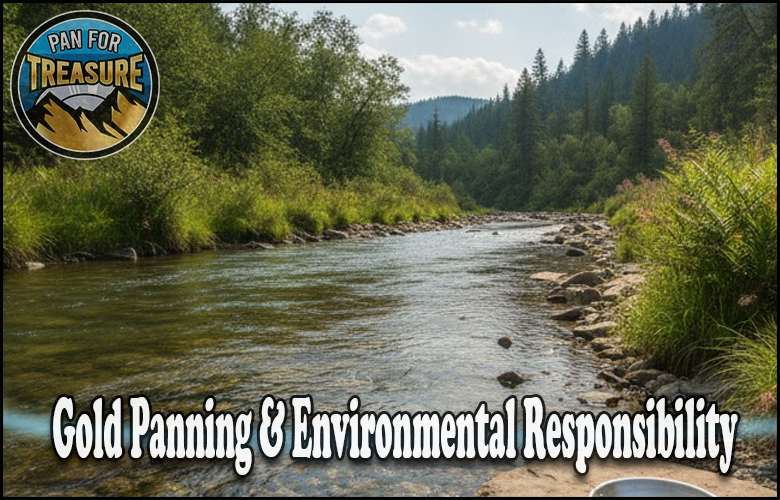
Gold prospecting is a traditional method. It involves separating precious deposits from sand and gravel in rivers or streams. A shallow dish is used for this. This hobby needs careful attention to safety precautions and environmental guidelines to avoid accidents and protect nature.
To enjoy gold prospecting while preserving nature, it’s key to know the necessary safety equipment and environmental best practices. This guide offers a detailed look at how to do gold prospecting responsibly.
Key Takeaways
- Understand the importance of safety equipment for gold prospecting.
- Learn how to assess location safety before starting.
- Discover safe techniques for gold prospecting.
- Explore environmental best practices for minimizing ecological impact.
- Recognize the role of responsibility in gold prospecting.
The Fundamentals of Responsible Gold Panning
Gold panning has been around for centuries. It’s a way to find gold by swirling water and sediment in a pan. This method is simple yet effective.
What is Gold Panning and How It Works
Gold panning is based on gold’s density. You mix soil and water in a pan and swirl it. The gold settles at the bottom, making it easy to collect.
This method needs patience and care. You must swirl gently to keep the gold from getting lost.
Historical Context and Modern Applications
Gold panning has a long history, dating back to ancient times. It was used to find gold in streams and rivers. Today, it’s enjoyed by many, both as a hobby and a way to find gold.
Now, gold panning is done in an eco-friendly way. This means following sustainable gold panning guidelines to protect the environment.
The Dual Importance of Safety and Environmental Stewardship
Responsible gold panning balances finding gold with protecting the environment and the prospector. It’s important to wear the right gear and know your surroundings for safety.
For environmental care, it’s key to disturb nature as little as possible. Follow local rules and use eco-friendly gold panning practices. This helps keep the places we explore beautiful and intact.
Essential Safety Equipment for Gold Prospectors
Gold prospectors need the right gear and knowledge to stay safe. They often work in remote, tough places. This makes safety equipment key to avoiding injuries and having a good time.
Personal Protective Equipment (PPE)
PPE is the first defense against dangers in gold prospecting. It includes:
Appropriate Footwear and Clothing
- Sturdy, waterproof boots with good grip for wet and rocky areas
- Comfortable, durable clothes that keep out the elements
Eye and Hand Protection
- Protective eyewear, like goggles, to keep eyes safe from debris
- Gloves to protect hands from sharp rocks, cold water, and other dangers
First Aid Kits and Emergency Supplies
A good first aid kit is key for treating small injuries and preventing big ones. It should have items for wound care, pain relief, and any personal medical needs.
Weather Protection Gear
Gold prospectors spend a lot of time outside. So, weather protection gear is very important. This includes:
- Sunscreen and hats to protect from the sun
- Rain gear, like ponchos or waterproof jackets, to stay dry
Communication and Navigation Tools
Communication devices, like cell phones or two-way radios, are vital. They help stay in touch with others and call for help when needed. Navigation tools, like maps, compasses, and GPS devices, help find the way and get back.
Investing in the right safety gear makes gold prospecting safer and more enjoyable. It keeps prospectors safe and helps protect the environment too.
Location Safety Assessment for Gold Panning
Checking the safety of your gold panning spot is key to a fun and safe trip. You need to look at a few important things. These can make your adventure safer and more successful.
Evaluating Water Conditions and Currents
It’s important to check the water and currents at your spot. Fast-moving water can be dangerous, so be careful. Make sure the water is not too deep or moving too fast.
Look for signs of strong currents, like swirling water or things being swept away. If you’re panning in a river or stream, watch out for flash flooding. It can happen suddenly and without warning.
Terrain and Geological Hazards
The area around your spot can also be risky. Watch out for steep slopes, loose rocks, and other dangers. Make sure you have good footing and wear the right shoes to avoid slipping.
For more tips on finding safe spots, check out guides on gold panning in different places.
Wildlife Awareness and Precautions
Gold panning happens in nature, where animals live. Know about the local wildlife and take care. Avoid areas with dangerous animals, don’t leave trash, and stay alert.
Weather Monitoring and Emergency Planning
The weather can change your gold panning trip. Keep an eye on the forecast and be ready for sudden changes.
Flash Flood Awareness
Flash flooding is a big weather risk. Know the signs and have a plan to leave quickly if needed.
Lightning Safety
Lightning is a big deal in stormy areas. Stay away from water during storms and find shelter fast if you hear thunder or see lightning.
By looking at these factors, you can make your gold panning trip safer and more fun. Always put your safety and the safety of others first.
Safe Gold Panning Techniques and Procedures
To enjoy gold panning safely, it’s important to use the right techniques. These practices not only keep you safe but also help protect the environment. This is part of gold prospecting environmental stewardship.
Proper Body Mechanics to Prevent Injury
Proper body mechanics are key when gold panning. Bending at the knees, not the waist, helps avoid back strain. Taking breaks also helps prevent accidents caused by tiredness.
Water Safety Protocols for Stream Panning
When panning in streams, knowing the water is important. Be careful of slippery rocks and understand the currents. Also, avoid panning in flooded areas for your safety.
Tool Handling and Equipment Safety
Handling tools and equipment safely is vital. Make sure all gear is in good shape and used correctly. Regularly check your equipment for any damage or wear.
Buddy System and Group Panning Practices
Panning with a buddy or group makes it safer and more fun. Having someone nearby can be a lifesaver in emergencies. Group panning also means sharing knowledge and best practices, improving safety and care for the environment.
By following these safe gold panning methods, you can enjoy your hobby while protecting yourself and the environment. It’s a way to make sure gold prospecting can continue sustainably.
Gold Panning Safety and Environmental Responsibility Guide: Core Principles
Gold panning is a fun hobby that needs safety and care for the environment. As more people start gold panning, it’s key to know how to do it right. This way, we can enjoy the hobby and protect nature at the same time.
The Ethics of Responsible Prospecting
Gold panning should be done with respect for nature and ethics. It means respecting where you pan, following rules, and not harming habitats. Eco-friendly gold panning practices help keep the hobby alive for others in the future.
Balancing Gold Recovery with Conservation
Finding gold and protecting nature are both important. We should use methods and tools that don’t harm the environment. For example, using a special gold pan can help a lot. Sustainable gold panning guidelines tell us to leave the area as we found it or even better.
Long-term Sustainability Approaches
For gold panning to last, we need to think about the future. This means using water wisely, not disturbing the soil too much, and avoiding harmful chemicals. These steps help us leave a smaller mark on the environment.
| Sustainability Approach | Benefits |
|---|---|
| Water Reuse | Conserves water resources, reduces waste |
| Minimal Soil Disturbance | Preserves habitats, reduces erosion |
| Chemical-Free Panning | Protects water quality, safeguards wildlife |
Teaching and Modeling Best Practices
Teaching and showing others how to pan safely and responsibly is important. Experienced panners should share their knowledge. They should talk about eco-friendly practices and show how to use them.
By following these principles, we can enjoy gold panning while helping the environment. It’s a team effort that needs dedication, learning, and a desire to be sustainable.
Environmental Impact Assessment of Gold Panning Activities
Gold panning is growing in popularity, but we must understand its environmental effects. It can harm not just the immediate area but also wider ecosystems.
Water Quality and Aquatic Ecosystem Effects
Gold panning can pollute water through sediment and chemicals. Responsible gold panning techniques help keep riverbeds and banks intact. This prevents sediment from harming aquatic life.
Soil Erosion and Sedimentation Concerns
Gold panning can cause soil erosion if the terrain is disturbed. It’s important to stabilize soil and prevent erosion for environmental protection in gold panning.
Riparian Habitat Disruption
Gold panning often happens in riparian zones, which are vital for many species. These areas are sensitive and need protection. It’s key to use practices that reduce habitat disruption.
Potential Chemical and Mercury Contamination
Mercury was once used in gold extraction, posing health and environmental risks. Modern gold panning avoids mercury, but knowing this history is important. It helps promote responsible gold panning techniques.
In summary, it’s vital to understand and reduce gold panning’s environmental impacts. By using responsible gold panning techniques and focusing on environmental protection, enthusiasts can help keep our waterways healthy and beautiful.
Eco-Friendly Gold Panning Methods
Gold panning is becoming more popular, and it’s important to do it in a way that doesn’t harm the environment. Eco-friendly gold panning methods help protect nature and reduce the impact of this fun activity. By using sustainable practices, gold panners can enjoy their hobby while caring for the planet.
Low-Impact Techniques and Approaches
Using methods that don’t harm the environment is key. Choosing between hand tools and mechanical methods is a big part of this.
Hand Tools vs. Mechanical Methods
Hand tools are better for the environment than mechanical equipment. They are quieter, cause less disturbance, and don’t need fuel. For example, a traditional gold pan is a great choice for small-scale panning because it’s eco-friendly.
Streambed Preservation Techniques
Keeping the streambed healthy is important for aquatic life. Avoid digging too much and restore the streambed after panning. This helps protect habitats for fish and other creatures.
Proper Waste Management in Remote Areas
Managing waste properly is very important in remote areas where gold panning happens. Dispose of waste correctly, take all trash with you, and leave the area as you found it. These steps help keep these areas beautiful and intact.
Site Restoration and Reclamation Practices
Restoring the site after gold panning is essential. This means replanting plants, fixing water flows, and making sure the area is safe for others. Good site restoration helps the ecosystem and keeps biodiversity strong.
Sustainable Equipment Selection and Maintenance
Choosing and maintaining sustainable equipment is important. Using equipment made from sustainable materials and keeping it in good shape reduces waste. For more on sustainable gold extraction, check out Farmonaut’s guide.
| Eco-Friendly Practice | Environmental Benefit |
|---|---|
| Using hand tools | Reduces noise and disturbance |
| Streambed preservation | Maintains aquatic habitats |
| Proper waste management | Keeps remote areas clean and safe |
| Site restoration | Rejuvenates ecosystems and maintains biodiversity |
| Sustainable equipment selection | Reduces waste and environmental footprint |
Legal Framework and Regulatory Compliance
Gold panning is growing in popularity, but it’s vital to follow the law. There are many federal, state, and local rules. These rules protect the environment and keep everyone safe.
Federal Laws Governing Recreational Mining
Federal laws are key in managing gold panning. Two main agencies oversee these activities:
Bureau of Land Management Regulations
The Bureau of Land Management (BLM) oversees public lands for gold panning. You need permits and must follow rules to protect the environment.
Forest Service Requirements
The U.S. Forest Service (USFS) also has rules for gold panning in national forests. You must follow USFS rules, which might limit your equipment and camping.
State-Specific Regulations Across America
State rules differ a lot, with some being stricter than others. For example, California needs a Stream Alteration Agreement for some activities. Alaska has rules for suction dredges.
| State | Regulatory Body | Key Regulations |
|---|---|---|
| California | California Department of Fish and Wildlife | Stream Alteration Agreement required |
| Alaska | Alaska Department of Natural Resources | Suction dredge permits required |
| Colorado | Colorado Division of Reclamation, Mining and Safety | In-stream mining regulations apply |
Required Permits and Claim Considerations
Before you start, you need the right permits and know about claim staking. This means filing claims and paying fees to the right agency.
Reporting Requirements and Documentation
Gold prospectors must report their findings and any environmental effects. Keeping detailed records is important for following the law and for audits.
By following these laws and rules, gold panning can be both fun and responsible. It helps protect the environment and ensures safety for all.
Conclusion: Becoming a Responsible Gold Panner
To be a responsible gold panner, you need to follow safety rules, protect the environment, and obey laws. By choosing eco-friendly gold panning practices, you can reduce harm to nature and stay safe.
It’s key to follow sustainable gold panning guidelines. This means using the right tools, caring for wildlife, and following local rules.
By being responsible, we help keep gold panning fun for everyone. You’ll protect nature and keep this hobby alive for others to enjoy.
FAQ
What are the most essential safety equipment for gold prospectors?
Gold prospectors need personal protective equipment (PPE) like gloves, safety glasses, and sturdy shoes. They also need first aid kits, gear to protect from the weather, and tools for communication and navigation.
How can I assess the safety of a gold panning location?
Check the water’s conditions and currents at a gold panning spot. Look out for terrain and geological hazards. Be cautious of wildlife and watch the weather to plan for emergencies.
What are some safe gold panning techniques to prevent injury?
Use safe body mechanics to avoid injury. Follow water safety rules when panning in streams. Handle tools and equipment carefully. Always pan with a buddy or in a group.
What are the environmental impacts of gold panning activities?
Gold panning can harm water quality and ecosystems. It can cause soil erosion and disrupt habitats. There’s also a risk of chemical or mercury contamination.
How can I adopt eco-friendly gold panning methods?
Use hand tools instead of machines for low-impact panning. Preserve streambeds and manage waste properly. Restore sites after use and choose sustainable equipment.
What are the regulations governing gold panning activities?
Gold panning has federal and state rules to follow. It’s important for legal and responsible mining. Know the laws, get permits, and follow reporting and documentation rules.
Why is environmental stewardship important in gold panning?
Environmental stewardship is key to reduce ecological harm. It helps preserve habitats and ensures gold panning’s long-term sustainability. It promotes responsible prospecting.
How can I balance gold recovery with environmental conservation?
Use sustainable methods and eco-friendly techniques for gold recovery. Follow best practices to minimize environmental harm. Be aware of the long-term effects of gold panning.
For broader safety considerations and legal responsibilities, see our gold panning safety and regulations hub.
Subscribe to Our Newsletter